 English
 中文简体
中文简体You pulled a wooden spoon out of the drawer the other day and noticed it had gone dull, pale, and rough to the touch. Your first instinct, understandably, was to oil it. And if you reached for the olive oil bottle sitting on your kitchen counter, you would not be alone. Search any cooking forum and you will find hundreds of home cooks asking the same question: can you use olive oil on wood utensils?
The honest answer is more complicated than a simple yes or no. Olive oil is not toxic, and it will temporarily improve the look and feel of dry wood. But over time, olive oil can create bigger problems than the dryness you were trying to fix. This guide explains exactly what happens when olive oil meets wood, which conditioning oils are genuinely safe and effective, and how to build a simple maintenance routine that keeps wooden utensils—whether they are heirloom-quality carved spoons or everyday commercial birch tools—performing and looking their best for years.
Yes, You Can Use Olive Oil, But Understand the Trade-Off
Let us start with a clear conclusion. Olive oil is safe to use on wooden utensils in the sense that it is food-safe and will not introduce anything harmful into your kitchen. It conditions the wood visually, gives the surface a richer tone, and repels water for a short period. If you already oiled a wooden spoon with olive oil and now feel worried, there is no reason to panic. Wash it with warm soapy water, dry it thoroughly, and choose a better conditioner next time.
The problem is that olive oil performs poorly as a long-term wood conditioner. Three specific issues make it a weak choice: it turns rancid, it forms a sticky polymer layer, and it does not penetrate deeply enough into wood fibers to provide lasting protection.
Quick Answer at a Glance
Can you use olive oil on wooden utensils? Yes, it is food-safe and will not make your utensils harmful. However, olive oil oxidizes and turns rancid within weeks to months, leaving a stale smell and sticky feel. For everyday conditioning, a food-grade mineral oil or a wood-specific conditioning paste is safer, more durable, and easier to maintain.
Why Rancidity Is the Main Concern
Olive oil contains a high proportion of unsaturated fatty acids, especially oleic acid and linoleic acid. When these fats are exposed to oxygen, light, and heat, they oxidize. This is the same chemical process that makes an open bottle of olive oil taste stale after sitting on the shelf for too long. On a wooden utensil, the oil is spread in a thin film across a large surface area, which accelerates oxidation. Within a few weeks to a few months, the oil develops a waxy, stale, or paint-like odor. That rancid film can transfer to food the next time you use the spoon or spatula.
Rancid oil is not considered acutely toxic, but it produces free radicals and off-flavors that no one wants in their food. More importantly for the utensil itself, the oxidized oil forms a hard, sticky layer that traps crumbs, dust, and bacteria, making the surface harder to clean and more unpleasant to use.
Polymerization Leaves a Gummy Residue
As olive oil oxidizes, it undergoes a process known as polymerization. The unsaturated carbon bonds in the fatty acid chains react with oxygen and link together, forming longer molecules that behave like a soft resin. This is the same principle behind oil-based finishes used on furniture, and it is precisely why woodworkers do not use cooking oils for finishing cutting boards and utensils. On a wooden spoon, polymerization manifests as a tacky, gummy film that does not wash off easily. It attracts dust and food debris, and once it forms, you often need to sand the surface to remove it.
Shallow Penetration Means Weak Protection
Olive oil molecules are relatively large triglycerides. They sit mostly on the surface of the wood rather than soaking deep into the cellular structure. A good wood conditioner needs to penetrate into the tiny capillaries of the wood to displace water and create a barrier from the inside. Olive oil mostly forms a surface layer, which means that water can still wick into the wood from the sides and underneath. This shallow absorption is why olive oil appears to refresh the wood color instantly—it is coating the surface rather than conditioning the structure.
What Happens Inside the Wood When You Apply Oil
To understand why the choice of oil matters, it helps to know how wood is structured. Wood is made up of long cellulose fibers held together by lignin, with microscopic pores, pits, and capillaries running through the grain. This network of tiny channels acts like a sponge. When the spoon is new, these channels are filled with moisture and natural resin. Over time, washing with soap and hot water strips away the natural oils, and the wood begins to dry from the outside in. The surface becomes lighter in color, the grain rises, and tiny cracks begin to form.
Oiling works by refilling those microscopic channels with a water-repellent substance. The oil slows the movement of moisture into and out of the wood, reducing the stress that causes warping, cracking, and splitting. But not all oils do this equally well. The size of the oil molecules, their viscosity, and their chemical stability all affect how deeply they penetrate and how long they stay effective.
The chart above shows approximate times before noticeable rancidity develops in a thin oil film on wood. Mineral oil is a saturated hydrocarbon that does not oxidize, so it remains stable for many years. Coconut oil and other saturated plant fats are more stable than olive oil but can still go rancid over about a year. Polyunsaturated oils like walnut, olive, and flaxseed oxidize much faster, especially in a thin layer spread across a wooden surface.
Another factor to keep in mind is the surface-to-oil ratio. When you apply oil to a wooden spoon, you are spreading it extremely thin. This maximizes the oil's exposure to oxygen and accelerates oxidation. Even a relatively stable oil will turn rancid faster on a wooden spoon than it would in a sealed bottle. This is why choosing an oil that is naturally resistant to oxidation matters so much for long-term wood care.
Choosing the Right Oil for Your Wooden Utensils
Now that the science is clear, the practical question is: which oil should you actually use? The table below compares the most common options for conditioning wooden kitchen tools, based on food safety, oxidation stability, penetration, and ease of upkeep.
| Oil | Food Safe | Rancidity Risk | Penetration | Smell and Taste | Best Use |
|---|---|---|---|---|---|
| Food-grade mineral oil | Yes | Very low | Deep | None | Everyday wooden utensils and cutting boards |
| Fractionated coconut oil | Yes | Low | Moderate | Slight coconut | Cutting boards and spoons, pleasant scent |
| Walnut oil | Yes | Medium | Moderate | Nutty, can turn stale | Wooden bowls, check freshness regularly |
| Olive oil | Yes | High | Shallow | Olive scent, becomes rancid | Emergency use only, not for regular care |
| Flaxseed oil | Yes | High | Deep | Strong, drying scent | Not recommended for food-contact tools |
| Mineral oil and beeswax paste | Yes | Very low | Deep plus surface seal | Neutral | Premium conditioning and long-term protection |
Food-Grade Mineral Oil: The Dependable Standard
Food-grade mineral oil is the most widely recommended conditioner for wooden kitchen tools. It is colorless, odorless, and tasteless, and it does not oxidize or polymerize. Because it is a saturated hydrocarbon, it simply stays put in the wood, keeping water out without forming sticky residues. Food-grade mineral oil is available at most drugstores and kitchen supply shops, and it is inexpensive. Its only downside is that it does not dry or harden, so it needs to be reapplied earlier than a wax-based coating, but for most people this is not a meaningful drawback.
The Role of Beeswax in a Conditioning Paste
Many woodworkers recommend combining mineral oil with beeswax to create a conditioning paste. The oil penetrates into the wood, while the beeswax forms a light surface barrier that repels water and gives the wood a smooth, satin finish. You can buy a ready-made board cream or make your own by melting one part beeswax and mixing it into four parts warm mineral oil. Apply the paste with a soft cloth, let it sit for an hour, then buff off the excess. This is the closest thing to a professional finish for wooden utensils that you can maintain at home.
Oils to Avoid for Wooden Utensils
Beyond olive oil, other cooking oils that are tempting to use but should be avoided include vegetable oil, canola oil, corn oil, sunflower oil, and soybean oil. All of these are high in polyunsaturated fats and oxidize quickly. Some oils, like unrefined flaxseed oil and tung oil, actually harden inside the wood and form a film, but they are not considered safe for food-contact surfaces once cured because they can contain additives and heavy-metal drying agents. If you want a drying oil finish for a decorative wooden bowl that will not touch food, those are different products with different rules. For utensils that go into your mouth or touch your food, stick to the stable food-safe options listed above.
Step-by-Step Guide to Conditioning Wooden Utensils
Conditioning a wooden utensil is not complicated, but the process matters. Rushing through it or applying too much oil can leave a sticky mess or produce uneven results. Follow these steps once every few weeks, and your wooden spoons, spatulas, and salad servers will stay smooth and water-repellent.
Clean and Dry the Utensil
Wash the utensil with warm water and a mild dish soap, then dry it thoroughly with a clean towel. Allow it to air dry for at least one hour. Any lingering moisture inside the wood will block the oil from penetrating evenly.
Inspect the Surface
Look for rough spots, raised grain, or hairline cracks. If the surface feels fuzzy, use fine-grit sandpaper (220-grit is ideal) to smooth it gently, then wipe away the dust with a dry cloth.
Apply a Thin Layer of Oil
Pour a small amount of oil or paste onto a lint-free cloth, then rub it into the wood following the direction of the grain. Use just enough to cover the surface—a thin sheen is what you want, not a puddle.
Let the Oil Soak In
Leave the utensil on a clean surface away from dust for 30 minutes to a few hours. Wood is thirsty, and the oil needs time to move into the capillaries. If the wood absorbs all the oil and looks dry again, you can apply a second thin coat.
Wipe Off the Excess
After the oil has soaked in, wipe the surface with a clean dry cloth to remove any oil that has not absorbed. Leaving excess oil on the surface is exactly what leads to rancid film and sticky residue later.
Let It Cure
If you used a mineral oil and beeswax paste, let the utensil sit overnight before using it. Plain mineral oil can be used after a few hours. Store the conditioned utensil in a dry, ventilated place, not in a sealed drawer or airtight container.
How Often Should You Oil Wooden Utensils?
The frequency of oiling depends largely on how often the utensil is used, how aggressively it is washed, and the environment where it is stored. For an average home kitchen, a monthly conditioning session is a good baseline. But the single best indicator is the wood itself, not a calendar.
Signals That Your Utensil Needs Oil
- The surface looks lighter, chalky, or slightly gray rather than warm and rich in color.
- The wood feels rough or fuzzy when you run a fingertip across the grain.
- Water forms tiny beads on the surface and takes a long time to spread or soak in.
- The wood feels dry and brittle, or you can see very fine hairlines starting to appear.
- After washing and drying, the surface feels thirsty, like it is pulling moisture from your hands.
| Usage Pattern | Oiling Frequency | Notes |
|---|---|---|
| Daily use in a busy home kitchen | Every 2 to 4 weeks | Heat, soap, and hot water strip oils quickly |
| Occasional use, few times per week | Every 6 to 8 weeks | Inspect after heavy washing sessions |
| Light use, serving pieces | Every 2 to 3 months | Salad servers and serving spoons last longer |
| Decorative or display pieces | Every 6 months | Dry indoor air can still cause slow drying |
In addition to oiling, check the utensil's overall condition after each washing cycle. If you see cracks forming at the handle or where the head meets the handle, those areas need extra attention. Cracks propagate quickly because they create channels for water to travel deep into the wood, so catching them early can save the utensil. Use a thicker paste in those areas and allow it to soak in for several hours.
Daily Cleaning and Storage: What Keeps Wood Alive Between Oiling Sessions
Oiling every few weeks is necessary, but it is not the whole story. The way you clean and store wooden utensils between conditioning sessions has an equally large impact on how long they last. Many wooden spoons fail not because of a lack of oil, but because of dishwashers, soaking, and poor storage.
Hand Washing Is Non-Negotiable
Wood and dishwashers do not mix. The combination of hot water, strong detergent, and high heat is brutal on wood fibers. The water pressure forces moisture deep into the grain, while the heat and detergent strip away whatever natural protection the wood had. If a wooden spoon goes through the dishwasher once, it will come out pale, swollen, and rough. If it goes through regularly, it will crack and split within a matter of months.
Instead, wash wooden utensils by hand using warm water and a mild dish soap. Use a soft sponge, and do not scrub aggressively. After washing, rinse the utensil quickly and dry it with a clean towel. Then let it finish air drying on a drying rack, standing upright so that water does not pool around the handle joint.
Never Soak Wooden Utensils
Soaking is the second-biggest killer of wooden utensils, right behind the dishwasher. When you leave a wooden spoon in a pot of water or in the sink, the wood absorbs water deep into its fibers. The wet wood swells, then shrinks as it dries, and this repeated expansion and contraction is what causes splitting and warping. If you are in the habit of letting wooden tools sit in water while you deal with other tasks, break it now. Wash, dry, and put away wooden utensils immediately.
Storage Conditions Matter
Where you store your wooden utensils affects how quickly they dry out and how vulnerable they are to moisture damage. Keep them in a dry place away from direct heat sources, radiators, and dishwashers. The constant steam from a dishwasher vent alone is enough to make wooden utensils dry out and crack faster. For the same reason, avoid storing wooden spoons in a drawer directly above a dishwasher. If your kitchen tends to be humid, make sure there is some airflow around the utensils so they do not stay damp. For more details on this subject, you can refer to correct wooden tableware storage practices.
Minor Surface Issues and How to Handle Them
Even with careful maintenance, wooden utensils develop minor cosmetic issues over time. Raised grain, white stains from water, and small scratches are all normal. A quick sanding with fine-grit paper followed by a fresh coat of oil will bring most utensils back to good condition. Do not use steel wool because small metal fibers can get embedded in the wood and end up in food. Stick with fine sandpaper or specialized wood sanding pads.
If the utensil has been used with highly pigmented foods like turmeric or tomato sauce, you may see stains. These are cosmetic and generally harmless. Sanding lightly and re-oiling will reduce the appearance of most stains. Over time, the wood will naturally darken and develop a patina, which is part of the appeal of wooden tools.
Wood Types and Their Care Differences
Not all wooden utensils behave the same way. The wood species, how it is cut, and whether it is finished at the factory all influence how it responds to oil and washing. Understanding the differences helps you tailor your care routine to each piece in your kitchen drawer.
| Wood Type | Hardness | Oil Absorption | Water Resistance | Special Care Notes |
|---|---|---|---|---|
| Olive wood | Hard | Low to moderate | High | Naturally oily; needs only occasional conditioning |
| Birch | Medium | Moderate | Medium | Common in commercial cutlery; regular oiling recommended |
| Beech | Medium hard | Moderate | Medium | Fine grain; can dry out quickly in warm kitchens |
| Maple | Hard | Low to moderate | Medium | Light color; needs frequent conditioning to avoid gray look |
| Walnut | Hard | Low | High | Naturally darker and water-resistant |
| Bamboo | Hard yet brittle | Low | Low | Not technically wood; edges crack easily; oil edges carefully |
Why Birch Deserves a Closer Look
Birch is one of the most common materials for commercial wooden cutlery because it balances cost, hardness, and a smooth, non-porous surface. It is a relatively light-colored wood that takes oil nicely and does not impart flavors to food. Birch utensils are lightweight but strong enough for everyday stirring, serving, and even light scraping. The main downside is that birch can dry out and develop a gray haze if not conditioned regularly, so it benefits from the same monthly oiling routine recommended above.
Manufacturers often use birch for disposable or short-term-use cutlery in catering, food trucks, and events, where the utensils are used once and composted rather than maintained. In those cases, oiling is not necessary—the utensil serves its purpose in a single meal. But if you are using birch cutlery at home and washing it for reuse, treating it with a food-safe oil will keep it smooth and extend its useful life considerably.
What About Commercial Wooden Cutlery and Mass-Produced Tools?
The question of olive oil on wooden utensils takes on a different angle when applied to commercial wooden cutlery. Mass-produced wooden forks, knives, spoons, and stirrers are typically made from birch and processed with high-speed sanding and heat treatment. They are designed primarily for single-use and composting, not for years of kitchen service. But there is a growing segment of buyers who prefer reusable wooden cutlery for picnics, lunchboxes, and outdoor dining, and those users want to know how to care for them.
If you are using commercial birch cutlery at home, the same general care rules apply. Wash by hand, dry immediately, and oil once a month with a food-safe conditioner. The wood is fully dried and sanded at the factory, so it will absorb oil well. A light mineral-oil treatment will prevent the birch from drying out and developing a rough surface, and it will make the utensil more pleasant to hold and use.
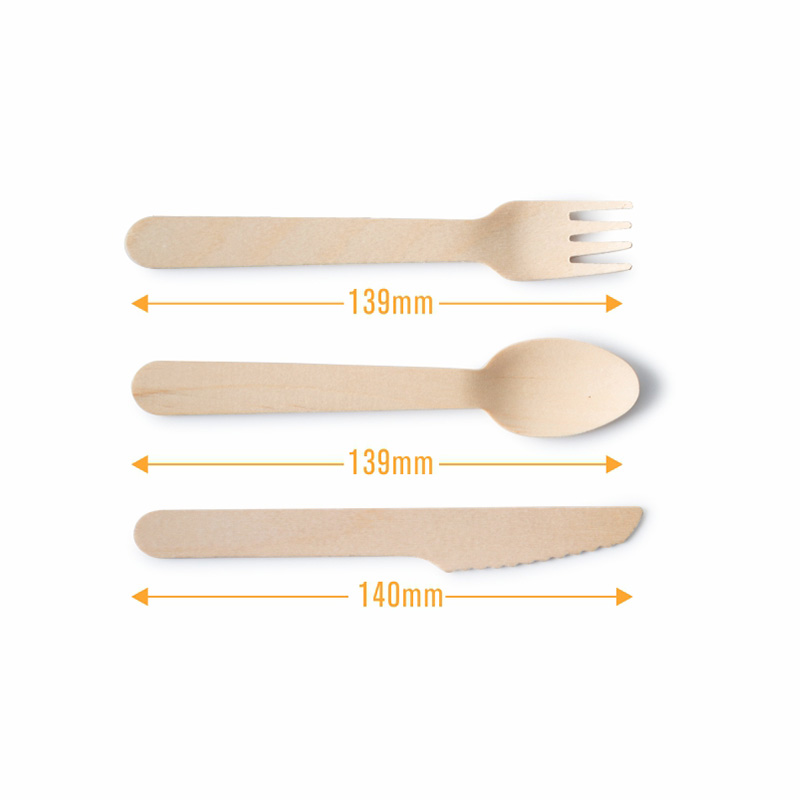 3-Piece Disposable Birch Cutlery Set for Natural FinishThis uncoated birch cutlery set suits users who prefer a natural wood surface. Its closed-grain structure resists water absorption, so a thin oil rub creates a water-resistant sheen.View Product →
For those who prefer cutlery with a natural, uncoated birch surface, keep in mind that birch has a closed grain structure, which means it resists water absorption better than open-grain woods such as ash or oak. This makes it an excellent choice for reusable cutlery, but it also means oil sits on the surface rather than being pulled deep into the fibers. You do not need to use much oil—a thin rub is enough to create a water-resistant sheen.
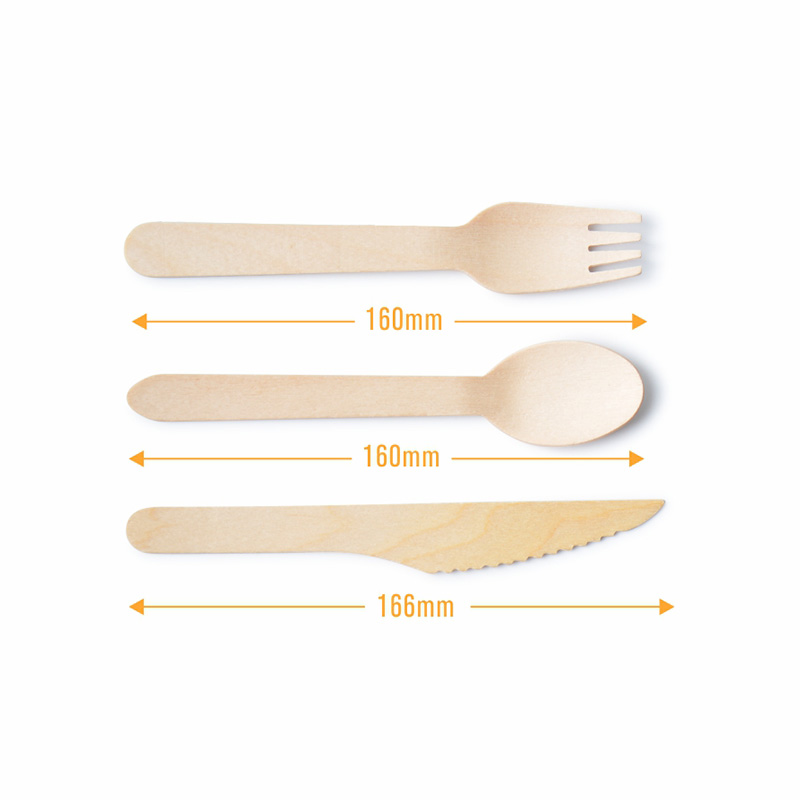 Biodegradable Birch Cutlery Set for Eco-Friendly UseMade from fast-growing birch, this cutlery set is biodegradable and compostable, offering an eco-friendly alternative to plastic. It pairs well with mindful kitchen practices.View Product →
Another consideration is the environmental side of the equation. Birch is a fast-growing, sustainably harvested hardwood, and wooden cutlery made from birch is biodegradable and compostable at the end of its life. This is a major advantage over plastic cutlery, which takes centuries to break down. If you are using wooden cutlery as part of an eco-conscious kitchen, you can feel good about both the product and the disposal path. Conditioning those utensils with oil does not change their compostability; mineral oil and beeswax are both harmless in a backyard compost pile or industrial composting facility.
Even wooden stirrers, often used for coffee or cocktails, benefit from a little conditioning if you plan to reuse them. The same rule of thumb applies: use a thin film of food-safe mineral oil or a paste, let it absorb, wipe off the excess, and you are done. The care routine for a wooden stirrer is exactly the same as for a wooden spoon, just scaled down in quantity.
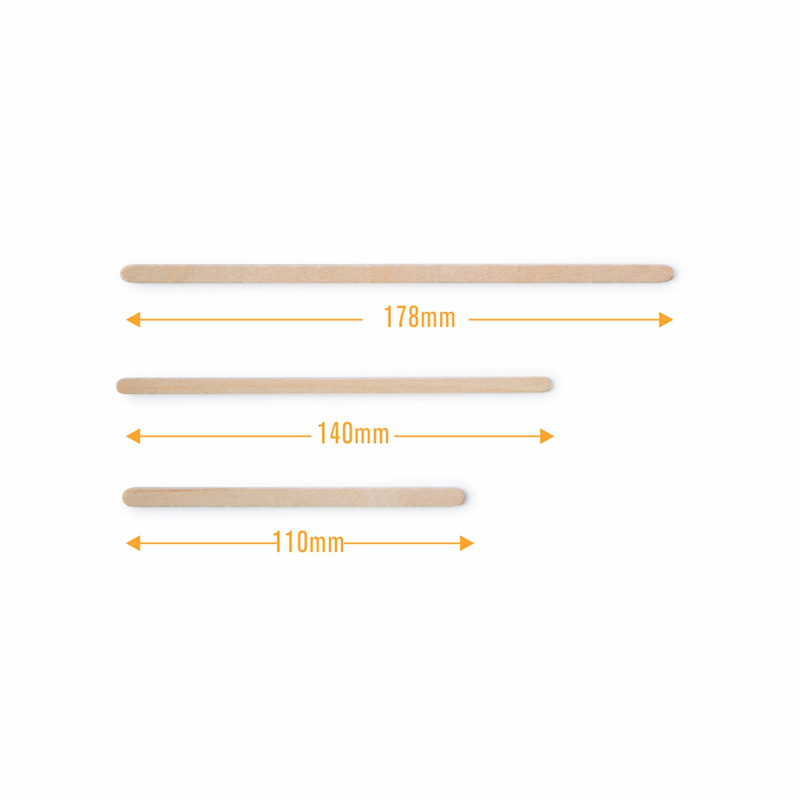 Disposable Birch Stirrer Set for Reuse and ConditioningThese birch stirrers are ideal for coffee or cocktails and can be reused with minimal care. A light food-safe oil treatment keeps them smooth and prolongs their usefulness.View Product →
Frequently Asked Questions About Oiling Wooden Utensils
Can I use olive oil on a wooden cutting board?
You can use olive oil on a cutting board, but the same rancidity problem applies. Because a cutting board has a much larger surface area than a spoon and is frequently washed with soap and hot water, olive oil on a board tends to go rancid even faster. If you have used olive oil on a board before, wash it thoroughly, sand it lightly if it feels sticky, and switch to food-grade mineral oil or a mineral oil and beeswax paste. The board will be safer and easier to maintain in the long run.
What is the best oil for wooden spoons?
Food-grade mineral oil is widely considered the best overall choice for wooden spoons and other kitchen utensils. It does not oxidize, it has no taste or smell, it is safe for food contact, and it is inexpensive. A mineral oil and beeswax paste offers even more protection for utensils that see heavy use. Fractionated coconut oil works well too, though some people do not want a coconut scent on their kitchen tools.
How do I fix a wooden spoon that already became sticky from old oil?
Sticky residue from polymerized olive oil or another vegetable oil is fixable. Wash the spoon with warm soapy water to remove surface grime, then let it dry completely. Use a fine-grit sandpaper (220-grit) to sand away the sticky film, working along the grain. Wipe off the dust, then apply a fresh coat of food-grade mineral oil and let it absorb. If the stickiness persists, repeat the sanding with a slightly finer grit. Do not use paint thinner or chemical strippers on a utensil that will touch food.
Can I use vegetable oil or canola oil instead of olive oil?
Vegetable and canola oils are worse than olive oil in some ways because they contain even higher amounts of polyunsaturated fats, which oxidize faster. They may also leave a sticky, tacky feeling sooner. Avoid them for wood care. Stick with mineral oil, fractionated coconut oil, or a professionally formulated wood conditioner that is labeled as food-safe.
Is mineral oil safe if a small amount gets into food?
Food-grade mineral oil is approved for incidental food contact by regulatory bodies in the United States and Europe. It passes through the body without being absorbed and has no known toxic effects in the small amounts that might transfer from a conditioned utensil. Still, you should always wipe off excess oil after conditioning and let the utensil sit for several hours so that most of the oil is absorbed into the wood.
Can I put wooden utensils in the dishwasher?
No. Dishwashers are the fastest way to ruin wooden utensils. Hot water, aggressive detergents, and high drying temperatures swell the wood, strip its natural protection, and cause cracking. Always wash wooden utensils by hand with mild soap, dry them with a towel, and let them finish air drying upright.
How long does it take for olive oil to go rancid on wood?
In a thin film on a wooden surface, olive oil can begin to show signs of rancidity in as little as two to three weeks. At warmer temperatures or in direct sunlight, it can happen faster. The smell will shift from pleasant and fruity to waxy, stale, or reminiscent of old nuts. Once you notice that smell, the oil should be cleaned off and replaced with a more stable conditioner.
Can I use coconut oil on wooden utensils?
Yes. Fractionated coconut oil, which remains liquid at room temperature, is a solid choice for conditioning wooden utensils. It is stable, safe for food contact, and has a pleasant light scent. Virgin coconut oil that solidifies below 76 degrees Fahrenheit is harder to apply evenly as a surface treatment, though it can still be used if you warm it slightly. Just be aware that coconut oil has a detectable smell, so if you want a completely neutral treatment, choose mineral oil.
Building a Simply Realistic Wood Care Routine
You do not need a complex schedule or a cabinet full of specialty products to keep wooden utensils in top shape. The routine can be broken down into three layers: daily habits, weekly inspection, and monthly conditioning.
Daily: Wash wooden utensils by hand with warm soapy water immediately after use. Dry them with a towel and let them finish air drying upright. Never soak them. Never put them in the dishwasher. If you used a wooden stirrer for coffee, just rinse it and dry it.
Weekly: Give each wooden utensil a quick visual inspection. Check for raised grain, dull patches, small cracks, or sticky residues. Sand down rough spots with fine paper and wipe clean. If any utensil shows early signs of dryness, apply a quick rub of oil right away rather than waiting for the monthly session.
Monthly: Set aside ten minutes for a full conditioning pass. Clean and dry the utensils, inspect each one thoroughly, apply a thin coat of food-grade mineral oil or a mineral oil and beeswax paste, let it soak for an hour, and wipe off the excess. For birch cutlery and everyday wooden tools, this single monthly routine will keep them smooth, water-resistant, and visually appealing.
Seasonally: Once every few months, do a deeper restoration for any utensils that look tired. Sand away any finish that has broken down, give them a heavier oil soak, and let them cure overnight. Utensils stored in cabinets with low humidity or near heating vents will benefit from wintertime extra conditioning.
These simple habits cost very little money and take almost no time, yet they make an enormous difference in the lifespan of wooden kitchen tools. A well-cared-for wooden spoon can last for decades. A neglected one can crack, warp, and develop a sticky, smelly film within a year. The difference is not in the wood itself—it is in the oil you choose and the consistency with which you apply it. When you keep olive oil for cooking and use a proper food-safe conditioner for wood care, you will get the best of both worlds: delicious meals and durable utensils that serve you faithfully for years.