
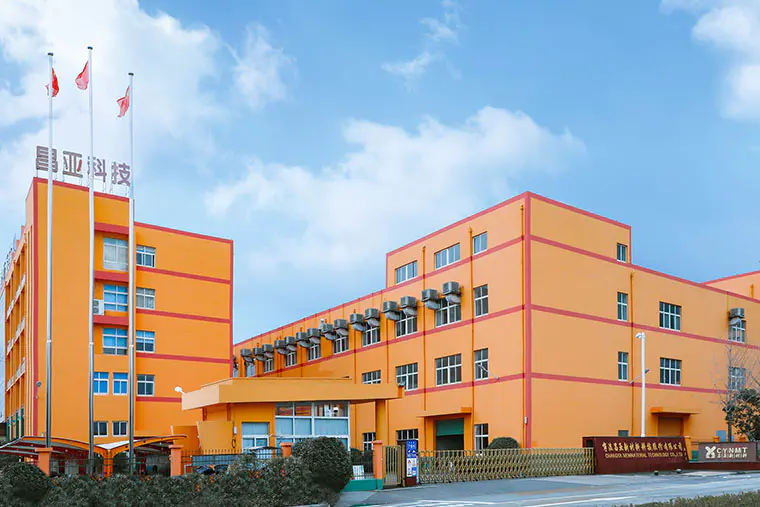
Changya New Material Technology Co., Ltd. was founded in 2013, and the group is headquartered in Ningbo, China. It is a limited liability company integrating R&D, production and sales. As China Disposable Bowls & Trays Manufacturers and Printed Bowls & Trays Suppliers, the company mainly produces paper PLA & Plastic disposable tableware, such as straw, cutlery, microwaveable box, hinged box, cup, carry out bag, plate, dinning kit, etc.
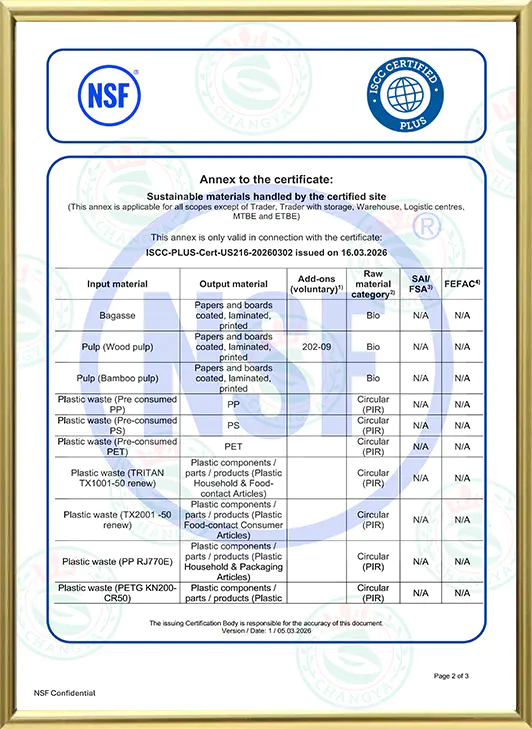
Changya New Material Technology Co., Ltd. has developed rapidly since its establishment, with a growth rate of over 30% each year, and has now become an enterprise in the field of high-quality disposable food and kitchen supplies in China. Changya products are mainly sold in the international market, and more than 90% of the products are exported to many regions such as Europe, the United States, and Australia. Changya adopts strict quality control standards for its products and has won a variety of international certifications, including BRC, GMP NSF, ISO 22000, and GMP, and it has passed LFGB, FDA, and other food safety tests. At the same time, it is a member of the international human rights organizations BSCI and Sedex. It has wide recognition and a good reputation in the international market.
Paper vs plastic straws: serving time and cost per cup decide the winner, not t...
View MoreFor a 95°C curry with a 20-minute delivery window, bagasse is the safer default...
View MoreThe Short Answer: Biodegradable Is Broad, Compostable Is Specific Every compost...
View MoreOak, ash, pine, cedar, yew, and alder are the woods that should never be used f...
View MoreThe Short Answer: Birch, Beech, and Hard Maple Birch, beech, and hard maple are...
View MoreSwitching to wooden cutlery sounds like a simple sustainability win. But after ...
View MoreChangya New Material Technology Co., Ltd. is a Bowls & Trays manufacturer producing disposable food bowls and trays for takeaway, delivery, catering and retail food programmes. Our range covers injection-moulded and thermoformed formats in PP, PS, PLA and paper-based materials, supplied with matching lids and custom printing.
We have manufactured disposable foodservice products from our Ningbo base since 2013, with a Vietnam production base supporting capacity for paper and moulded products. Bowls and trays sit alongside our Plates, Containers and Cups ranges so that a single foodservice programme can be sourced as a coordinated set.
Our bowls and trays are built around the working point of the food: serving temperature, fat and moisture content, portion weight, lid requirement and the handling route from kitchen to customer. We produce round and rectangular bowls, shallow and deep trays, and lidded formats for soups, noodles, rice dishes, salads, sides, sauces and dessert portions.
Rigid PP and PS bowls with controlled wall thickness, suitable for hot and cold menus and for snap-fit or push-on lids.
Lightweight trays for multi-portion meals, catering lines and chilled display, with stacking geometry for transport.
Bowl and lid combinations for delivery and grab-and-go, matched on rim diameter and closure force.
Brand printing on bowls and trays for chains, meal-kit operators and private-label ranges.
Material choice drives heat resistance, grease barrier, rigidity and end-of-life positioning. We confirm the material against the actual menu rather than a generic category, because a 95 °C curry and a chilled dessert place very different demands on the same bowl format.
| Material | Typical Fit | Points We Confirm |
|---|---|---|
| PP | Hot noodles, rice, soups, sauces, microwave reheating | Service temperature, lid fit, oil resistance |
| PS | Cold salads, desserts, fruit, chilled display trays | Clarity, brittleness in cold chain, stacking load |
| PLA | Cold and warm menus where compostable positioning matters | Upper temperature limit, storage conditions, shelf life |
| Paper / board | Dry sides, snacks, bakery, coated trays for light sauces | Coating type, grease barrier, rim strength |
Bowl and tray specifications are agreed as a set of measurable values, not a single capacity figure. Capacity is quoted as usable volume below the rim, since overfill is the most common cause of leakage in delivery use.
We produce all types of food-related bowls and trays, injection-moulded or thermoformed, and our range is not limited to the current catalogue models. Custom shapes, sizes and lid systems are developed against a drawing, a sample or a defined working volume.
Configuration options we quote against
Bowls and trays are handled by people, by sealing equipment and by automated filling lines, and each route sets different requirements. For manual service we focus on rim grip, de-nesting force and stack stability. For automated lines we confirm dimensional consistency across the nest so that denesters, fillers and lid presses run without jams.
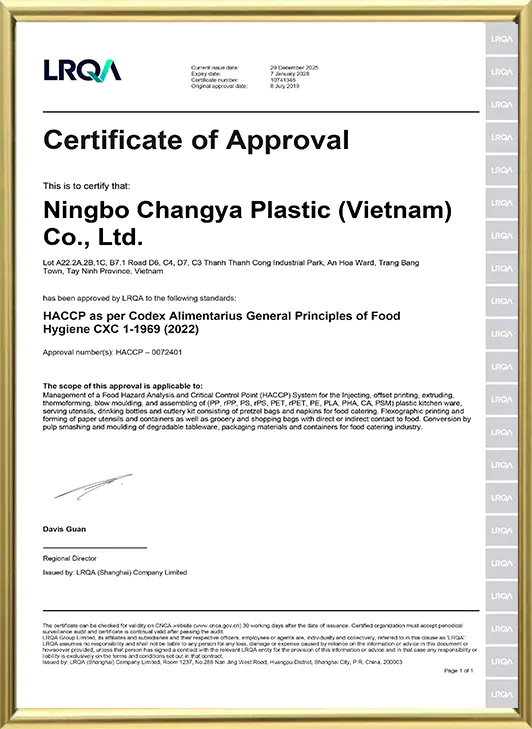
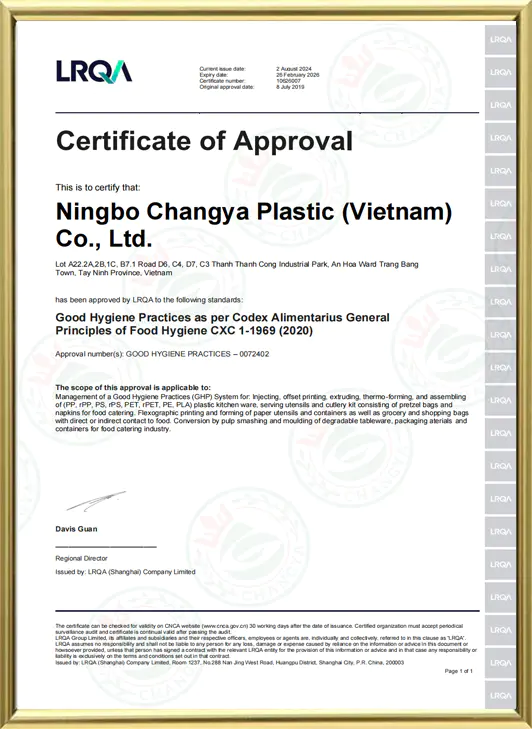
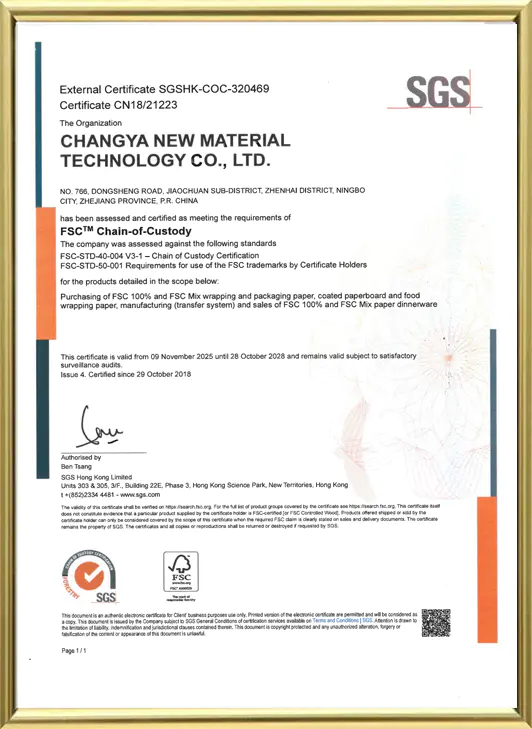
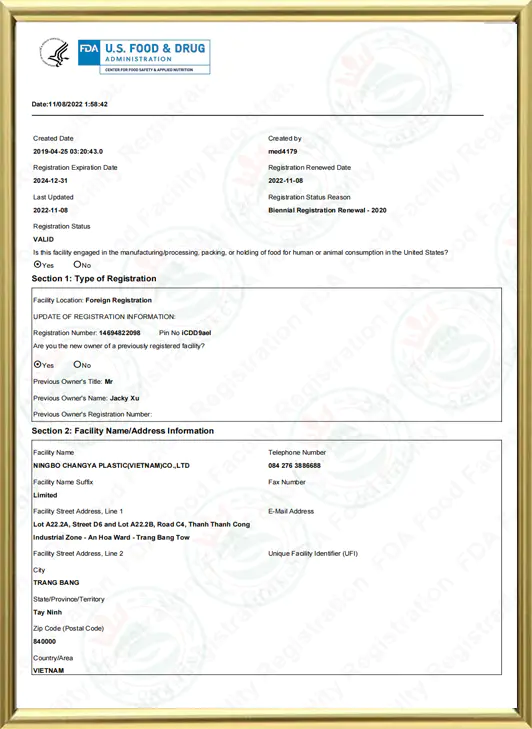
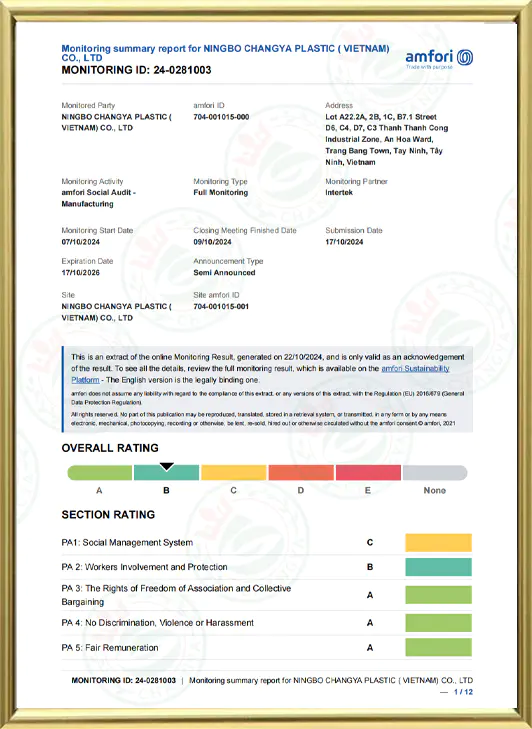
Our quality system is audited against ISO 22000, HACCP and BRC, and our facilities hold NSF and GMP certification. Products are tested to FDA and LFGB food-contact requirements, and our paper-based lines are supported by FSC chain-of-custody certification. Social compliance is covered through BSCI and Sedex membership.
For each order we agree the acceptance basis before production: dimensional checks on rim, depth and stack height, visual inspection for flash and print defects, lid fit trials on sampled bowls, and carton count verification. Where a customer requires retained samples or batch records, these are specified in the order documentation.
A bowl or tray proposal is only as good as the working data behind it. We build the configuration and quotation from the following inputs, and where a value is still open we state the assumption in the proposal so it can be confirmed before tooling or printing begins.
| Input | What It Determines |
|---|---|
| Menu and serving temperature | Material grade, wall thickness, lid venting |
| Portion weight and fill level | Capacity, depth, headspace |
| Lid or seal requirement | Rim profile, closure type, tooling |
| Handling and filling method | De-nesting force, dimensional tolerance, packing format |
| Brand artwork and colour count | Print method, plate or cylinder requirement, proofing |
| Order quantity and delivery schedule | Production route, carton configuration, shipment planning |
| Destination market | Applicable food-contact test evidence and labelling |
Bowls and trays rarely ship alone. Delivery operators and caterers usually need a matched set across the meal: a tray for the main, a lidded bowl for soup or dessert, cutlery, a cup and a straw. Sourcing these from one manufacturer keeps colour, material story and print quality consistent across the pack.
Our wider range includes Cutlery in PLA, PP, PS, paddy fibre and wood, Straws in paper, plastic and PLA, and Paper Bowl formats for hot soup and noodle service. We coordinate the material mix so that a single menu can move to compostable or fibre-based formats without redesigning the whole pack.
Yes. We produce all types of food-related bowls and trays, injection-moulded or thermoformed, and custom shapes, sizes and lid systems are developed from a drawing, sample or defined working volume. Tooling and print requirements are confirmed before production begins.
For hot, oily or high-moisture dishes, PP is the usual choice because of its heat resistance and rigidity. PLA can suit warm and cold menus where compostable positioning matters, but its upper service temperature and storage conditions need to be respected. We confirm the grade against your actual fill temperature.
Lidded formats are part of our range, including round plastic food bowls supplied with lids. Lid geometry is matched to the bowl rim, and for hot fills we review venting so that condensation and pressure do not compromise the closure during delivery.
Our facilities operate under ISO 22000, HACCP and BRC systems with NSF and GMP certification, and products are tested to FDA and LFGB requirements. Paper-based items are supported by FSC certification, and social compliance is covered through BSCI and Sedex membership. The relevant evidence is matched to your destination market.
Printed bowls and trays are available as part of the range. We work from your artwork and confirm the print area, colour count and proofing route before the run, so that decoration on bowls, trays and companion items stays consistent across the pack.
Send the menu or application, target capacity, lid requirement, handling method, print needs, order quantity and destination market. We use those inputs to propose a material, format and packing configuration, and to prepare the quotation and specification for confirmation.

PLA straws have significant advantages in raw material selection, which stems from their u...
The biodegradability of PLA straws is one of its significant advantages in the field of en...
Copyright © Changya New Material Technology Co., Ltd.All Rights Reserved.
Custom Disposable Printed Bowls & Trays Manufacturers

 English
 中文简体
