 English
 中文简体
中文简体With the growing global concern about plastic pollution, attention has increasingly shifted from traditional plastic items like bottles and bags to smaller, everyday plastic products. Disposable plastic straws and other single-use plastic products, such as plastic cutlery, have become some of the most controversial items. This article will provide a detailed comparison of the pollution impact of disposable plastic straws and other single-use plastic products, covering aspects such as environmental harm, alternatives, and recyclability. Understanding these differences helps in assessing their contribution to global plastic pollution.
Pollution Characteristics of Disposable Plastic Straws
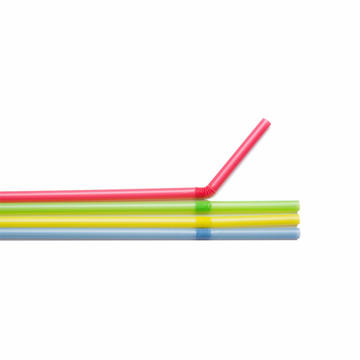
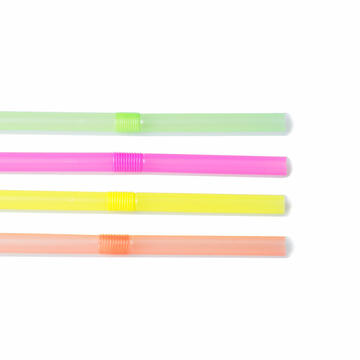
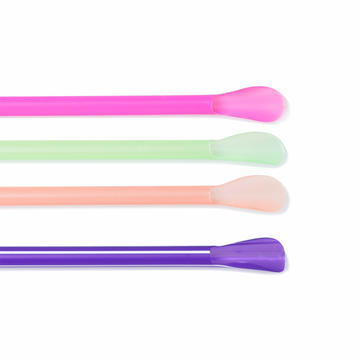
Disposable plastic straws are one of the most common plastic items found in the environment. Their small size, convenience, and low cost make them widely used, especially in the food and beverage industry. However, because of their small size and lightweight nature, plastic straws are often overlooked, resulting in a large number of them being discarded globally. According to ocean conservation organizations, billions of plastic straws are discarded every year, and a significant portion of these straws eventually end up in the ocean, causing substantial environmental damage.
Microplastic Issues
One of the significant pollution concerns with disposable plastic straws is their gradual breakdown into microplastics. Once plastic straws enter aquatic environments, they may break apart into smaller pieces due to the effects of sunlight and water movement. These tiny fragments, known as microplastics, pose a severe threat to marine life. Microplastics are ingested by marine organisms, and over time, they accumulate in the food chain, threatening the stability of ecosystems. Compared to other plastic items, straws are particularly likely to break down into microplastics, making their environmental impact more immediate and widespread.
Direct Threats to Wildlife
Due to their long, thin shape, disposable plastic straws are more likely to be ingested by marine life. Studies show that sea turtles, seabirds, and various marine species often mistake plastic straws for food, leading to gastrointestinal blockages and, in many cases, death. The unique shape and size of plastic straws make them particularly hazardous to wildlife compared to other plastic products. The direct harm to animals is more pronounced with plastic straws, leading to more visible and immediate environmental consequences.
The Pollution Problem of Disposable Plastic Cutlery
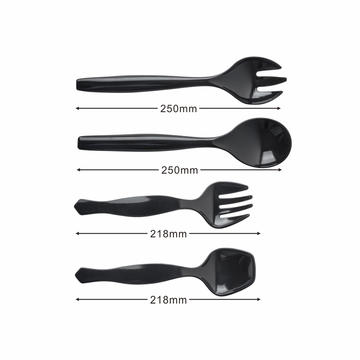
Disposable plastic cutlery (such as plastic forks, knives, spoons, plates, and bowls) is also widely used, much like plastic straws. While their larger size makes them more noticeable in terms of waste, their environmental impact is just as significant, if not more so, when considering factors like recyclability and long-term pollution.
Challenges in Recycling Plastic Cutlery
One of the main differences between disposable plastic straws and plastic cutlery is that plastic cutlery is often more difficult to recycle. After use, plastic cutlery is typically contaminated with food residue, oil, and other materials, making it unsuitable for recycling through standard methods. Additionally, plastic cutlery is made from various types of plastic, which complicates sorting and recycling processes. As a result, disposable plastic cutlery often ends up in landfills or directly in the ocean, contributing to long-term environmental pollution.
Larger Ecological Footprint
While disposable plastic cutlery is larger in size, meaning it is more noticeable in waste, it also occupies more space in landfills compared to plastic straws. Because of their larger size, plastic cutlery contributes to the depletion of landfill capacity, leading to greater strain on waste management systems. The environmental impact of these items is more visually apparent, but they also have a longer-lasting presence in the environment, as they take a significantly longer time to decompose compared to plastic straws.
Comparing Pollution Impact: Disposable Plastic Straws vs. Plastic Cutlery
While both disposable plastic straws and plastic cutlery are single-use plastic products, they differ in their pollution characteristics and impacts on the environment. Below are key points to consider when comparing their environmental effects:
Size and Weight
Disposable plastic straws are smaller and lighter, which makes them easy to overlook in waste management. Their size, however, leads to their widespread use, causing an overwhelming amount of pollution. In contrast, plastic cutlery, while larger and more visible, is used less frequently and typically in smaller quantities. This difference in usage frequency means that plastic cutlery may not contribute as significantly to overall pollution in some regions compared to plastic straws.
Degradability
Both plastic straws and plastic cutlery take hundreds of years to degrade, but the key difference lies in the way they break down. Disposable plastic straws are more likely to break down into microplastics, which spread more easily throughout aquatic ecosystems. Plastic cutlery, being larger, tends to degrade more slowly and causes visible pollution over time, but it is less likely to break down into microplastics as quickly as straws. The degradation of both items contributes to long-term environmental issues, though plastic straws tend to have a more immediate impact on ecosystems.
Threats to Wildlife
Plastic straws, with their slim, elongated form, pose a more immediate risk to marine life. Sea creatures often ingest straws, leading to internal injuries or death. Although plastic cutlery can also be ingested by marine life, its larger size makes it less likely to be consumed accidentally. Still, if ingested, plastic cutlery can cause severe harm to animals, especially those with smaller digestive systems. Therefore, while plastic straws pose a direct and more immediate threat to wildlife, plastic cutlery is also harmful, albeit to a lesser extent.
Recycling Difficulty
Both plastic straws and plastic cutlery face significant challenges when it comes to recycling. Plastic straws, being small and lightweight, are often missed during waste collection and recycling processes. As a result, most plastic straws end up in landfills or the ocean. On the other hand, plastic cutlery, which is usually contaminated with food waste, is even more difficult to recycle. The presence of food residue on plastic cutlery makes it unfit for recycling, increasing the chances of these items being disposed of improperly and contributing to long-lasting environmental harm.