 English
 中文简体
中文简体If you search for "How sanitary are wooden utensils?" you will find two very different answers. One says wood is naturally antimicrobial and safe for everyday cooking. Another says wooden spoons absorb bacteria, oils, and food particles and should be thrown away. The practical answer sits between those extremes. Wooden utensils can be sanitary when they are made from a suitable hardwood, finished and handled correctly, cleaned promptly, dried thoroughly, and replaced once they crack or develop deep stains. This is not a simple yes or no question. Moisture, surface condition, cleaning habits, storage, and whether the utensil is reusable or single-use all affect the final hygiene outcome.
How Sanitary Are Wooden Utensils?
The most useful answer is that clean, dry, well-maintained wooden utensils are sanitary enough for normal food preparation. They are not sterile. They can carry bacteria if they stay wet for a long time, if they have deep grooves or cracks, or if they are used with raw meat and then not cleaned properly. But the same is true for many other kitchen surfaces. Wood has a different set of risks and advantages than plastic, metal, or silicone, and those differences matter more than people usually assume.
From a food safety perspective, the real question is not "Does wood hold bacteria?" because every surface can hold bacteria. The real question is "Under normal use, can those bacteria survive, multiply, and transfer to food?" For a wooden utensil that is washed and dried after each use, the risk is low. For a wooden spoon that sits in a sink full of water overnight, or a cracked wooden spatula used to stir raw chicken, the risk is higher.
If you are responsible for a commercial kitchen, catering operation, or food delivery business, the same principles apply, but the volume changes the equation. A reusable wooden spoon in a home kitchen can be managed carefully. In a busy foodservice environment, consistency is harder to guarantee. That is why single-use wooden cutlery is often a better choice for takeout, meal delivery, catering trays, and other high-turnover situations.
What the Science Says About Wood and Bacteria
Wood is porous, and that porosity is often described as a hygiene risk. The logic sounds reasonable: bacteria can hide inside tiny openings and survive normal washing. However, the same porous structure also allows wood to absorb moisture from the surface. When the surface dries, bacteria lose the moisture they need to multiply. Several controlled studies have found that bacteria placed on wooden cutting boards and utensils die off more quickly than bacteria on plastic when both are left at room temperature. This is not a universal rule, but it contradicts the common myth that wood is always less sanitary than plastic.
Some wood species also contain natural compounds such as tannins, phenolics, and other plant extracts that can inhibit microbial growth. Hardwoods like birch, beech, maple, and oak tend to have a tighter grain and better surface quality than softwoods. Birch is particularly common for disposable wooden cutlery because it is smooth, light in color, and free of strong resin or odor. These properties do not make wood a disinfectant. They simply mean that wood is not inherently dangerous just because it comes from a natural material.
It is more accurate to describe wood as a material that can be hygienic under dry, well-aired conditions and less hygienic when it is kept wet, scratched, or dirty. Bacteria need moisture, warmth, and food. A clean wooden spoon that is dried after washing provides none of those conditions. A damp wooden spoon with leftover food trapped in a scratch provides all of them.
When Wooden Utensils Become a Hygiene Risk
Wooden utensils become a food safety concern when they are damaged, left wet, or cleaned improperly. Understanding these risk conditions is more useful than trying to eliminate all contact between wood and food.
Deep cracks and splits
Once wood cracks, bacteria and food residue can collect inside a channel that is very difficult to scrub. A cracked wooden spoon can no longer be considered hygienic, even if the crack is small.
Soaking in water
Leaving wooden utensils in a sink, dishwasher, or bowl of water allows water to penetrate the surface. Prolonged moisture encourages swelling, warping, and bacterial growth.
Raw meat and eggs
If a wooden utensil contacts raw poultry, meat, seafood, or egg, it must be cleaned immediately with warm water and detergent. If it sits with raw juices for too long, the risk of cross-contamination increases.
Dishwasher exposure
The hot, wet environment of a dishwasher can warp wood and strip protective oils. Dishwasher detergent is also harsh. Hand washing is the safer method for reusable wooden utensils.
These risks do not mean wooden utensils should be banned from the kitchen. They mean that wood should be treated like the natural material it is. It needs airflow, regular oiling, and periodic inspection. If a utensil becomes rough, splintered, or deeply stained, it no longer meets a reasonable sanitary standard.
How Cleaning and Drying Affect Sanitation
Cleaning is the first line of defense, but drying is just as important. The fastest way to make a wooden utensil unsafe is to wash it and then leave it in a wet pile or a closed drawer. Moisture trapped inside wood creates the perfect environment for mold, mildew, and bacteria to grow. For this reason, the basic cleaning routine should be simple and repeatable.
Rinse and wash promptly
Rinse the utensil under warm water immediately after use to remove loose food. Wash it with a mild dish soap and a soft sponge. Scrubbing with steel wool or abrasive pads can scratch the surface and create hiding places for bacteria. Pay attention to the area where the handle meets the bowl of the spoon or the blades of a pair of tongs. That joint traps food more easily than the flat parts.
Do not soak
Soaking wooden utensils is a common habit, but it is not a good one. Wood absorbs water, and even a high-quality hardwood will swell and weaken if left in liquid. If food dries onto the utensil, use hot water to soften it, wash with soap, and dry immediately rather than leaving it to soak overnight.
Dry with a towel and air dry
After washing, dry the utensil with a clean towel. Then place it somewhere with good air circulation, such as a utensil crock or a drying rack. Do not stack wet wooden spoons on top of each other. If you use an open container, place the utensils with the working end up so water drains away from the handle and air can reach all sides.
Use a food-safe dry oil occasionally
Food-grade mineral oil or a food-safe beeswax blend can help keep wooden utensils from drying out and cracking. Apply a thin layer of oil to a clean, dry surface and let it absorb. This does not make the wood waterproof, but it reduces moisture absorption and keeps the surface smooth. Avoid cooking oils such as olive oil or vegetable oil because they can turn rancid and create off odors.
Sanitizing Methods for Wooden Utensils
Occasional sanitizing can reduce the microbial load on wooden utensils without damaging the wood, as long as the method is food-safe and followed by a clean water rinse. The table below compares common options.
| Method | Best used for | Key precaution |
|---|---|---|
| Warm water and mild dish soap | Routine cleaning after most meals | Rinse thoroughly and dry immediately |
| White vinegar solution | Odor removal and periodic cleaning | Dilute with water, do not soak for hours |
| Food-grade hydrogen peroxide | Stubborn stains or a deeper clean | Rinse well afterward and dry completely |
| Diluted unscented bleach | Flooding, mold, or high-risk contamination | Use a very low concentration and rinse thoroughly |
| Boiling water | Not recommended | Can crack and warp wood |
| Dishwasher | Not recommended | Heat, moisture, and detergent damage wood |
After any sanitizing treatment, allow the wooden utensil to air dry completely before storing. If the wood develops a fuzzy surface, rough areas, or visible peeling, it should be sanded lightly with fine sandpaper and re-oiled, or replaced.
Reusable Wooden Utensils vs Single-Use Wooden Cutlery
Wooden utensils are available in two very different product categories. Understanding the difference is important for hygiene decisions.
- Reusable wooden cooking utensils: spoons, spatulas, scrapers, and tools meant to be washed and used many times over months or years. These require responsible maintenance, careful cleaning, and periodic replacement.
- Single-use wooden cutlery: forks, knives, spoons, and stirrers made from wood such as birch, designed for one meal or one beverage. They are not intended to be washed and reused. Because they are used once, they eliminate most of the risks caused by poor cleaning, inadequate drying, and accumulated damage.
For a home kitchen, a well-maintained reusable wooden spoon can be perfectly sanitary. For a busy catering event, a basket of shared reusable wooden cutlery is harder to control. Guests may handle multiple pieces, put used utensils back, or take extras. Single-use wooden cutlery avoids that problem because each piece is used by only one person and then removed from service.
The phrase "single-use" does not mean lower quality. In foodservice, the cleanliness of a wooden fork depends on the manufacturing process, the moisture content of the wood, and the packaging conditions. Premium single-use birch cutlery is smooth, sanded, and free of splinters. It can be composted after use, which adds an environmental advantage in communities with appropriate organic waste collection. For more detail on how wood and plastic compare in daily use, our wood vs plastic utensils guide covers the main trade-offs.
Foodservice and Catering Considerations
If you operate a catering business, ghost kitchen, café, or takeout restaurant, the word "sanitary" has a practical meaning. You need to prevent cross-contamination, satisfy health inspections, and give customers confidence that the utensils they touch are clean. Wooden utensils can fit into that system, but the approach should be different from a home kitchen.
For dine-in table setups, pre-wrapped single-use wooden cutlery reduces the number of touchpoints between staff, customers, and shared bins. For delivery orders, a sealed wooden cutlery set protects the utensils from dust, moisture, and handling during transport. Many foodservice buyers prefer wooden single-use cutlery because it looks natural, feels sturdy, and avoids the visual "plastic waste" perception that comes with disposable plastic forks.
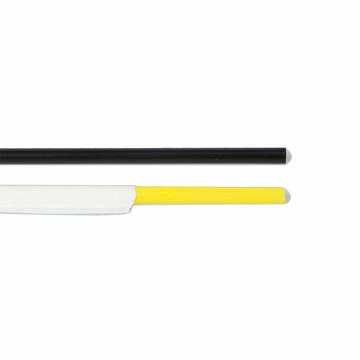
Another often-overlooked wooden utensil is the coffee stirrer. A shared jar of plastic stirrers can be touched by dozens of customers, and the stirrers themselves may collect dust and moisture. Single-use birch stirrers are taken once, used, and discarded. In that setting, they are more hygienic than reusable communal stirrers.
Disposable Biodegradable Birch Cutlery Set A complete wooden cutlery set for takeout, catering trays, and foodservice packaging. Each set is designed to avoid the sanitation issues that come with reused utensils. View product Disposable Birch Stirrer Set Smooth, single-use birch stirrers for coffee, tea, and beverage service. They offer a hygienic and natural alternative to shared plastic stirrers. View productWhat to Look for When Buying Wooden Utensils
Whether you are buying wooden spoons for a home kitchen or wooden cutlery for a restaurant, material quality is the foundation of food safety. The best wood will not eliminate all sanitation tasks, but it will make cleaning and drying more effective.
- Hardwood species: birch, beech, maple, and oak are generally harder and less porous than softwoods like pine. Birch is popular for single-use cutlery because it has little taste or odor.
- Smooth surface: the utensil should feel sanded and comfortable. It should have no splinters, rough edges, or visible cracks.
- Minimum finish: for reusable wooden utensils, a food-safe mineral oil or beeswax finish is preferable. Avoid unknown varnishes or paints that may not be food-contact certified.
- No deep grain cavities: highly porous wood with open grain can be harder to clean. A tighter grain creates a smoother surface.
- Food-contact documentation: for commercial purchasing, ask for test reports showing compliance with food contact standards. Certifications such as LFGB and FDA food contact testing offer useful assurance.
- Consistent moisture control: wooden cutlery should be manufactured from properly dried wood. High moisture content can support mold over time.
Manufacturing and Raw Material Quality
As a manufacturer of disposable foodservice products, we look at wooden utensil hygiene from the production side. The final user cannot sanitize a single-use fork after it is opened. The sanitation process must happen before packaging. For that reason, the production line needs to be clean, dry, and carefully controlled.
The raw material starts as birch logs or veneer. The wood is peeled, cut, shaped, and sanded into the desired form. After sanding, the pieces are inspected for cracks, splinters, uneven edges, and discoloration. Moisture content is critical; wood that is too wet may support microbial growth during storage, while wood that is too dry can become brittle. The finished pieces are packed in clean, sealed packaging so they remain free from dust and contamination until they reach the kitchen.
Food-contact safety is not just about the surface of the wood. It also involves the conditions in the warehouse and during transport. Wooden cutlery should be stored away from chemicals, strong odors, and high humidity. Pallets should be kept off the floor, packaging should not be torn, and rotation should follow the first-in, first-out principle. These details are invisible to the end customer, but they directly affect whether the product arrives clean. If you want to understand the full process behind wooden utensils, read about the steps involved in making wooden cutlery.
Storage and Handling After Purchase
Even the highest quality wooden utensils can become unsafe if they are stored incorrectly. Moisture is the main enemy. For reusable wooden cooking tools, keep them in a place with air movement. Do not keep them under the sink, inside a sealed plastic bag, or near a dishwasher that constantly releases steam. A hanging rack or open container on the counter is usually better than a closed drawer.
Single-use wooden cutlery needs different handling. It may stay in its original carton or shrink-wrapped portion packs until service. Once a box of wooden forks is opened, the remaining pieces should be kept in a clean container with a lid or a dispenser. This reduces the chance of customers touching the surface of every fork while they search for one at the bottom of the box.
Temperature and humidity also matter for long-term storage. A dry, cool area is preferable. If wooden cutlery is stored in a damp basement or near a dishwashing station, the packaging can absorb moisture and create conditions for mold. Operators should check the packaging regularly and discard any product that looks damp, stained, or damaged. For more details on the best conditions, see our article on proper wooden tableware storage.
How Long Should Wooden Utensils Last?
There is no single expiration date for a reusable wooden spoon because it depends on how often it is used, how it is cleaned, and how well it is maintained. In general, a good quality wooden cooking utensil can last for years if it is not abused. The point of replacement is not based on age alone. It is based on the condition of the surface.
- Replace a wooden utensil if it develops cracks, splits, or splinters.
- Replace it if the surface feels rough or fuzzy even after sanding and oiling.
- Replace it if there is visible black mold or dark stained areas that cannot be removed.
- Replace it if it smells sour, swampy, or moldy after washing and drying.
- Replace it if it has become warped from soaking or dishwasher use.
- Replace it if it has been used with raw meat and then accidentally left unwashed for several hours.
For single-use wooden cutlery, the "lifespan" is only one meal. The product should be used, composted, or discarded after service. Do not wash and reuse disposable wooden forks and spoons. They are engineered as single-use items, not as durable tools. Reusing them can create splintering and may also weaken the wood, especially after exposure to hot or acidic foods.
Wooden Utensils and Food Allergens
Cross-contact with allergens is a separate part of sanitation. Wooden utensils are porous in a way that concerns allergy-conscious families and foodservice operators. If a wooden spoon is used to stir a dish containing peanuts and then cleaned with a wipe, could it still carry peanut protein? It is possible, especially if the wood is scratched or pitted. The safest practice is to wash the utensil with hot water and detergent, then rinse thoroughly. For highly sensitive situations, dedicate separate wooden utensils to allergen-free cooking, or use smooth, non-porous tools that are easier to sanitize.
In commercial kitchens, allergen protocols usually require separate color-coded tools for major allergens. If wooden utensils are used, the cleaning step must be documented and consistent. If the kitchen cannot guarantee thorough washing, single-use wooden cutlery is a cleaner alternative because it is never used on more than one meal.
Practical Checklist for Sanitary Wooden Utensils
The following checklist brings together the most important actions. It is designed for both home users and foodservice operators who want to keep wooden utensils sanitary without unnecessary worry.
- Use hardwood products from a supplier that can show food-contact compliance.
- Wash wooden utensils by hand with warm water and mild dish soap soon after use.
- Avoid soaking, dishwasher cycles, boiling, and high-heat exposure.
- Dry wooden utensils immediately and allow them to finish air drying in an open, ventilated spot.
- Oil reusable wooden utensils occasionally with food-grade mineral oil.
- Inspect wooden utensils for cracks, splinters, stains, odor, and warping.
- Do not use damaged reusable wooden utensils near food.
- For takeout, catering, and shared foodservice settings, choose packaged single-use wooden cutlery.
- Store single-use wooden cutlery in dry, clean, covered bins and use the oldest stock first.
- Follow allergen control procedures and keep dedicated tools for allergen-free cooking if needed.
Frequently Asked Questions About Wooden Utensil Hygiene
Are wooden utensils more sanitary than plastic?
There is no universal answer. Under dry conditions, some research has shown bacteria die faster on wood than on plastic. Under wet conditions, a plastic surface may be easier to clean and disinfect. The more important variable is how the utensil is used and maintained. A well-cleaned dry wooden utensil is generally sanitary. A cracked plastic spoon can be just as unsafe because bacteria hide in scratches.
Can wooden cutting boards cause food poisoning?
Any cutting board can carry bacteria if it is not cleaned properly. Wooden boards are not automatically dangerous, but they should not have deep knife grooves. The surface should be smooth, dry, and sanitized regularly. If the board has deep cuts, it needs to be sanded down or replaced.
Is it safe to use wooden utensils with raw meat?
Yes, if the utensil is washed thoroughly with hot water, dish soap, and clean rinse water immediately after contact with raw meat. The risk comes from leaving the utensil wet or using it with another food before cleaning. In high-risk commercial environments, some operators prefer dedicated color-coded tools for different proteins.
Should wooden spoons go in the dishwasher?
No. The dishwasher exposes wood to prolonged heat, moisture, and strong detergent. That can warp the wood, remove natural oils, and cause cracking. Hand washing is the safer and more sanitary method.
How can I tell if a wooden utensil is no longer safe?
Look for cracks, splits, splinters, rough surfaces, deep stains, sour odors, or visible mold. Also check for warping. If a wooden utensil no longer feels smooth and solid, replace it.
Are disposable wooden utensils good for the environment?
Disposable wooden cutlery is made from a renewable resource. Because it is designed for single use, it removes the hygiene risks associated with reused utensils. If your local waste system supports composting, clean wooden cutlery can be composted instead of sent to landfill.