 English
 中文简体
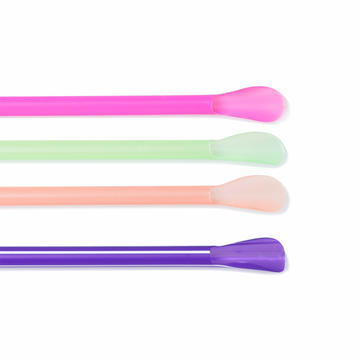
中文简体Disposable plastic PS dessert cutlery sets are widely used in household gatherings, restaurants, cafés, and various fast-food settings. Due to their low cost, convenience, and aesthetic appeal, they have become the go-to choice for many. However, with the growing awareness of environmental issues, it has become crucial to understand how to properly clean and handle these disposable plastic utensils. This article provides a detailed explanation on the cleaning and handling of disposable PS plastic dessert cutlery, as well as how to minimize their environmental impact.
Characteristics of PS Plastic
Polystyrene (PS) is a commonly used plastic material for manufacturing disposable cutlery, valued for its rigidity, high transparency, and low production cost. PS plastic is rigid at room temperature, but it has poor heat resistance and is prone to deformation at higher temperatures. Therefore, PS dessert cutlery is not suitable for hot foods or drinks. Understanding these characteristics is crucial for the cleaning and handling process.
Challenges in Cleaning PS Plastic Dessert Cutlery
Compared to other disposable plastic utensils, cleaning PS plastic dessert cutlery can be somewhat tricky. First, the smooth surface of PS plastic makes it prone to food residues like oils, sugars, and stains. Secondly, PS cutlery has poor heat resistance, so hot water or cleaning agents may deform the plastic, affecting its usability. Finally, since PS utensils are typically used only once, cleaning them thoroughly is essential to avoid food safety concerns, especially if not cleaned properly.
Methods for Cleaning Disposable PS Dessert Cutlery
1. Rinsing with Water
If the PS dessert cutlery is relatively clean, without much oil or food residue, a simple rinse with water may be sufficient. This method is effective for removing most food remnants and small stains. It is recommended to use water at room temperature, as hot water could cause the plastic to deform.
2. Using Gentle Detergents
For cutlery with grease or sugar residue, rinsing with water alone may not be enough. In such cases, using a mild detergent is recommended. Opt for detergents that do not contain bleach, as bleach can damage the surface of PS plastic. Soak the utensils in the soapy water for 5 to 10 minutes and then gently scrub them with a soft brush. This helps remove food particles without scratching the surface.
3. Precautions When Using Cleaning Agents
When using cleaning agents, avoid those that are highly acidic or alkaline, as they can damage the PS plastic surface. Before applying any detergent, test it on a small, inconspicuous area to ensure it does not cause any damage. It's important to choose a detergent that is safe for food-related items and free of harsh chemicals.
4. Scrubbing and Rinsing
For stubborn stains, using a soft-bristled brush or sponge is the best option. Apply gentle pressure while scrubbing to avoid deforming the plastic. Repeatedly rinse the cutlery under clean water to ensure that no detergent residues are left behind. This ensures that the cutlery is clean and safe for use.
5. Drying and Storing
After cleaning, it is essential to dry the PS dessert cutlery thoroughly. Place them on a clean towel or drying rack and avoid direct exposure to sunlight. While PS plastic is generally durable, long-term exposure to high heat may alter its color or shape. When drying, avoid stacking the cutlery on top of each other to allow for proper air circulation and prevent odor or bacterial growth.
Handling and Disposal of Disposable PS Dessert Cutlery
1. Recycling PS Plastic
Despite the widespread use of PS plastic, many disposable PS utensils are not easily recyclable due to the high cost and complexity of the recycling process. In some regions, recycling programs for PS plastic are not available. However, as environmental regulations become stricter, some areas have started promoting the recycling of PS plastic cutlery.
Consumers can ensure proper disposal of PS utensils by following these guidelines:
- Check local recycling policies to see if PS plastic utensils can be recycled in your area.
- Separate PS utensils from other plastics to ensure they are not contaminated with non-recyclable materials.
- Consider switching to biodegradable materials or more eco-friendly disposable cutlery to reduce environmental impact.
2. Choosing Alternative Materials
To reduce the environmental impact of disposable PS dessert cutlery, consider using more eco-friendly alternatives. In recent years, there has been a rise in biodegradable plastic options, bamboo cutlery, and paper-based utensils. These alternatives offer good environmental performance and can be safely disposed of without significant harm to the environment.
3. Waste Treatment Methods
For PS plastic cutlery that cannot be recycled, incineration is the most efficient disposal method. High-temperature incineration turns the waste into carbon dioxide and water vapor, minimizing environmental pollution. However, it is essential to control the temperature during incineration to prevent harmful gases from being released. Some regions have begun implementing specialized waste treatment programs for PS plastic, and consumers should follow local regulations for proper disposal.
Environmental Awareness and Market Trends
As consumer awareness of environmental issues increases, more people are paying attention to the environmental impact of disposable PS plastic cutlery. The market has seen the introduction of more eco-friendly materials and alternatives to address consumer demand for sustainable products. In the future, the cleaning and disposal of PS plastic dessert cutlery will not only be a concern for consumers but also for the entire industry. By improving recycling processes, promoting eco-friendly alternatives, and raising consumer awareness, the industry can move toward more sustainable practices.
Understanding and applying proper cleaning and handling methods ensures that consumers can enjoy disposable PS dessert cutlery while being mindful of both food safety and environmental impact.