 English
 中文简体
Content
- 1 Compostable Tableware: The Practical Answer
- 2 Home Composting vs Industrial Composting: What Changes
- 3 Material by Material: What Usually Breaks Down Where
- 4 The Four Conditions That Decide the Outcome
- 5 Certification Labels: The Fastest Way to Avoid a Claim Trap
- 6 Operational Risks for Foodservice and Takeaway Programs
- 7 Product Choices That Fit Real Service Conditions
- 8 FAQ: Home Composting and Industrial Composting Questions
- 8.1 Does “compostable” on the package mean I can put it in my garden bin?
- 8.2 Can compostable tableware go into recycling?
- 8.3 What if there is no industrial composting facility nearby?
- 8.4 Is bagasse always home-compostable?
- 8.5 Can compostable plates handle hot food?
- 8.6 Why do some compostable forks remain intact after months?
- 9 A Buyer’s Field Checklist
Compostable Tableware: The Practical Answer
Compostable tableware is not automatically home-compostable. Some products certified for backyard composting can break down in a managed home pile, but many items sold as “compostable” are designed for industrial composting facilities that maintain controlled heat, moisture, oxygen, and microbial activity. The practical answer depends on three things: the material, the certification behind the claim, and the end-of-life route actually available to the user.
A plate, bowl, cutlery set, or straw may carry a compostable logo and still fail in a cold garden heap. That is not necessarily a false claim. It is often a mismatch between the label and the disposal environment. For foodservice operators, event venues, retailers, and buyers specifying packaging, this distinction matters because compostable tableware creates an operational promise that must be backed by collection systems, labels, and staff training.
Home Composting vs Industrial Composting: What Changes
Industrial composting is an engineered process. Facilities shred or screen feedstock, monitor moisture, turn or aerate the pile, and hold temperatures high enough for thermophilic microbes to work quickly. Home composting is a smaller, cooler, more variable system. A backyard bin may heat up in summer and cool down in winter; it may be wet one week and dry the next. Those swings change how fast a compostable fork, bowl, or paper container breaks down.
Industrial Facility
Controlled heat, forced aeration, moisture monitoring, and regular turning. Certification tests usually reflect these conditions. This is the intended route for many PLA-based items and lined paper products.
Home Compost Pile
Ambient temperatures, manual turning, and variable moisture. Home-compostable certification exists, but it is a separate claim from industrial composting. Without that specific label, do not assume backyard breakdown.
Published degradation timelines can help buyers compare routes, but they should not be read as universal garden instructions. A material tested in a managed facility may still leave fragments in a home pile after several months. The safe rule is simple: match the product certification to the disposal method you can actually provide.
Material by Material: What Usually Breaks Down Where
Material families behave differently. A useful material comparison should separate “biodegradable,” “industrially compostable,” and “home compostable,” because those terms are not interchangeable. The table below gives a practical buying view.
| Material | Typical certified route | Home pile expectation | Best disposal route |
|---|---|---|---|
| PLA and CPLA cutlery | Industrial composting standards such as EN 13432 or ASTM D6400 | Usually not reliable unless the item carries a specific home-compost certification | Industrial composting where accepted |
| Bagasse bowls and trays | Often industrial; some products hold home-compost certification | Varies by product and coating; check the exact certificate | Industrial or certified home composting |
| Paper plates and paper bowls | Uncoated paper may break down faster; lined paper often needs industrial processing | Only with a home-compost claim and no plastic or PLA lining | Composting or commercial organics collection |
| Birch wood cutlery | Untreated wood is generally biodegradable, but certification varies | Possible in a well-managed home pile, though slower than food scraps | Composting or wood waste recovery |
| Paddy fiber tableware | Depends on binder, coating, and finished product testing | Do not assume home breakdown without a specific label | Follow the manufacturer’s certified route |
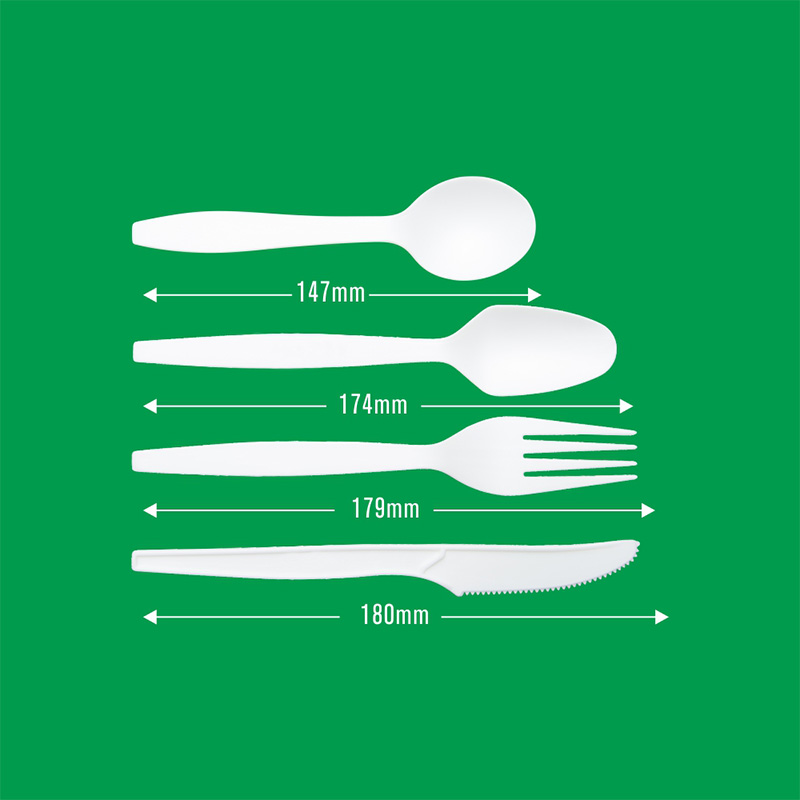 PLA Disposable Knife, Fork, and Spoon SetsA plant-based disposable cutlery set with knife, fork, and spoons, useful for buyers comparing biodegradable and compostable material claims before specifying foodservice packaging.View Product →
PLA cutlery illustrates the gap clearly. It is plant-based, but plant-based does not mean “breaks down in any garden.” PLA needs microbial activity and sustained heat to compost within a useful timeframe. In a cool home pile, it may remain intact far longer than a food scrap. That is why packaging buyers should ask for the certificate number and the tested endpoint, not just the word “compostable.”
The Four Conditions That Decide the Outcome
Composting is a biological process. Four variables control how quickly tableware disappears: temperature, microbial population, moisture, and oxygen. If one is missing, the process slows or stalls. This is why the same bowl can compost in 90 days at a facility and still be recognizable after a year in a dry, cold backyard bin.
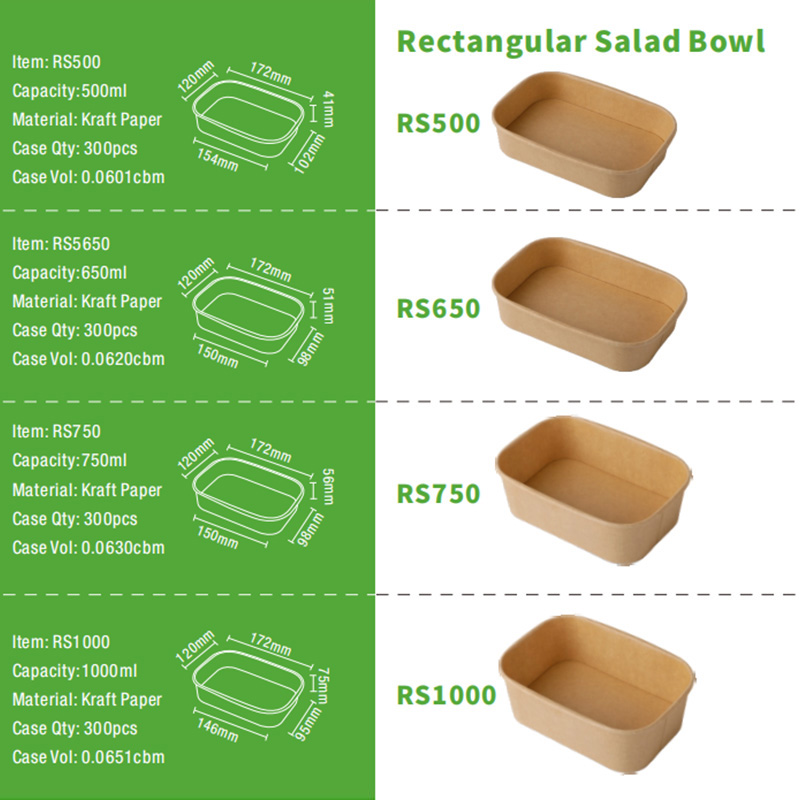 RS500 Rectangular Kraft Salad Bowl, 500 mlA 500 ml rectangular kraft bowl for salads and takeaway meals, with a rigid leak-resistant build and space-efficient shape for delivery bags.View Product →
Heat
Industrial windrows and in-vessel systems hold temperatures that support rapid microbial breakdown. Home piles often sit below the range needed for fast processing.
Microbes
A mature compost pile has an active microbial community. A new bin, sterile soil, or a pile dominated by one material may lack the diversity needed to break down resistant tableware.
Moisture
Too dry and microbes slow down; too wet and the pile turns anaerobic. The target is usually like a wrung-out sponge, not a soaked heap.
Oxygen
Aerobic composting needs air. Turning, bulking agents, and proper pile structure keep oxygen moving through the material.
For the buyer, the operational lesson is straightforward: compostable tableware only performs as promised when the receiving system is designed for it. A venue that offers front-of-house composting but sends contaminated loads to landfill has not solved the end-of-life problem. A home composting claim must match what the household can realistically maintain.
Certification Labels: The Fastest Way to Avoid a Claim Trap
Certification is the most practical screening tool because it tells you which environment the product was tested for. Two marks can look similar but point to very different disposal routes.
- Industrial compostability: EN 13432, ASTM D6400, and similar standards usually require testing under controlled composting conditions. They do not automatically mean the item is suitable for a backyard bin.
- Home compostability: TÜV OK compost HOME, NF T51-800, and AS 5810 are examples of claims that address lower-temperature home composting conditions.
- Biodegradable: This word alone does not define a timeframe, environment, or acceptable residue. It is not a disposal instruction.
- Recyclable: Do not treat compostable tableware as recyclable unless the local program explicitly accepts it. Compostable plastics can contaminate recycling streams.
Relative Breakdown Window Under Managed Conditions
The chart is directional, not a guarantee. Product geometry matters too: a thick fork, a laminated bowl, and a thin paper straw do not degrade at the same rate even when they share a material family. Buyers should request test reports for the finished product, not just the raw resin.
Operational Risks for Foodservice and Takeaway Programs
Compostable tableware can support sustainability goals, but it introduces sorting risk. A compostable bowl placed in a recycling bin becomes contamination. A compostable fork mixed into a landfill load loses its intended benefit. Front-of-house staff need clear bin language, and packaging should carry disposal instructions that match local infrastructure.
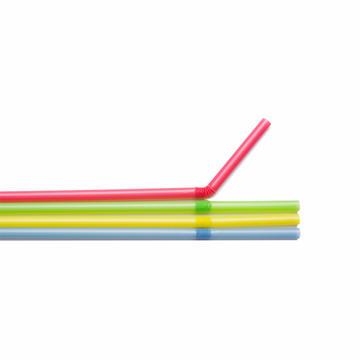
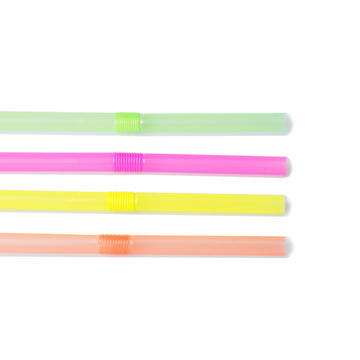
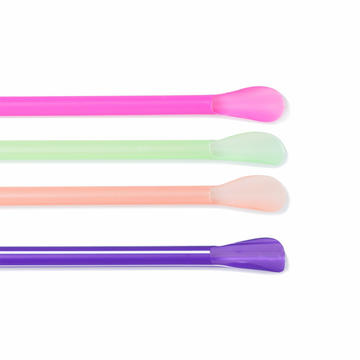
 PLA Bendable Flexible Drinking Straws for FoodserviceFlexible PLA straws for cold, hot, and mixed drinks, available in wholesale packs and suited to cafes, restaurants, and bars coordinating disposable service.View Product →
- Label confusion: “Compostable” without a route is not enough. State whether the item is for industrial composting or home composting.
- Contamination: Food-soiled compostable packaging may be acceptable in organics collection, but only if the local program allows it.
- False infrastructure assumptions: A city may collect food scraps but still reject compostable cutlery. Check the accepted materials list.
- Storage damage: Moisture and heat can distort paper and PLA products before use. Keep cases dry and rotate stock.
- Performance trade-offs: Compostable materials may have lower heat tolerance or shorter shelf life than conventional plastics. Match the product to the menu.
For a takeaway program, the strongest approach is a small, verified range: one certified compostable bowl, one suitable lid, one cutlery option, and a clear disposal message. Too many material types create sorting errors. Simplicity improves the chance that the claimed benefit actually happens.
Product Choices That Fit Real Service Conditions
Compostable tableware works best when the product format matches the meal. A salad bowl needs a leak-resistant structure; a hot noodle dish needs heat tolerance; a cold drink needs a straw that holds up without becoming soggy. Material claims should follow performance, not replace it.
Takeaway Salads and Cold Bowls
Kraft paper bowls and bagasse trays suit dry or lightly dressed foods. For wet dressings, check the coating and leak resistance before committing to a full run.
Cutlery Kits
PLA and wooden cutlery can reduce conventional plastic use, but the disposal message must match the material. Wrapped kits need clear outer labeling.
Cold Drinks
PLA straws work for many cold beverages, but prolonged soaking and thick smoothies can test stiffness. Specify the drink type and expected serving time.
Event Service
Events with controlled waste collection can use certified compostable plates and bowls more effectively than venues without organics separation.
Product selection should also consider storage humidity, shipping compression, and the serving temperature of the food. A compostable plate that performs well at a cool buffet may fail under a hot lamp. These are practical tests, not marketing claims.
FAQ: Home Composting and Industrial Composting Questions
Does “compostable” on the package mean I can put it in my garden bin?
Not always. Look for a home-compost certification. Industrial compostability standards such as EN 13432 or ASTM D6400 are designed around controlled facility conditions, not a backyard pile.
Can compostable tableware go into recycling?
Usually no. Compostable plastics and lined paper can interfere with recycling. Follow the local program. If organics collection is available, use the route named on the product certification.
What if there is no industrial composting facility nearby?
Then an industrially compostable product may not deliver its intended end-of-life outcome. Choose a home-compostable product only if the user can maintain a proper pile, or select a material accepted by the local waste system.
Is bagasse always home-compostable?
No. Bagasse is a plant fiber, but finished bowls and trays may include binders or coatings. The certificate for the finished product is the reliable evidence.
Can compostable plates handle hot food?
It depends on the material and construction. Some paper and bagasse products handle hot, dry foods well; PLA has lower heat tolerance. Test with the actual menu temperature and holding time.
Why do some compostable forks remain intact after months?
They may be in a cold, dry, or inactive pile, or they may be certified only for industrial composting. Breakdown needs heat, moisture, oxygen, and microbes. A landfill is not a composting environment.
A Buyer’s Field Checklist
- Ask for the finished-product certificate, not only the raw material data sheet.
- Confirm whether the claim is industrial composting or home composting.
- Match the product to the actual collection route available at the venue or household.
- Check heat tolerance, leak resistance, and shelf life against the menu and storage conditions.
- Print disposal instructions that match local rules, and train staff on bin placement.
- Keep compostable packaging out of recycling unless the local program explicitly accepts it.
- Run a small trial before a full launch, including storage, serving, and end-of-life checks.