 English
 中文简体
中文简体Comparison Between Disposable Paper Cups and Plastic Cups
As environmental concerns become increasingly important, consumers are becoming more cautious when choosing disposable products. Disposable paper cups and plastic cups are commonly used items, but is one really more eco-friendly than the other? This article will provide a professional analysis of the environmental differences between disposable paper cups and plastic cups, focusing on production, after-use treatment, and overall environmental impact.
Eco-friendliness in the Production Process
In the production process, paper cups and plastic cups have different raw material sources. Disposable paper cups are primarily made from paper pulp, which has a certain environmental advantage over plastic cups, which are made from petroleum-derived materials like polypropylene or polyethylene. The production of paper cups requires less energy, and paper as a raw material is a renewable resource. However, chemicals such as bleaching agents and other additives are used in the production of paper cups, which can affect their environmental friendliness.
In contrast, plastic cups are produced from petroleum resources, leading to significant environmental negative effects. The extraction, transportation, and processing of petroleum produce large amounts of greenhouse gas emissions, and plastic materials themselves are non-biodegradable, causing long-term pollution.
Coating Issues in Disposable Paper Cups
Although disposable paper cups are made primarily from paper, they are usually coated with polyethylene (PE) or other plastic coatings on the inside to prevent liquid leakage. This coating complicates the recycling process. PE is not biodegradable, leading to a low recycling rate for paper cups, and many of them end up in landfills.
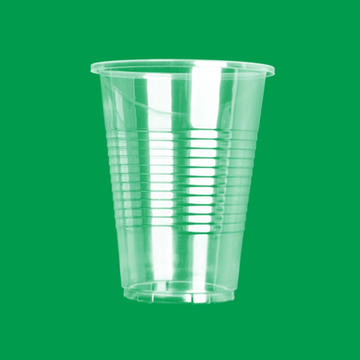
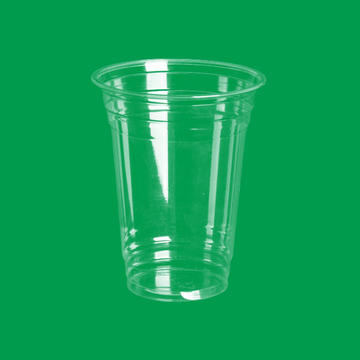
Plastic cups do not require such coatings. While they may contain other types of plastic additives, plastic cups are generally easier to recycle than coated paper cups. With proper recycling facilities, plastic cups can be recycled and transformed into new plastic products, reducing environmental burden.
Post-Use Disposal
When it comes to disposal, the differences between paper and plastic cups become more evident. Due to the coating, paper cups, while made of paper on the outside, cannot be recycled like ordinary paper. Most paper cups end up in landfills, resulting in waste of resources and environmental pollution. Only a few places have recycling systems that can handle coated paper cups effectively.
Plastic cups, while also facing recycling challenges, are easier to recycle compared to paper cups. With the proper recycling system in place, plastic cups can be converted into new plastic products, reducing the environmental impact.
Long-Term Environmental Impact
Paper cups are often considered more eco-friendly than plastic cups because paper, as a natural material, breaks down more easily. However, this view fails to account for the coating issue. Although the exterior material of paper cups is paper, the plastic coating makes the decomposition process more complex and requires a long time to fully degrade.
Plastic cups take much longer to break down and can take hundreds of years to decompose in the environment. The release of plastic particles can have serious consequences on water sources, soil, and ecosystems. Therefore, plastic cups pose a more lasting environmental hazard, and plastic pollution has become a major global environmental issue.
Public Awareness and Recycling Systems
The environmental impact of both paper and plastic cups is also heavily influenced by public awareness and the effectiveness of recycling systems. If recycling systems are inadequate, both paper and plastic cups will contribute to environmental pollution. Paper cups face greater challenges in recycling due to the coating issue, while plastic cups are comparatively easier to recycle. However, excessive use of plastic products still exacerbates global plastic pollution.
Industry Transformation and Sustainable Development
With the increasing strength of environmental regulations, many brands and manufacturers are adopting biodegradable materials to replace traditional plastic and paper coatings. For example, some brands have introduced coating-free paper cups or bio-based coatings, significantly improving the environmental friendliness of paper cups. In the case of plastic cups, the emergence of biodegradable plastics provides new possibilities for solving plastic pollution.