 English
 中文简体
中文简体Solid Serving Spoon General Purpose
A solid spoon retains both food and sauce. It is suitable for rice, mashed potatoes, cooked vegetables and casserole dishes.
Bowl shape: broad and shallow Drainage: none Portion control: medium to high

Food Service Tools and Selection Guide
Serving utensils are tools designed to portion, lift, transfer, mix or present food without requiring direct hand contact. The correct utensil depends on the food texture, serving container, temperature, portion size and hygiene requirements.
Basic Definition
Serving utensils are food-contact tools used to move food from a preparation container, buffet tray, bowl or platter to an individual plate or serving dish. They are normally larger than personal eating utensils and are shaped to handle specific foods more efficiently.
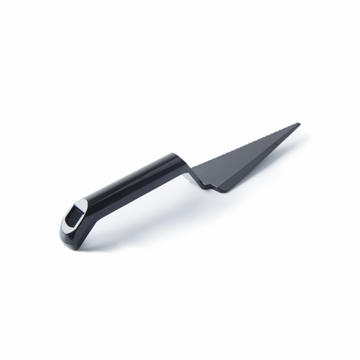
Utensils serving hot soup require different structural features from utensils used for salad, cake, pasta or sliced meat. A soup ladle needs a deep bowl and a long handle. Salad tongs need a gripping structure. A cake server requires a broad, flat blade that can support a soft portion without breaking it.
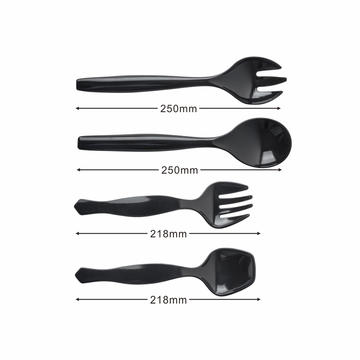
The term serving utensil set usually refers to a coordinated group of tools intended for several serving tasks. A set may include a serving spoon, slotted spoon, serving fork, ladle, cake server and food tongs.
Move food from one container to another.
Control the amount served to each person.
Separate solid food from liquid or sauce.
Hold food securely during serving.
Maintain the appearance and shape of food.
Combine ingredients before portioning.
Names and Terminology
Serving utensils may be identified by their function, shape or the food they are intended to handle. General terms include food servers, serving tools, buffet utensils, table serving utensils and food service utensils.
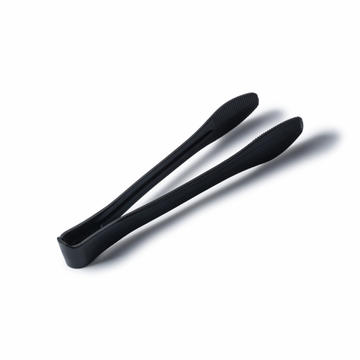
The correct name normally reflects the task. A deep-bowl tool is usually called a ladle, a perforated spoon is called a slotted spoon, and a two-arm gripping tool is called a pair of serving tongs.
Spoon Classification
Serving spoons are available in several shapes because liquids, grains, vegetables, sauces and desserts do not behave in the same way. Bowl depth, edge shape, perforation pattern and handle length should match the food.
A solid spoon retains both food and sauce. It is suitable for rice, mashed potatoes, cooked vegetables and casserole dishes.
Slots or holes allow excess liquid to return to the tray while the solid food remains in the spoon.
A deeper bowl holds food together with gravy, dressing or sauce and reduces dripping during transfer.
A longer handle improves reach into deep trays and helps keep hands away from hot food and serving surfaces.
A consistent bowl capacity helps serve similar quantities across multiple portions.
Single-Use Applications
Disposable serving utensils are useful where rapid setup, simple distribution and reduced washing requirements are priorities. They are commonly selected for catering, outdoor meals, tasting events, temporary food stations and packaged meal service.
Single-use does not remove the need for proper selection. Disposable serving utensils must still have enough rigidity to lift food without bending. The handle should remain comfortable during use, and the bowl, fork or gripping section should suit the intended food.
Disposable tools intended for hot foods should be evaluated for temperature resistance. A utensil that performs well with salad may soften when used with hot soup, sauce or cooked food.
Material Selection
Plastic serving utensils are lightweight, easy to distribute and available in many shapes. Their performance depends on material type, thickness, rib structure, handle design and intended food temperature.
| Evaluation Point | What to Check | Why It Matters |
|---|---|---|
| Food-contact suitability | Material intended for contact with food | Helps prevent unsuitable materials from contacting food |
| Heat resistance | Recommended operating temperature | Reduces softening or deformation with hot food |
| Handle stiffness | Thickness, reinforcing ribs and overall length | Improves control when lifting dense food |
| Surface finish | Smooth edges and clean molding | Improves comfort and reduces food retention |
| Color consistency | Uniform pigmentation without visible contamination | Supports product consistency and appearance |
| Food compatibility | Suitability for oily, acidic, cold or hot food | Different foods place different demands on the material |
Plastic serving utensils should not be used beyond their specified temperature range. Visible warping, cracking, rough edges or unusual odor are reasons to stop using the utensil.
Quantity Planning
There is no single number that applies to every meal, buffet or food station. A practical rule is to provide at least one suitable serving utensil for each separate food item or container.
Additional utensils may be needed when the same food is offered at more than one serving point, when utensils must be replaced during service, or when allergen separation is required.
Each tray should have its own utensil.
Guests can serve from both sides without moving one tool.
Do not share the same utensil with other foods.
Replacements support hygiene and continuous service.
A utensil should not be shared between raw and cooked foods. Separate tools should also be used where cross-contact between allergens or strongly flavored foods must be controlled.
Serving Practice
The phrase “how to serve utensils” may refer to how utensils should be placed for guests or how the utensils should be used during food service. Both placement and handling affect hygiene and convenience.
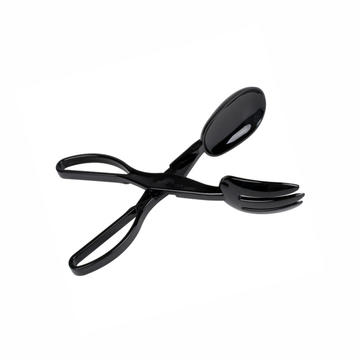
Use ladles for liquids, tongs for gripping, slotted spoons for draining and flat servers for cake or pie.
The gripping area should remain outside the food container whenever possible.
Use a utensil rest, dedicated holder or tray edge designed to prevent the utensil from falling into the food.
Moving one utensil between foods can transfer flavors, sauces, allergens and microorganisms.
A utensil that falls onto an unclean surface should be replaced rather than returned directly to service.
Handle accessible, food-contact end protected and utensil matched to the tray.
Handle touching food, utensil resting on an unclean surface or one tool shared across dishes.
Storage and Handling
Clean serving utensils should be stored in a dry, protected area that reduces exposure to dust, moisture, chemicals and handling contamination. The food-contact end should remain covered or positioned so that it is not touched unnecessarily.
Reusable utensils should be washed, rinsed and fully dried before being placed in storage.
Used utensils should not be returned to the same container as clean serving utensils.
Store the bowl, blade or gripping end inside a clean covered compartment when possible.
Heavy stacking can bend plastic utensils or damage the edge of thinner serving tools.
Plastic serving utensils should be kept away from high temperatures and prolonged direct sunlight.
Disposable serving utensils should remain in their original protective packaging until needed.
Material and Color Questions
Black serving utensils can be safe when they are manufactured from suitable food-contact materials, used within the recommended temperature range and kept in good condition.
Color alone does not determine whether a utensil is suitable for food service. Material composition, pigment quality, manufacturing control, heat resistance and product testing are more important than appearance.
Black plastic serving utensils should be inspected for cracks, rough edges, discoloration, warping and unusual odor. Damaged tools can become difficult to clean and may no longer perform as intended.
A black serving utensil should not be exposed to temperatures above its specified limit. High heat can soften some plastics, reduce handle stiffness or permanently deform the food-contact section.
Product Selection
A serving utensil set should cover the actual dishes being served. A larger number of pieces does not automatically make a set more practical. The most useful set contains the right tools for the intended food.
Recommended Set Structure
Manufacturing Options
Serving utensils can be configured according to material, size, handle style, food-contact shape, color, packaging quantity and intended serving temperature.
Frequently Asked Questions
They are larger food-contact tools used to portion, lift, drain, grip or transfer food from a serving container to a plate.
They may be called serving tools, food servers, buffet utensils or table serving utensils. Individual names include ladles, serving spoons, forks, tongs and cake servers.
Common names include serving spoon, slotted spoon, ladle, serving fork, salad tongs, pasta server, cake server and rice paddle.
Common options include solid spoons, slotted spoons, deep serving spoons, buffet spoons and portion-control spoons.
At least one suitable utensil should be provided for each separate food item or container. Additional utensils may be needed for duplicate stations, replacements and allergen control.
They can be safe when made from suitable food-contact materials and used within the recommended temperature range. Color alone does not determine safety.
Keep them dry, covered and inside clean protective packaging until use. Store them away from heat, chemicals, dust and strong odors.
Only when the material and product design are intended for the required temperature. Utensils that soften, bend or deform should not remain in use.
Serving Tool Selection
Compare spoon, fork, tong, ladle and serving utensil set options for different food service requirements.
PLA straws have significant advantages in raw material selection, which stems from their u...
The biodegradability of PLA straws is one of its significant advantages in the field of en...
Disposable PP Cutlery is an upstart in the catering industry, and its lightweight design h...
Copyright © Changya New Material Technology Co., Ltd.All Rights Reserved.
China Paper PLA & Plastic Disposable Dinnerware Manufacturers
