 English
 中文简体
中文简体Switching to wooden cutlery sounds like a simple sustainability win. But after testing samples from multiple suppliers and running field trials with catering clients, we've found the reality is more complicated. The disadvantages of wooden cutlery aren't just minor annoyances—they impact cost per meal, customer satisfaction, and even kitchen operations. Here's what those drawbacks actually mean in practice.
The Core Disadvantages of Wooden Cutlery
Wooden cutlery has gained traction as a natural-looking alternative, but it comes with structural and practical limitations that plastic or PLA options do not. Below we break down each disadvantage by its direct impact on users and businesses.
Cost Per Unit
Wooden cutlery typically costs 2-3 times more than standard plastic alternatives. For high-volume operations, this adds up fast.
Durability Limits
Natural birch wood lacks the tensile strength of polypropylene. It can snap when spearing firm vegetables or scooping frozen desserts.
Moisture Sensitivity
Wood is hydrophilic. Prolonged contact with soups, sauces, or high-humidity environments causes swelling and softening.
Splinter Risk
Even well-sanded pieces can develop raised fibers or tiny splinters during use, especially after absorbing moisture.
Breaking Down the Key Disadvantages
1. Higher Cost in Bulk Purchasing
Wooden cutlery is more expensive to produce than plastic because raw birch must be harvested, dried, cut, sanded, and sorted. According to industry data, a case of 1,000 wooden forks can cost between 30% to 50% more than an equivalent case of PP forks. For a quick-service restaurant serving 500 meals per day, that difference can exceed several hundred dollars monthly.
2. Poor Durability with Hot or Hard Foods
Wooden forks often fail when piercing dense foods like steak, hard vegetables, or thick cake layers. The tines can break off under lateral stress. Wooden knives commonly struggle to cut through anything firmer than soft cheese or bread. This limitation reduces acceptability for certain menu items, forcing operators to keep a backup supply of sturdier cutlery.
3. Unpleasant Taste and Texture Transfer
Natural wood contains tannins and lignin that can impart a woody, slightly astringent taste, especially when used with hot foods. Some users report a dry, fuzzy mouthfeel from the untreated wood surface. This is not a manufacturing defect, but a material property that can detract from the dining experience.
4. Absorbency and Hygiene Concerns
Wood is absorbent by nature. Oils, sauces, and food residues can penetrate the surface. While single-use disposable cutlery is not reused, the absorbency means that cutlery used with oily foods can become soft and lose structural integrity within minutes. Bacteria can also thrive in the porous surface if cutlery is stored in humid conditions before use.
5. Splinters and Surface Defects
Despite sanding, wooden cutlery can develop splinters during packaging or handling. In our quality checks, around 1-2% of birch spoons showed visible raised fibers. For consumers, a splinter on the lip or tongue is a strong negative experience that can drive brand complaints.
6. Manufacturing Variability
Because wood is a natural material, each batch has slight differences in grain density, moisture content, and hardness. This inconsistency makes it harder to guarantee uniform quality compared to injection-molded plastics or PLA. Businesses ordering large quantities must carefully vet suppliers for consistent sanding and grading.
Practical Impact on Food Service Operations
| Disadvantage | Effect on Quick Service | Effect on Catering |
|---|---|---|
| Higher cost | Reduces per-meal margin by $0.02-$0.05 | Increases event budget by 20-40% |
| Low durability | Needs backup cutlery for certain items | May require additional serving tools |
| Taste/odor transfer | Higher complaint rate with hot soups | Noticed more with salad dressings |
| Absorption | Cutlery fails after 5-10 min in sauce | Swelling visible during buffet service |
| Splinter risk | Increases liability concerns | Potential food safety issue |
When Wooden Cutlery Falls Short Compared to Other Materials
Wood vs. Plastic (PP) Cutlery
Standard polypropylene (PP) forks and spoons offer much higher strength-to-weight ratio. They resist breaking even with dense foods, do not splinter, and are unaffected by moisture for the duration of a meal. However, PP is fossil-fuel-derived and less biodegradable in typical landfill conditions.
Wood vs. PLA Cutlery
PLA (polylactic acid) cutlery is made from plant-based starches and can be composted in industrial facilities. PLA forks are stronger than wooden ones and do not absorb liquids or impart taste. But PLA cannot withstand high heat (melting point around 110°F/43°C), whereas wood handles heat better but softens with moisture.
Wood vs. Paddy Fiber Cutlery
Paddy fiber options offer another plant-based alternative with higher durability than wood and a neutral taste. Because paddy fiber is a byproduct of rice milling, its raw material cost is often lower than virgin birch, making it a more economical sustainable choice for many operators.
For businesses weighing material choices, comparing the strengths of different cutlery materials helps in selecting the best option for specific menu items and budget constraints.
Storage and Handling Challenges
Wooden cutlery requires specific storage conditions. Birch cutlery stored in environments with more than 60% relative humidity can absorb moisture, leading to warping or microbial growth before use. Operators in coastal climates or with unsealed storerooms have reported issues with cutlery sticking together or developing mold spots within weeks of delivery. Correct handling and storage of wooden utensils is essential to prevent spoilage and maintain product integrity.
FAQ: Common Questions About Wooden Cutlery Drawbacks
Can wooden cutlery be used in the microwave?
No. Wooden cutlery should not be microwaved. The moisture within the wood can heat unevenly, causing the cutlery to crack, warp, or even smoke. PLA and PP cutlery are more suitable for microwave use when needed.
Why does wooden cutlery sometimes taste like wood?
Wood naturally contains lignin and tannins that are released when the cutlery contacts hot or acidic foods. This is a material characteristic, not a defect. The taste is more noticeable with birch than with some other woods, but can be reduced by selecting cutlery with finer sanding or light heat treatment.
Is wooden cutlery truly compostable?
Yes, untreated birch cutlery is fully compostable in industrial facilities, typically breaking down within 90 days. However, it does not decompose quickly in a home compost pile or in a landfill environment, where anaerobic conditions slow degradation. This is an important distinction for operators trying to align with local composting regulations.
What is the difference between birch and bamboo cutlery?
Bamboo cutlery is denser and more moisture-resistant than birch, but it also costs more and is heavier. Bamboo also has a harder surface that can dull knives over time if reused. For single-use applications, birch remains more common due to lower cost and lighter weight.
Can disposable wooden cutlery be washed and reused?
Technically yes, but it is not recommended. Washing removes the surface finish, encourages water absorption, and creates an environment for bacterial growth. The cutlery will swell, split, and lose integrity after one wash. Disposable wooden cutlery is designed for single use only.
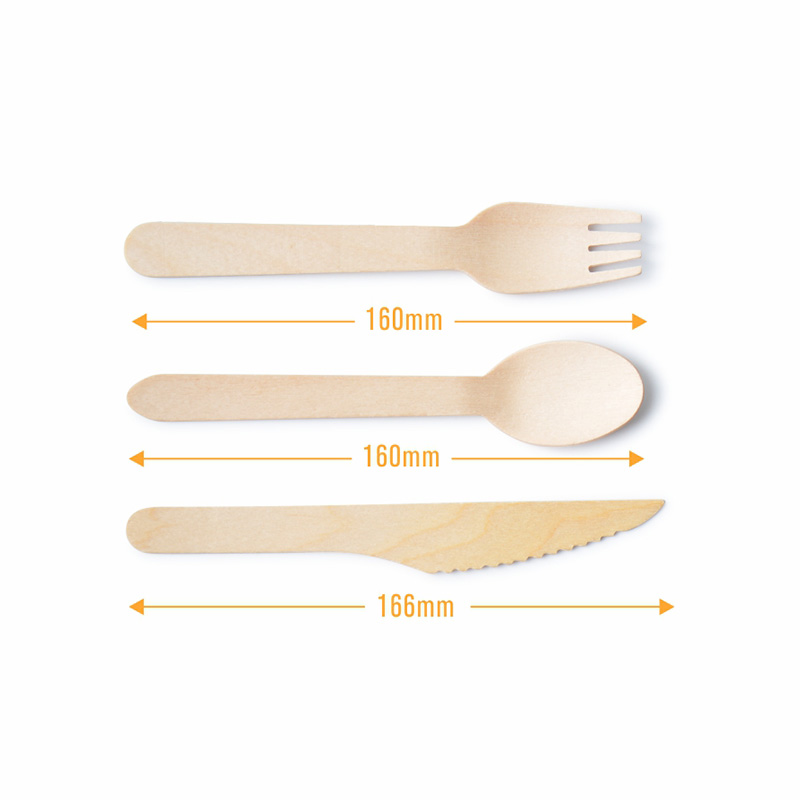 Disposable Biodegradable Birch Cutlery SetDisposable Biodegradable Birch Cutlery SetView Product →
 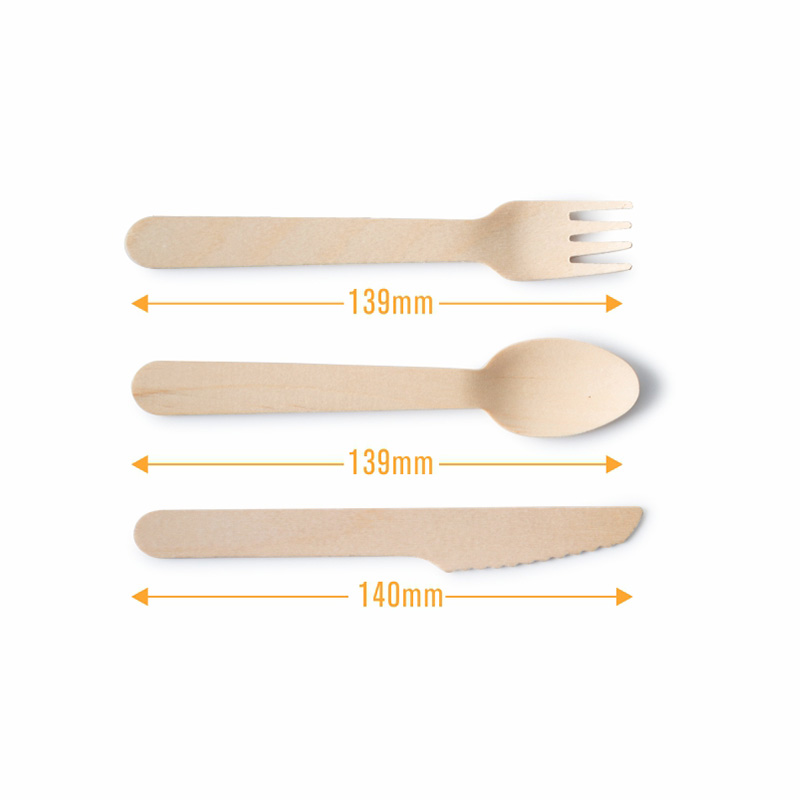 3-Piece Disposable Birch Cutlery SetDisposable Biodegradable Birch Cutlery SetView Product →