 English
 中文简体
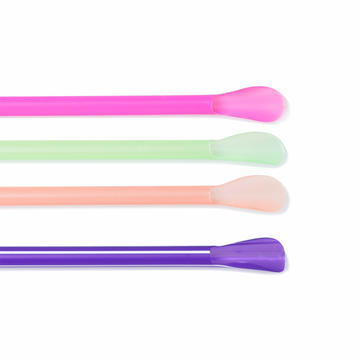
中文简体With the rapid development of the global foodservice industry and changing consumer lifestyles, the demand for disposable plastic PS dessert cutlery sets continues to grow. PS plastic (polystyrene) is widely used for manufacturing disposable cutlery due to its low cost, durability, and high transparency. However, market demand varies across regions due to factors such as culture, economic development, and environmental regulations. This article explores the market demand trends for disposable PS dessert cutlery in different regions and the factors influencing these trends.
North American Market Demand Trends
In North America, especially in the United States and Canada, the demand for disposable PS dessert cutlery is driven mainly by the foodservice industry, retail, and household consumption. In recent years, the rise of fast food and take-out culture has boosted the use of disposable cutlery. However, as environmental regulations have become stricter, the demand for PS plastic cutlery is facing some pressure in North America. Many states and cities have implemented bans on single-use plastic products, which has slowed the growth of the traditional PS plastic cutlery market.
For example, some regions have started promoting biodegradable plastic or paper-based alternatives to replace PS plastic. These environmental regulations have reduced the demand for PS plastic cutlery but have also led companies to develop more eco-friendly materials to adapt to changing market needs.
European Market Demand Trends
In Europe, the demand for disposable PS dessert cutlery is also significantly influenced by environmental regulations. The European Union has been at the forefront of environmental initiatives, and in 2019, the EU passed the "Plastic Strategy," which mandates that by 2021, all single-use plastic products must be recyclable or biodegradable. This regulation has put increasing pressure on the use of PS plastic cutlery, and demand is gradually being phased out in favor of more sustainable alternatives.
Despite this, demand for PS plastic dessert cutlery still exists in regions that are less regulated. In particular, during occasions like take-out services, festivals, and celebrations, PS plastic cutlery remains popular. To adapt to this shift, many companies are now developing and promoting PS plastic products that meet environmental standards to maintain market share.
Asian Market Demand Trends
In Asia, particularly in countries like China, India, and Southeast Asia, the demand for disposable PS dessert cutlery continues to experience strong growth. As the middle class expands and take-out services become more widespread, the demand for plastic cutlery increases year by year. In these countries, PS plastic cutlery is a preferred choice due to its low cost, strong functionality, and high production efficiency.
However, as environmental awareness increases and government policies change, some Asian countries are beginning to regulate single-use plastic products. For example, China implemented a "Plastic Limit Order" in 2020, which calls for a gradual reduction in the use of single-use plastic products. This has impacted the demand for PS plastic cutlery. Nevertheless, due to the heavy reliance on single-use utensils in these regions, demand is unlikely to shift entirely to eco-friendly alternatives in the short term.
African Market Demand Trends
The demand for disposable PS dessert cutlery in Africa is relatively lower than in other regions. However, as urbanization progresses, consumption levels rise, and take-out services become more prevalent, the demand for PS plastic cutlery is steadily increasing. In countries like South Africa, Nigeria, and Kenya, the market for PS plastic cutlery is expanding at a moderate pace.
Environmental regulations in Africa are less stringent, and the plastic recycling systems in many countries are still underdeveloped. As a result, while demand for PS plastic cutlery continues to grow, the pressure from environmental concerns remains relatively small. However, with the growing influence of international environmental organizations and NGOs, some African countries are beginning to implement stronger regulations on plastic pollution and promote the use of biodegradable alternatives.
Latin American Market Demand Trends
In Latin America, particularly in Brazil, Argentina, and Mexico, the demand for disposable PS dessert cutlery remains high. Similar to Asia, the widespread use of fast food and take-out services in Latin America drives the demand for plastic cutlery. Consumers in these regions continue to favor PS plastic cutlery due to its low cost and functionality.
However, with the rise of environmental movements and gradually tightening government regulations, some countries in Latin America are starting to limit the use of single-use plastics. For example, Brazil and Mexico have enacted policies to ban plastic products and promote the use of recyclable and biodegradable alternatives. This has led to a gradual decline in PS plastic cutlery demand, and the market is beginning to shift towards more eco-friendly materials.
Global Market Future Trends
On a global scale, while demand for disposable PS dessert cutlery remains strong in many regions, the increasing stringency of environmental regulations and the growing consumer demand for sustainable products are driving a market transformation. Governments worldwide are tightening policies to limit the use of plastic products, which is pushing the industry toward more sustainable solutions.
Nonetheless, PS plastic cutlery will continue to hold a significant share in certain markets, especially in developing countries and regions where disposable cutlery is heavily relied upon. Companies in these regions will face two major challenges: adapting to changing environmental policies and finding a balance between cost and performance to meet the needs of diverse markets.