 English
 中文简体
中文简体With the continuous growth in global demand for high standards of hygiene and practicality in the food and beverage market, the choice of beverage packaging materials has become a core consideration for corporate operations. Among numerous beverage accessories, disposable straws, as a conventional configuration to guarantee the drinking experience, directly affect end-user satisfaction through their material mechanical performance, liquid tolerance, and supply chain stability. This article will provide a professional technical analysis of the mainstream straw types available on the market and offer quantitative parameter comparisons to assist enterprises in making optimal product selections.
Physical Performance and Application Scenario Analysis
In traditional catering and high-frequency beverage consumption scenarios, disposable plastic straws have long maintained a significant market share due to their excellent physical stability and high cost-effectiveness. These straws are typically manufactured from thermoplastic plastics such as polypropylene (PP) via an extrusion molding process. They possess extremely strong waterproof and moisture-proof performance, maintaining their original structural strength without softening, deforming, or delaminating even when immersed in acidic beverages such as citrus juices or high-sugar liquids for extended periods.
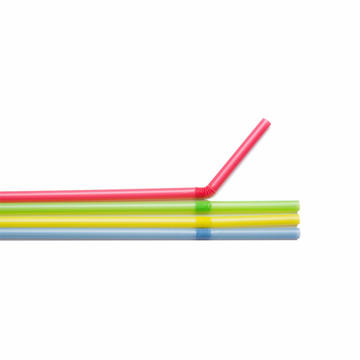
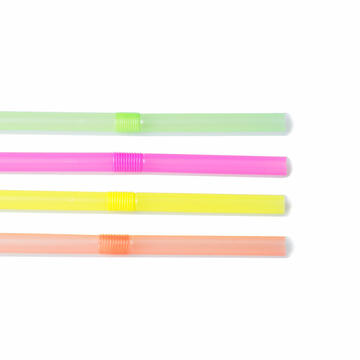
Furthermore, plastic disposable straws demonstrate irreplaceable functional design in specific drinking scenarios. For example, corrugated plastic flexible straws, made through precise mechanical pleating processes, allow the upper section of the straw to bend freely 360 degrees without creating creases or blocking the flow channel. This design not only enhances drinking convenience but has also become a technical standard in hospital care, children's beverages, and specialized angled packaging integrations.
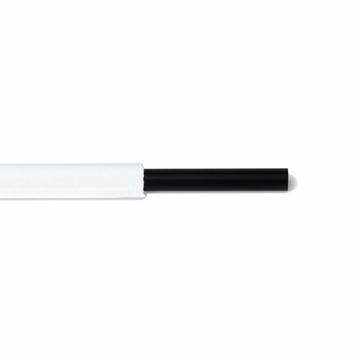
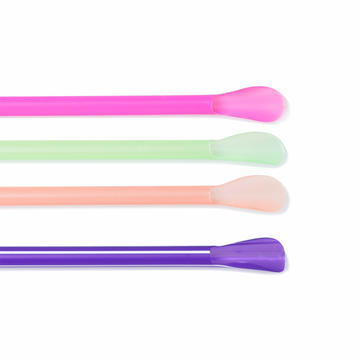
For standard cold drinks, carbonated beverages, and milk teas that require high circulation and high consumption, standard specification disposable drinking straws provide uniform tube wall thickness and tensile strength. Regardless of the liquid viscosity encountered, the smooth inner wall ensures that fluid resistance is minimized, achieving a smooth drinking experience.
Technical Breakthroughs and Feasibility of Eco-Friendly Materials
Along with the advancement of environmental regulations, market demand for recyclable straws and biodegradable alternatives has surged. Current material science focuses primarily on solving the physical defects of eco-friendly materials regarding water resistance and temperature tolerance.
New eco-friendly alternative materials include polylactic acid (PLA) and modified paper materials. However, from the perspective of actual usage parameters, significant differences still exist between traditional plastic disposable straws and various new types of straws across multiple physical indicators. Enterprises must evaluate based on the actual storage and usage environment during product selection.
The following is a comparison of core technical parameters for mainstream straw materials:
-10°C to 120°C -10°C to 100°C -10°C to 50°C 0°C to 60°C Greater than 72 hours (No softening) Greater than 72 hours (No softening) Greater than 24 hours 2 to 4 hours (Starts weakening) Excellent, can be made into Excellent, supports mechanical bending Brittle, prone to whitening and breaking when bent Cannot achieve corrugated flexible designs 28 - 35 22 - 30 40 - 50 Depends on paper basis weight Recyclable as solid plastic after washing Can be integrated into existing plastic recycling systems Requires industrial composting conditions (180 days) Paper recycling or natural degradation
Quality Control and Compliance Sourcing Standards
When selecting and evaluating disposable drinking straws, corporate quality inspection departments should focus on reviewing the physical safety indicators and chemical migration limits of the products. High-quality products must pass rigorous physical and chemical testing to ensure no harmful substances leach out when used at different temperatures.
Mechanical Strength and Wall Uniformity
Premium straws require real-time monitoring via online infrared thickness gauges on the extrusion production line to ensure that wall thickness tolerances are controlled within plus or minus 0.02 mm. For plastic flexible straws, the corrugation pitch and resilience must undergo fatigue life testing to ensure that the tube wall does not rupture or leak after bending more than 10 times.
Edge Cutting Craftsmanship
The end-face cutting craftsmanship of straws directly affects safe utilization. Whether flat-cut or bevel-cut, high-speed flying knife cutting technology must be utilized to ensure the cuts are smooth, free of burrs, and free of flashes, preventing minor scratches to the human body during use.
Thermal Stability and Chemical Resistance
For scenarios requiring matching with hot drinks, materials with temperature resistance reaching above 100°C must be selected to prevent the straws from producing odors or undergoing creep deformation at high temperatures. At the same time, the materials must pass strict chemical testing for potassium permanganate consumption and heavy metal migration, ensuring extremely high chemical inertness in various media such as acids, alkalis, and oils.