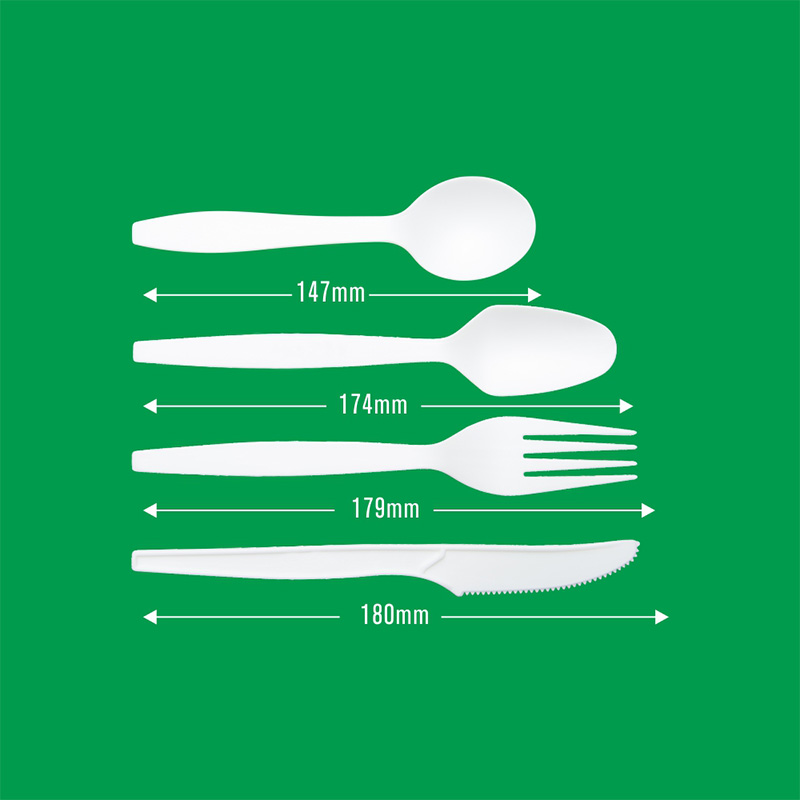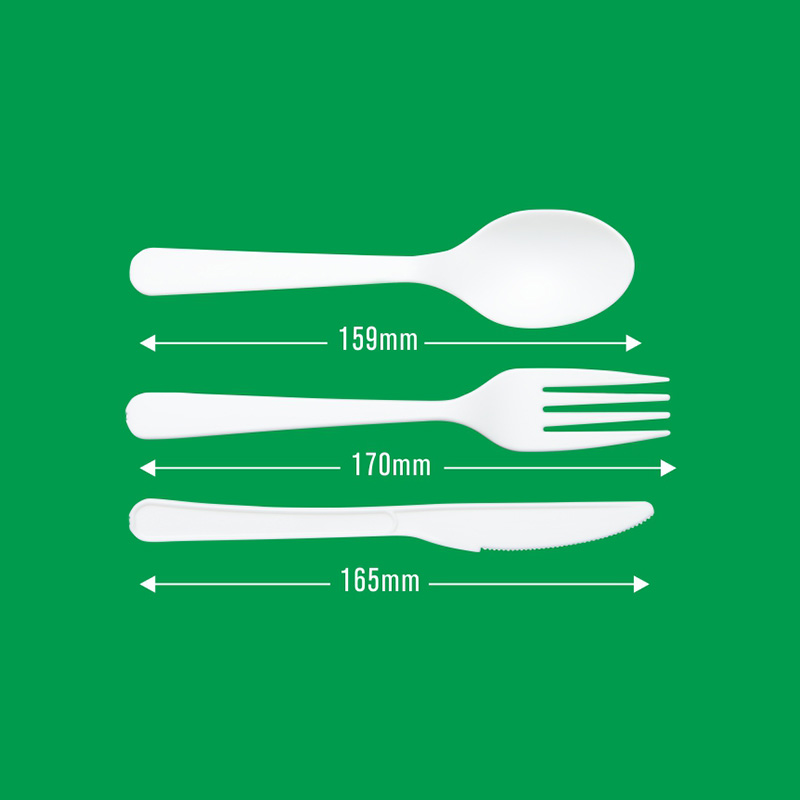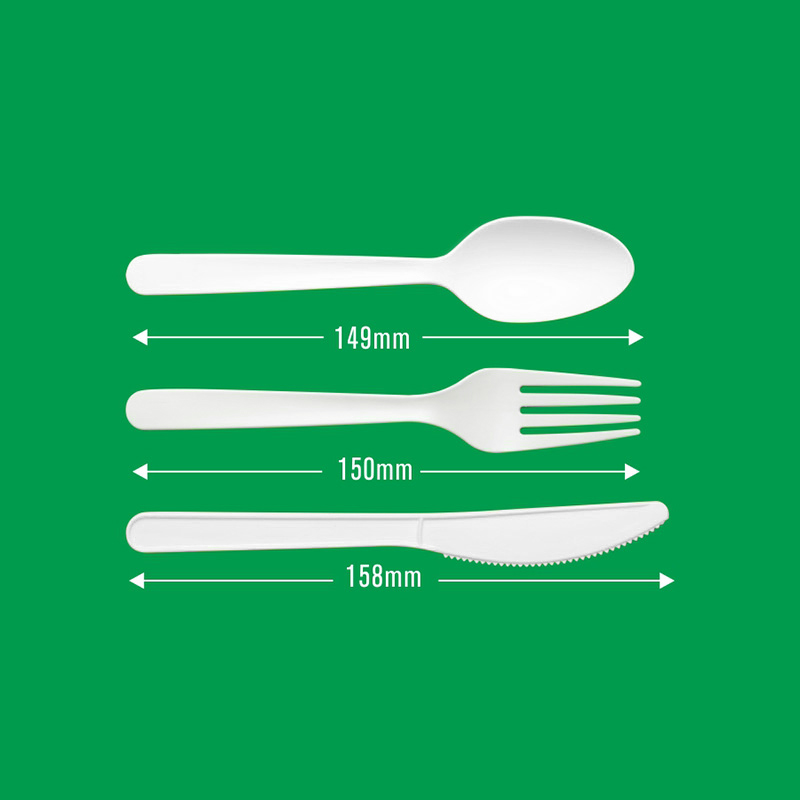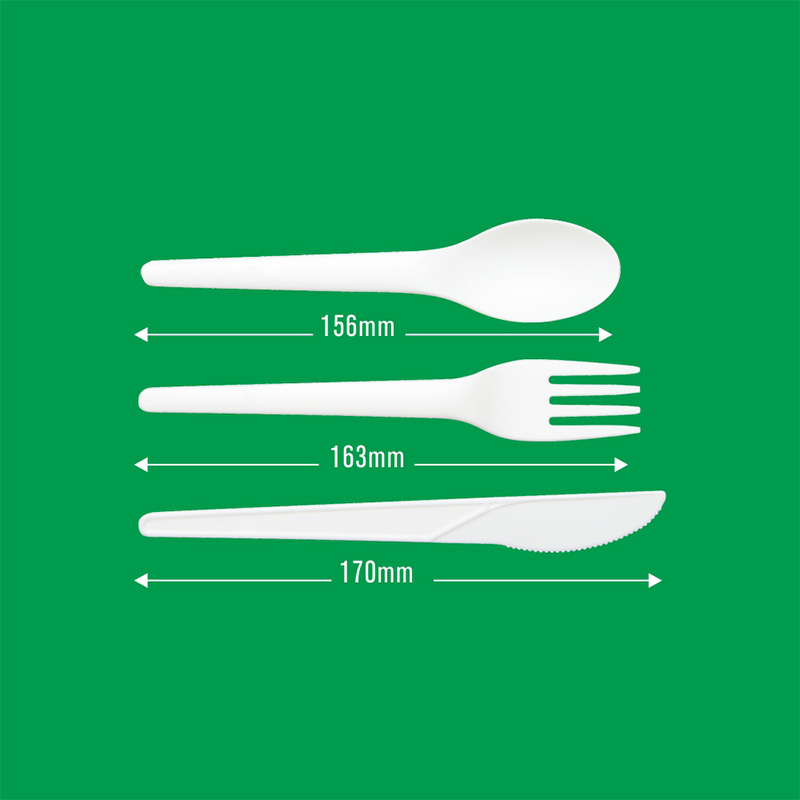
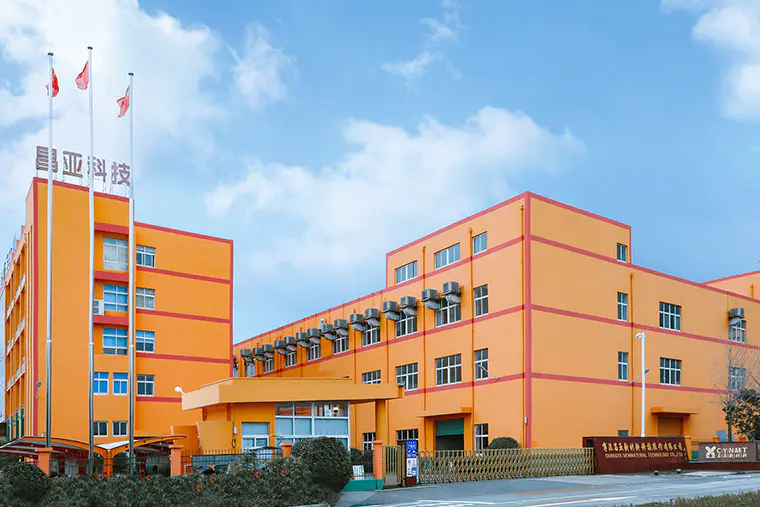
Changya New Material Technology Co., Ltd. was founded in 2013, and the group is headquartered in Ningbo, China. It is a limited liability company integrating R&D, production and sales. As China Disposable PLA Cutlery Manufacturers and Printed PLA Cutlery Suppliers, the company mainly produces paper PLA & Plastic disposable tableware, such as straw, cutlery, microwaveable box, hinged box, cup, carry out bag, plate, dinning kit, etc.
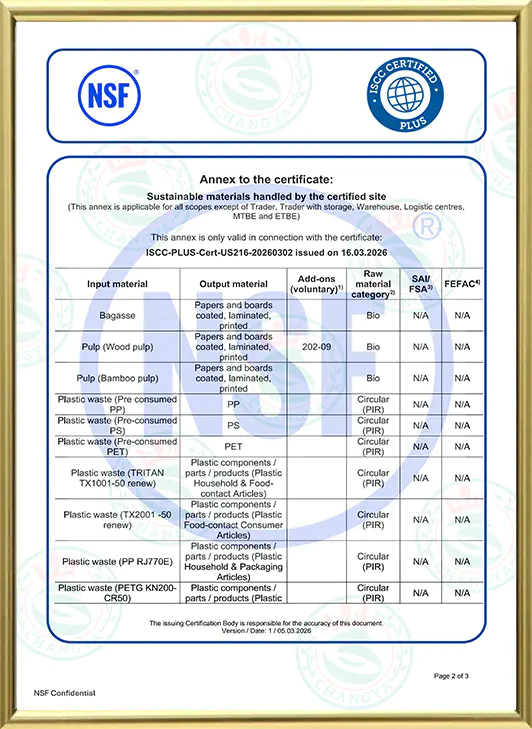
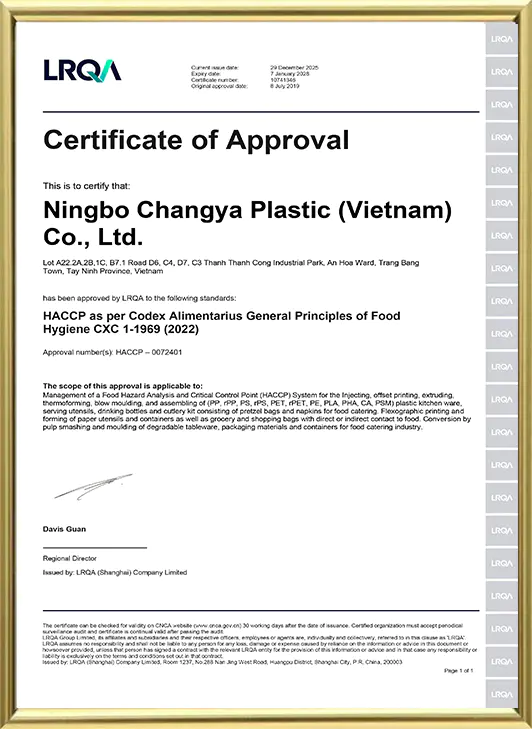
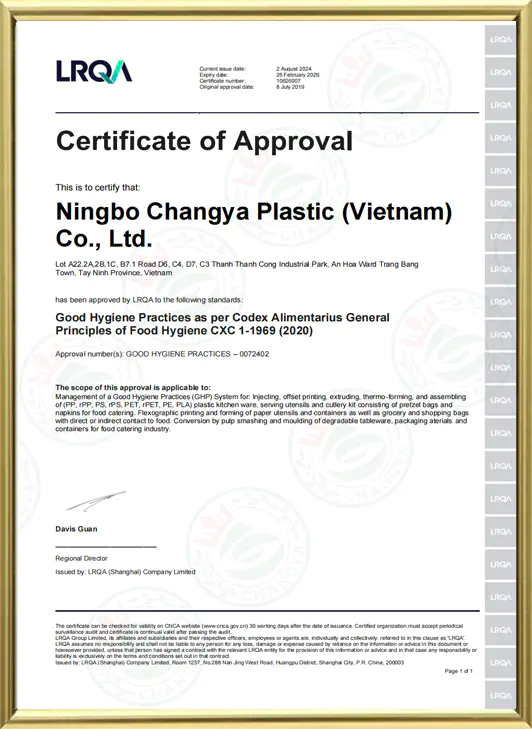
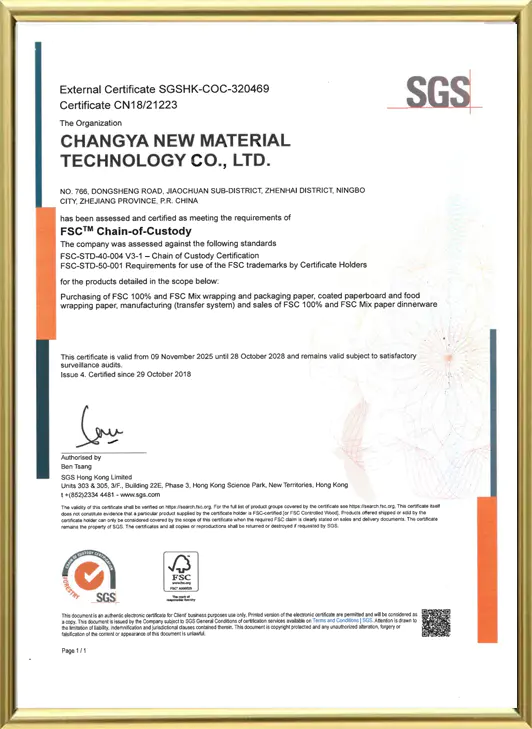
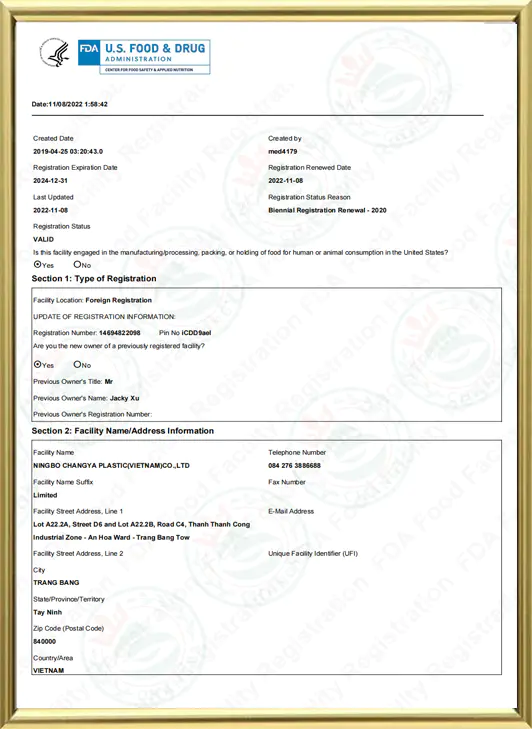
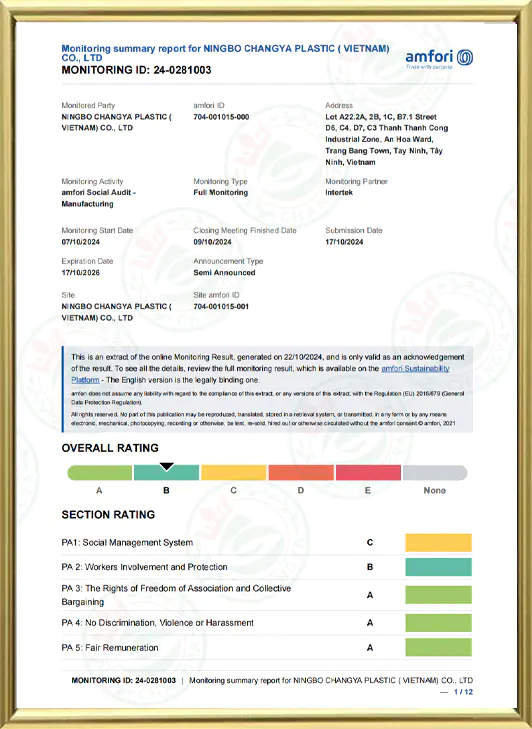
Changya New Material Technology Co., Ltd. has developed rapidly since its establishment, with a growth rate of over 30% each year, and has now become an enterprise in the field of high-quality disposable food and kitchen supplies in China. Changya products are mainly sold in the international market, and more than 90% of the products are exported to many regions such as Europe, the United States, and Australia. Changya adopts strict quality control standards for its products and has won a variety of international certifications, including BRC, GMP NSF, ISO 22000, and GMP, and it has passed LFGB, FDA, and other food safety tests. At the same time, it is a member of the international human rights organizations BSCI and Sedex. It has wide recognition and a good reputation in the international market.
Why Food Carry Out Paper Bags Are a Core Takeout Purchase A takeout order that ...
View MoreWhy the Right Paper Carry Out Bag Matters More Than You Think At the counter, t...
View MoreA weekend brunch rush looks nothing like a Tuesday lunch counter, but the carry...
View MoreWhy Custom Carry Out Paper Bags Are a Brand Touchpoint On a busy Friday night, ...
View MoreTake Out Box Engineering: Structural Design, Material Science and Application G...
View MoreElegant Disposable Dinnerware for Wedding: A Complete Selection Guide Wedding ...
View MorePolylactic acid (PLA) is a type of biodegradable plastic derived from renewable plant-based sources like cornstarch or sugarcane. It is produced through a process called fermentation, where starches are converted into lactic acid, which is then polymerized to create PLA. Unlike conventional petroleum-based plastics, PLA does not rely on fossil fuels, making it a more sustainable alternative.
PLA is commonly used in packaging, textiles, and, more recently, in the production of disposable cutlery. The material is often praised for its ability to break down naturally in composting environments, reducing its environmental impact compared to traditional plastic products.
The choice to use PLA cutlery over traditional plastic is driven by several environmental and practical factors:
Over the past decade, there has been a significant shift toward sustainability in the foodservice industry and beyond. Consumers are more environmentally conscious than ever, looking for ways to reduce their carbon footprint and minimize waste. Governments across the globe are implementing stricter regulations on plastic waste, especially in industries like foodservice and hospitality, where disposable items are prevalent.
As part of this movement, many restaurants, food trucks, caterers, and event planners are adopting PLA cutlery as part of their waste-reduction strategies. This shift is not just driven by consumer demand but also by the growing availability of sustainable alternatives that offer similar performance to traditional plastics.
In addition, advancements in biodegradable materials, like PLA, are helping to accelerate the adoption of eco-friendly alternatives. PLA is part of a larger trend where plant-based, compostable products are replacing single-use plastics. Whether it’s for take-out packaging, cutlery, or straws, PLA is emerging as a widely accepted solution for disposable products.
One of the primary reasons PLA cutlery has gained traction is its eco-friendliness. Unlike conventional plastics, which are derived from fossil fuels and can take centuries to break down, PLA is made from renewable plant-based resources like corn starch or sugarcane. This gives it a significantly lower carbon footprint from production to disposal.
In addition to being produced from renewable resources, PLA is biodegradable and compostable. Under the right conditions (i.e., industrial composting environments), PLA breaks down into natural substances like water, carbon dioxide, and organic matter. This is in stark contrast to traditional plastics, which can persist in landfills for hundreds of years, contributing to long-term environmental damage.
PLA cutlery can be composted, but it requires specific conditions to break down efficiently. Unlike traditional plastics that remain in the environment for hundreds of years, PLA is designed to break down within a few months when exposed to high heat and moisture in industrial composting facilities.
At an industrial composting facility, PLA cutlery is exposed to controlled conditions like heat (above 50°C or 122°F), moisture, and oxygen. Under these conditions, PLA decomposes into non-toxic organic components, leaving behind no harmful residues. In a well-maintained composting environment, PLA will break down within 1–3 months, depending on the facility’s specific processes.
It’s important to note that PLA is not suitable for home composting, as home compost piles typically don’t reach the high temperatures required for optimal decomposition. However, local municipalities and commercial composting facilities are increasingly accepting PLA cutlery for industrial composting.
One of the significant advantages of PLA cutlery over traditional plastic is its non-toxic nature. PLA is free from harmful chemicals such as Bisphenol A (BPA), phthalates, and other potentially dangerous substances often found in petroleum-based plastics. These chemicals can leach into food, especially when plastic items are exposed to heat, raising health concerns. PLA, however, is food-safe and doesn’t pose these same risks.
This makes PLA an excellent choice for food service businesses, as customers and workers can feel confident that the cutlery they use is not only eco-friendly but also safe for consumption. This is especially important in settings where cutlery is used for hot foods, beverages, and takeout.
Although PLA cutlery is designed to be lightweight and disposable, it is still durable and can handle a wide range of food types. PLA cutlery is generally strong enough to handle most food items, including salads, sandwiches, and hot dishes, without bending or breaking easily. However, PLA has some heat limitations, typically able to withstand temperatures up to 120°C (248°F).
For hotter foods and beverages, PLA may start to soften or lose its rigidity, making it less suitable for certain applications (like very hot soup or stews). Nevertheless, PLA is still a far better alternative to traditional plastic utensils, which may not perform well at all when exposed to heat.
The carbon footprint of PLA cutlery is considerably lower than that of conventional plastic. The production of PLA relies on renewable plant-based resources, which absorb CO2 during their growth phase. The manufacturing process also uses less energy compared to petroleum-based plastics. Additionally, PLA cutlery's ability to break down and return to nature reduces the overall environmental impact, unlike plastics that linger in landfills and oceans.
A lifecycle assessment of PLA versus traditional plastics shows that PLA production results in less carbon dioxide emission and uses fewer non-renewable resources, making it a more sustainable option.
Now let’s dive into a comparison of PLA cutlery with other popular disposable alternatives, such as traditional plastic, bamboo, and other compostable materials like sugarcane. This comparison will help illustrate why PLA cutlery is a standout in terms of performance, sustainability, and versatility.
| Feature/Property | PLA Cutlery | Traditional Plastic | Bamboo Cutlery | Compostable Alternatives (e.g., sugarcane) |
|---|---|---|---|---|
| Material Source | Plant-based (cornstarch, sugarcane) | Petroleum-based (fossil fuels) | Plant-based (bamboo) | Plant-based (sugarcane, etc.) |
| Compostability | Industrial composting (breaks down in months) | Non-biodegradable (can persist for hundreds of years) | Biodegradable, compostable (varies by environment) | Industrial composting (breaks down in months) |
| Production Carbon Footprint | Low, renewable resources, energy-efficient | High, made from non-renewable fossil fuels | Low, fast-growing plant (bamboo) | Low, renewable resources (e.g., sugarcane) |
| Heat Resistance | Moderate (up to 120°C / 248°F) | High (can withstand high temperatures) | Moderate (can withstand moderate heat) | Moderate (varies by material) |
| Durability | Moderate (can bend or break under stress) | High (strong and durable) | Moderate (can splinter or crack under stress) | Moderate (depends on material) |
| Aesthetic | Clear, sleek, customizable (logos/branding) | Clear or opaque, customizable | Natural, rustic look (can vary in appearance) | Often white or beige (may vary by material) |
| Safety | Non-toxic, BPA-free, food-safe | May contain harmful chemicals (e.g., BPA, phthalates) | Non-toxic, natural | Non-toxic, natural |
| Environmental Impact | Low, plant-based, biodegradable | High, contributes significantly to pollution | Low, biodegradable, renewable resource | Low, biodegradable, renewable resource |
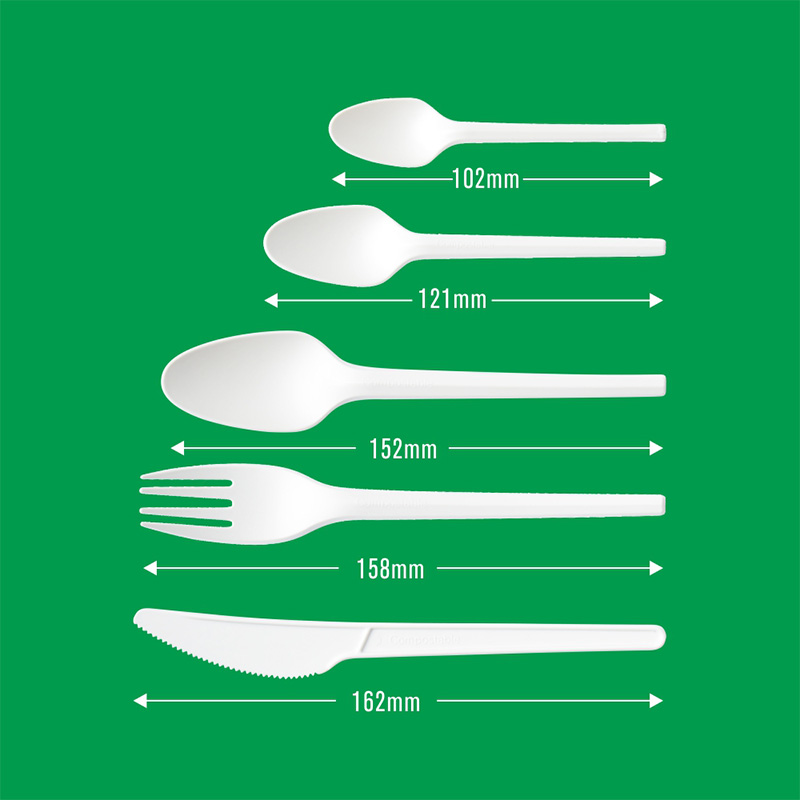
PLA spoons are commonly used in restaurants, cafes, and for take-out services. They are ideal for eating a wide variety of foods, from soups and salads to desserts. PLA spoons are made from the same plant-based material as other PLA cutlery, offering the same benefits of biodegradability, compostability, and food safety.
Key Features of PLA Spoons:
PLA forks are another staple in disposable cutlery options. Like PLA spoons, PLA forks are biodegradable and compostable, making them an environmentally responsible alternative to traditional plastic forks.
Key Features of PLA Forks:
PLA knives are typically used in settings where cutting is required, such as for cutting through cakes, pizzas, or other soft foods. While PLA knives have good strength and are suitable for cutting, they do have limitations compared to traditional plastic knives, especially for tougher foods.
Key Features of PLA Knives:
PLA cutlery sets provide an all-in-one solution for events, catering services, and take-out businesses. A typical PLA cutlery set includes a fork, knife, and spoon, but businesses can also choose to include additional items like napkins, straws, and condiment packets.
Key Features of PLA Cutlery Sets:
Many businesses prefer customized PLA cutlery to add a branded touch to their eco-friendly initiatives. PLA cutlery can be printed with company logos, slogans, or other promotional materials, making it not only sustainable but also an effective marketing tool. Customization options can include:
| Cutlery Type | PLA Cutlery | Traditional Plastic Cutlery | Bamboo Cutlery | Compostable Alternatives (e.g., Sugarcane, CPLA) |
|---|---|---|---|---|
| Spoons | Biodegradable, strong for most foods (soup, salad) | Strong, but can leach chemicals under heat | Can splinter, more fragile than PLA | Biodegradable, sturdy, great for soups and desserts |
| Forks | Moderate strength, can bend with tough foods | Very durable, often too strong for eco-conscious needs | Moderate strength, may bend or break | Sturdy, compostable, strong enough for many foods |
| Knives | Suitable for soft or medium foods (e.g., cake) | Strong, can cut tougher foods like steak | Limited cutting ability, better for softer foods | Can be used for most soft foods but not ideal for cutting |
| Complete Cutlery Sets | Customizable, eco-friendly, ideal for events | Usually non-eco-friendly, often single-use | Often sold as part of eco-friendly kits | Customizable, eco-conscious choice for catering or take-out |
| Customization Options | Logos, colors, eco-messaging, branding | Logos possible, but less eco-friendly | Simple, natural, less scope for customization | Custom logos or printed eco-messages available |
PLA cutlery is widely used in various sectors of the foodservice industry due to its eco-friendly properties and versatility. From restaurants and cafes to catering events and outdoor activities, PLA provides a sustainable option that meets both functional and environmental needs. In this section, we will explore the different applications of PLA cutlery and how it is integrated into various industries.
Restaurants and cafes are some of the most common users of disposable cutlery, especially in take-out, delivery, or buffet-style settings. PLA cutlery offers these businesses an environmentally friendly alternative to traditional plastic utensils.
Key Benefits for Restaurants and Cafes:
Applications:
Catering companies and event planners use PLA cutlery for weddings, corporate events, parties, and other gatherings where disposable cutlery is required. PLA’s biodegradable properties make it an excellent choice for large-scale events where waste management is a concern.
Key Benefits for Catering Events:
Applications:
Food trucks have become increasingly popular as a fast and convenient food option. Since food trucks typically offer quick-service meals and often operate outdoors, they are ideal candidates for disposable cutlery. PLA cutlery allows food trucks to align with customer preferences for sustainability, offering an eco-friendly alternative without sacrificing convenience.
Key Benefits for Food Trucks:
Applications:
While PLA cutlery is primarily associated with businesses and events, it is also increasingly popular for home use, especially in households committed to reducing plastic waste. Whether for picnics, barbecues, or casual dining, PLA cutlery offers a convenient and environmentally responsible alternative to traditional plastic utensils.
Key Benefits for Home Use:
Applications:
PLA cutlery is also a great choice for outdoor activities like camping, hiking, and picnics. Since it is lightweight and compostable, PLA cutlery allows outdoor enthusiasts to enjoy a meal in nature without contributing to plastic waste.
Key Benefits for Outdoor Activities:
Applications:
One of the most important aspects of using PLA cutlery is ensuring that it is disposed of correctly to maximize its environmental benefits. While PLA is a biodegradable and compostable material, it does require specific conditions for proper disposal. Improper disposal can lead to PLA cutlery lingering in landfills or not breaking down efficiently. This section will provide guidance on how to dispose of PLA cutlery in a way that aligns with its sustainable design, including how composting works, the differences between industrial and home composting, and options for disposal when composting is not possible.
PLA cutlery is designed to break down in composting environments, but it is important to understand the conditions under which this happens. Composting is the most sustainable option for disposing of PLA cutlery, as it turns the material into useful organic matter that can enrich the soil.
Key Considerations for Composting PLA Cutlery:
The effectiveness of composting PLA cutlery depends largely on the environment in which it is processed. Let’s compare the two primary types of composting: industrial composting and home composting.
| Feature | Industrial Composting | Home Composting |
|---|---|---|
| Temperature | High (above 50°C / 122°F), optimal for PLA breakdown | Low to moderate, not sufficient for PLA to break down quickly |
| Decomposition Time | 1–3 months (depending on facility conditions) | Several months to years (depending on environment) |
| Required Conditions | High heat, moisture, oxygen, and frequent turning of compost | Regular turning and moisture control, but lower temperatures |
| Best for | Efficient, fast breakdown of PLA cutlery | Suitable for general food scraps, but not for PLA cutlery |
| Availability | Available in many urban areas with commercial composting services | Limited availability, dependent on local composting setups |
| Environmental Benefit | Quick, complete breakdown, reducing landfill waste | Slow breakdown, might still contribute to waste if PLA is not composted properly |
If composting PLA cutlery through industrial composting is an option in your area, working with a local facility is the best way to ensure proper disposal. Many commercial composting facilities are now equipped to handle PLA and other compostable materials, and many are open to partnering with businesses, restaurants, and even residents.
Steps for Using Local Composting Facilities:
While composting is the most sustainable disposal method for PLA cutlery, there may be times when it is not possible to compost PLA locally. In those cases, there are a few alternatives to consider:
| Disposal Method | Advantages | Disadvantages |
|---|---|---|
| Industrial Composting | Fast, efficient, and eco-friendly breakdown in controlled conditions | Requires access to an industrial composting facility, which may not be available everywhere |
| Home Composting | Can be composted at home if temperatures are right (good for small amounts) | Slow decomposition, not effective without the right conditions (may take years) |
| Recycling (Limited) | Reduces waste in some specialized facilities | Limited availability of facilities that accept PLA for recycling |
| Landfill | PLA degrades faster than conventional plastic | Environmental impact, slower decomposition, still waste |
| Alternative Disposal (Reduce Usage) | Can minimize environmental footprint by reducing disposable items | Not always convenient or practical for all situations |
As PLA cutlery becomes a more popular choice for sustainable dining, many people have questions about its uses, benefits, and proper disposal. Below are some of the most common questions regarding PLA cutlery and their answers to help consumers, businesses, and environmental advocates make informed decisions.
PLA (Polylactic Acid) cutlery is made from renewable plant materials, most commonly corn starch or sugarcane. PLA is a biodegradable bioplastic created by fermenting starches into lactic acid and then polymerizing it into plastic. Unlike conventional plastics made from petroleum, PLA cutlery is an eco-friendly alternative because it is derived from plants and can be composted under the right conditions.
The decomposition time of PLA cutlery depends on the conditions under which it is disposed of:
Yes, PLA cutlery is compostable, but it requires the right composting conditions. The composting process for PLA is best achieved in industrial composting facilities where high heat (above 50°C or 122°F) is maintained. Home composting is generally not ideal for PLA, as it doesn’t reach the necessary temperatures for quick decomposition, but it can break down slowly in a well-maintained home compost bin under the right conditions.
While PLA is technically recyclable, it is not commonly accepted in most curbside recycling programs. Specialized recycling facilities are required to process PLA, and such facilities are limited in number. PLA often contaminates recycling streams because it looks similar to conventional plastics, which can cause issues in recycling systems. It's better to focus on composting PLA cutlery where possible.
Yes, PLA cutlery is safe for food use. PLA is non-toxic and food-safe, making it a suitable alternative to plastic for handling and eating food. Since PLA is made from renewable resources like corn starch or sugarcane, it does not contain harmful chemicals like BPA, phthalates, or PVC, which are often found in traditional plastics.
PLA cutlery provides several environmental benefits:
PLA cutlery is suitable for most food types, but it has certain temperature limitations. PLA is typically resistant to temperatures up to about 120°C (248°F). Above this temperature, PLA can start to soften or lose its structural integrity. Therefore, PLA cutlery is best used for foods that are not excessively hot. For hotter items, it's better to use cutlery made from more heat-resistant materials like bamboo, wood, or certain types of compostable plastic blends.
Yes, PLA cutlery is strong enough for most everyday food items, such as salads, pasta, and light sandwiches. However, PLA may not be as strong as traditional plastic for cutting through tough or dense foods (like steak or large chunks of meat). For these applications, it’s advisable to use a stronger, more durable utensil. PLA cutlery is generally best for light meals and soft foods.
PLA cutlery is an excellent choice for outdoor activities like camping, picnics, barbecues, and other events. Its lightweight nature makes it easy to carry, and it is a more eco-friendly option compared to traditional plastic. Additionally, PLA cutlery can be composted if composting facilities are available, reducing waste in outdoor settings.
PLA cutlery can be purchased from various suppliers, including online stores, wholesale distributors, and suppliers that specialize in eco-friendly foodservice products. When buying PLA cutlery, it’s important to ensure that the product is certified compostable and made from renewable materials.
PLA (Polylactic Acid) and CPLA (Crystallized Polylactic Acid) are both bioplastics made from renewable resources, but they have some differences in terms of performance and application:
| Feature | PLA | CPLA |
|---|---|---|
| Material Composition | Made from fermented plant sugars (corn or sugarcane) | PLA that has been crystallized for increased heat resistance |
| Heat Resistance | Up to 120°C (248°F) | Higher heat resistance, up to 150°C (302°F) |
| Strength | Suitable for most foods, but can soften under heat | More durable and stronger than PLA, even in hot conditions |
| Applications | Ideal for cold or room temperature foods | Better for hot foods and beverages |
| Compostability | Fully compostable in industrial composting facilities | Fully compostable, with similar composting requirements as PLA |
PLA cutlery is made from plant-based materials, making it biodegradable and compostable, whereas traditional plastic cutlery is made from petroleum-based plastics, which can take hundreds of years to break down in the environment. The following table summarizes key differences between the two:
| Feature | PLA Cutlery | Traditional Plastic Cutlery |
|---|---|---|
| Material | Made from renewable plant-based sources (e.g., corn, sugarcane) | Made from fossil fuels (e.g., petroleum) |
| Biodegradability | Biodegradable and compostable in the right conditions | Non-biodegradable, contributes to long-term pollution |
| Carbon Footprint | Lower carbon footprint due to renewable resources | Higher carbon footprint due to fossil fuel use |
| Decomposition Time | 1–3 months in industrial composting, much longer in landfills | Can take hundreds of years to decompose in landfills |
| Safety | Non-toxic, food-safe | May contain harmful chemicals like BPA and phthalates |
| Heat Resistance | Moderate, best for cold or room temperature foods | Higher heat tolerance, but can leach chemicals under heat |

PLA straws have significant advantages in raw material selection, which stems from their u...
The biodegradability of PLA straws is one of its significant advantages in the field of en...
Copyright © Changya New Material Technology Co., Ltd.All Rights Reserved.
Custom Disposable Printed PLA Cutlery Manufacturers

 English
 中文简体
中文简体