 English
 中文简体
中文简体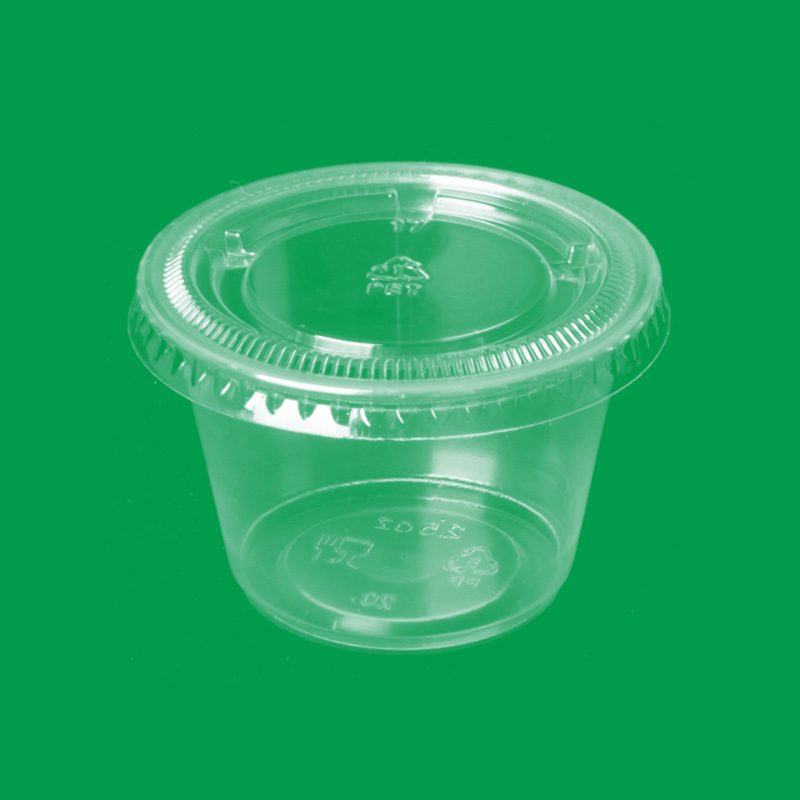
Tight, Tested Seal
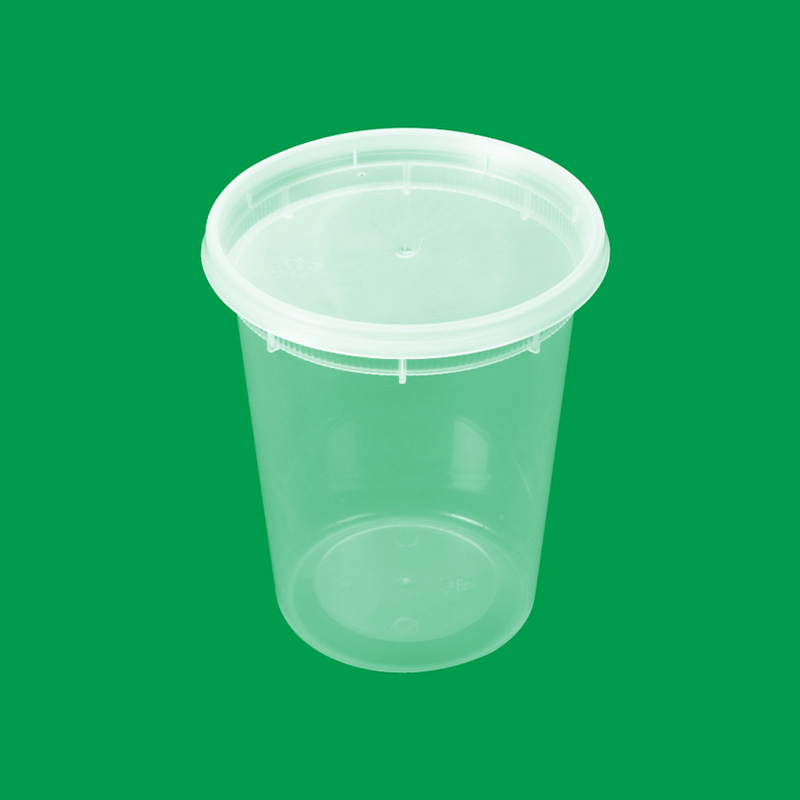
Rims and lid grooves are moulded to close with a firm click. Samples from each lot are filled, closed, inverted and pressed to verify that sauces stay inside the cup.

Small polypropylene cups with secure lids for sauces, dressings, jams and samples. They seal firmly, survive heat and cold, and keep the main meal dry in the delivery bag.
Explore more compostable and disposable food service products from the same manufacturing group.
How small containers solve big problems in sauce service, sampling and portion control, and what makes a portion cup truly leak proof.
Leak proof PP portion cups with lids are small, lidded containers made from polypropylene, typically holding between 1 and 5 ounces. They are the cups used for dipping sauces, dressings, jam, ketchup, mayonnaise, sauces on the side, condiment portions, spice blends, samples and small desserts. Their job is simple but unforgiving: they must hold liquid and semi-liquid foods without leaking, even when tossed into a bag, tilted in a cooler or squeezed by a delivery rider.
Polypropylene is the material of choice because it is tough, resistant to oil and acid, and stable across a wide temperature range. It handles hot sauces from a pot, cold dressings from a fridge and freezer storage for batch-prepared sauces. Unlike thin PET or foam cups, it does not crack when frozen or soften when filled with hot gravy, and it tolerates microwave reheating for small portions.
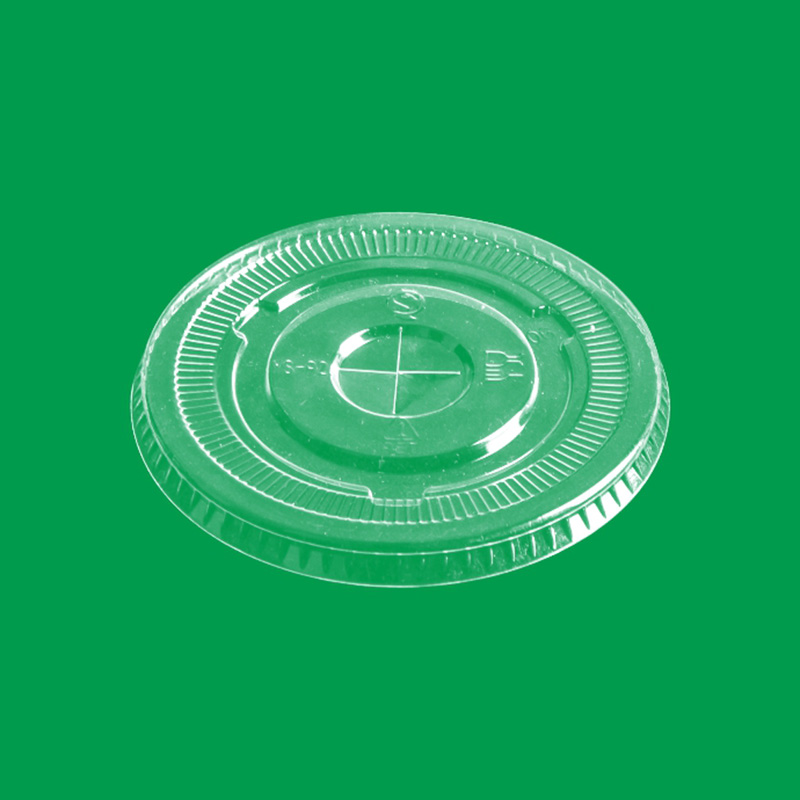
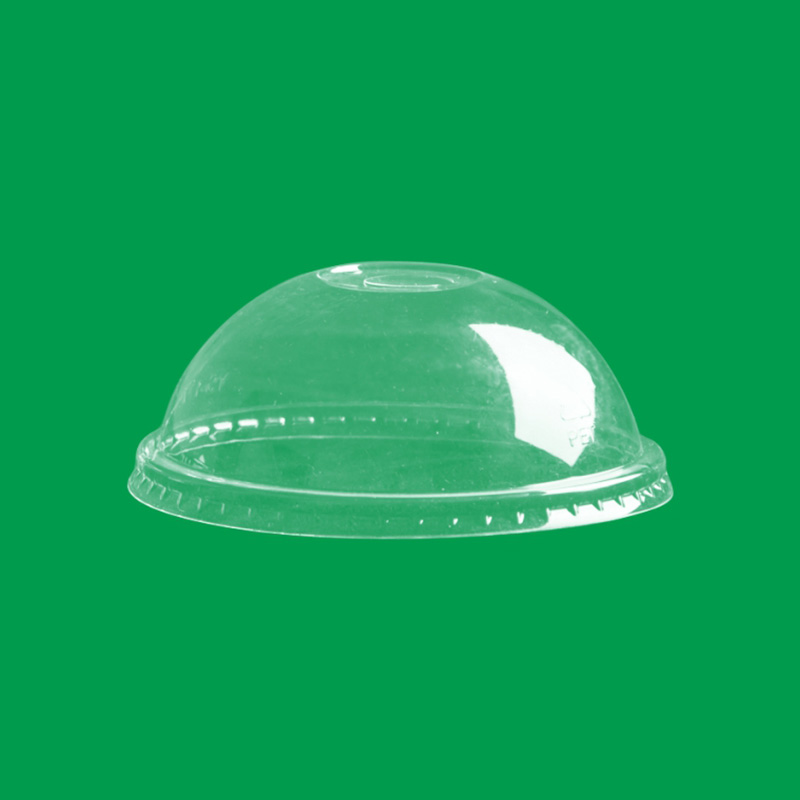
The lid is as important as the cup. Portion cup lids are either separate snap-on lids or hinged lids attached to the cup, designed to press into a groove or over a lip. A well-fitted lid seals with a firm click and resists pressure when stacked inside a bag. For the customer, it means no sauce on the burger bag; for the operator, it means fewer refunds and a more professional presentation.
Portion cups may seem like a minor purchase, but they influence several important measures of a food business. They control portion size, which is a direct cost; they reduce wasted sauce, which is a quiet source of loss; and they protect the main dish from sogginess, which affects reviews. A hamburger with sauce on the side travels better than one with sauce poured over the bun.
Production is by injection moulding or thermoforming, depending on size and design. Thermoformed cups are thin and economical for high-volume use; injection-moulded cups are thicker and stiffer, with more precise rims. Lids follow the same logic. Each type has its place, and we can help you match the production method to the sauce, the temperature and the budget.
The choice between clear and opaque is often practical. Clear cups let staff verify contents at a glance and allow customers to see the colour of the sauce, while opaque white cups hide staining and offer a cleaner look for oily sauces. Coloured lids can be used to code sauces, a simple way to avoid mix-ups in a busy kitchen.
As with other PP products, the cups are recyclable where PP is collected, though small items often fall through sorting equipment. Brands concerned about this can choose larger sizes, avoid additional labels or consider alternatives. A short chat about your goals will point to the right balance of function and sustainability.
Consider the full sauce workflow. Many kitchens fill portion cups from a squeeze bottle or a dispensing pump at a fixed station, close them with lids in a single motion and place them directly in a bag. Selecting a cup and lid that match the filling tool, whether the opening is wide enough for a ladle or narrow enough for a nozzle, can speed that process and reduce spills. A short observation of your own line before ordering usually identifies the best cup shape.
Typical portion cup configurations are listed below. Capacity, lid style, colour and packing can be customised.
| Material | Food-grade polypropylene (PP), resin code 5 |
|---|---|
| Capacity | 1 oz (30 ml), 2 oz (60 ml), 3.25 oz (100 ml), 4 oz (120 ml), 5.5 oz (160 ml) |
| Lid Types | Snap-on flat lid, domed lid, vented lid or hinged lid |
| Cup Wall | Thin-wall thermoformed or thicker injection-moulded options |
| Temperature Range | Freezer-safe to about –20 °C; hot-fill and microwave-safe to about 120 °C |
| Color | Clear, translucent natural or white cup; lids in clear or colours |
| Leak Resistance | Tested with sauce, inverted and pressed under light load |
| Packing | Sleeves of 100 / 125 / 250 cups, lids packed separately or sleeved |
| Compliance | FDA and EU food-contact materials |
| Lead Time | Usually 18 – 30 days for stock sizes |




Small containers with a demanding job — keep sauces in, mess out and portions consistent.
Rims and lid grooves are moulded to close with a firm click. Samples from each lot are filled, closed, inverted and pressed to verify that sauces stay inside the cup.
PP resists oil, acid and strong flavours, so ketchup, curry sauce, vinaigrette and spicy dips do not stain the wall or soften the cup.
From freezer to hot-fill, the cup keeps its shape. Batch-prepared sauces can be stored, then reheated in a microwave in the same portion cup.
Fixed volumes give consistent servings and reduce sauce waste. Clear cups make it easy for staff to check fill levels at a glance.
Flat lids for stacking, domed lids for taller portions, hinged lids for fast service, and vented lids for hot sauces. Colour lids help code sauces.
Cups nest closely and lids stack in sleeves, saving storage and speeding up the service line, especially during the delivery rush.
We work with distributors, hospitality groups and retail brands across multiple markets and regions.
















Eight strengths that shape how we develop, manufacture and deliver PP portion cups and food packaging solutions at scale.
A recognised voice in the sector, participating in the development of industry standards and supported by growing demand for degradable materials at home and abroad.
R&D, production, manufacturing, sales and service are integrated under one organisation, creating an efficient and sustainable operating ecosystem.
Continuous investment in new technology and production, with targeted material development supported by academic expertise in polymer and materials science.
A broad product line paired with strong design and high customisation capability, so different industries can receive products built for their specific needs.
Intelligent production workshops and automated mechanical equipment keep output consistent and lead times predictable, even at high volume.
A global outlook with service to customers worldwide. Group headquarters in Ningbo, China, and a production base in Vietnam.
More than a decade of focus on quality, with international awards and manufacturing carried out strictly to the highest industry standards.
A diversified core management team drawn from benchmark companies in different industries, forming a distinctive corporate DNA.
A recognised position in the industry with participation in the formulation of industry standards, alongside domestic and global support for the environmentally friendly degradable sector.
R&D, production, manufacturing, sales and service are integrated to create an efficient and sustainable enterprise operation ecology.
Vigorous investment in the development and production of new technologies, with targeted technology development supported by professors from the Institute of Materials of the Chinese Academy of Sciences.
An extensive product line with excellent product design and high customisation capability, producing tailored products for the different needs of various industries.
Intelligent production workshops and automated mechanical production equipment create an industry-efficient enterprise.
Positioning global and serving the world, with the group headquarters in Ningbo, China, and a base in Vietnam.
Thirteen years focused on quality, with numerous international awards and manufacturing carried out strictly in accordance with the highest industry standards.
A diversified core management team with professionals from benchmark companies in different industries and management teams in diversified fields, forming a unique corporate DNA.
Portion cups often touch acidic, oily and hot sauces, so material declarations and migration tests are based on realistic food types and temperatures.
Small cups carry big responsibilities in food safety. Documentation covers material compliance, while production checks verify seal performance on each lot.
US food-contact regulations covering polypropylene resins and additives.
European regulation on plastic materials in contact with food, including migration limits.
Polypropylene is inherently free of bisphenol A; a formal declaration can be supplied.
Identification code for PP, supporting recycling guidance where collection exists.
Samples are filled with sauce, closed, inverted and pressed to check leak resistance and lid fit.
Selected certifications and awards that support our compostable and food-contact product range.






How a polypropylene portion cup compares with PET cups and paper-based alternatives.
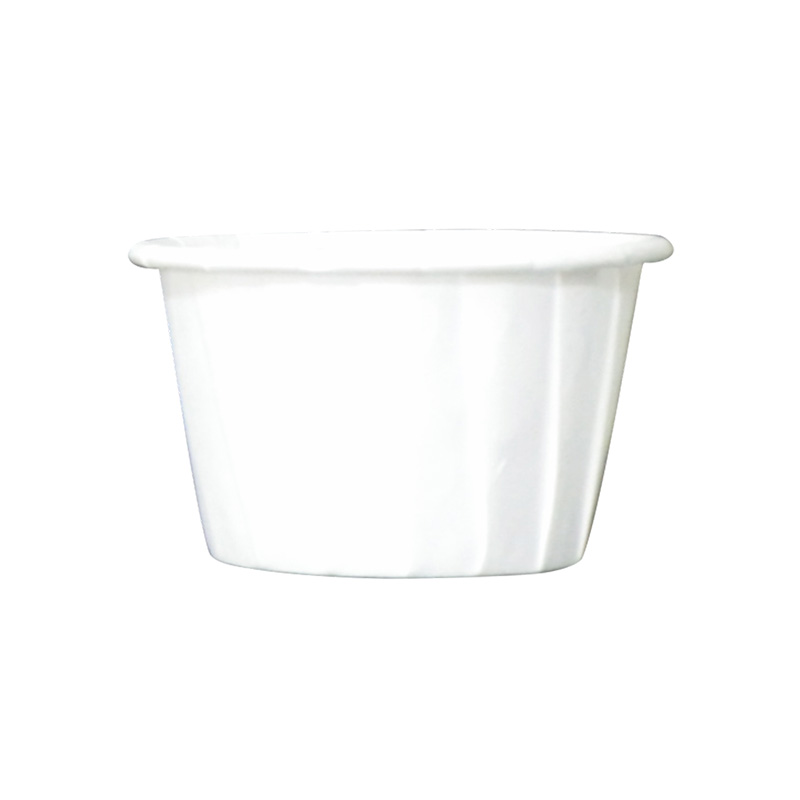
PET portion cups are very clear, but they are brittle in the freezer and not suitable for hot or microwave use. Paper portion cups look natural, but they can absorb oils and are harder to seal with a tight lid.
PP offers the best all-round performance for sauce service. It tolerates hot fills, reheating and freezing, resists oils and acids, and can be paired with snug lids. It is not as crystal-clear as PET, but its versatility is higher.
The table on the right compares heat tolerance, clarity, seal performance, microwave use and cost, to help match each cup to your sauces and service.
One more factor is the way the cup is opened. Some customers peel a corner of a film lid, others lift a tab, and others pop a hinged lid. A lid that opens easily with one hand is a quiet selling point, particularly for drivers and for people eating at their desks.
| Attribute | PP Portion Cup | PET Portion Cup | Foil Paper Cup |
|---|---|---|---|
| Hot sauces | Excellent | Limited | Good |
| Freezer storage | Excellent | Brittle | Acceptable |
| Microwave reheating | Yes | No | Not recommended |
| Clarity | Translucent to clear | Crystal clear | Opaque |
| Oil resistance | Excellent | Excellent | Needs liner |
| Lid seal | Excellent | Good | Moderate |
| Unit price | Low | Low | Mid |
| Recycling route | PP #5 | PET #1 | Mixed or limited |
Anywhere sauces, dressings and small portions need to travel or be served at a counter.


Changya New Material Technology Co., Ltd. was founded in 2013, and the group is headquartered in Ningbo, China. It is a limited liability company integrating R&D, production, and sales. As China Leak Proof PP Portion Cups With Lids Manufacturers and Wholesale Leak Proof PP Portion Cups With Lids Factory,, the company mainly produces paper, PLA & plastic disposable tableware, such as straws, cutlery, microwaveable box, hinged box, cup, carry-out bags, plates, dining kits, etc.
Changya New Material Technology Co., Ltd. has developed rapidly since its establishment, with constant growth each year, and has now become an enterprise in the field of high-quality disposable food and kitchen supplies in China.
Two manufacturing bases with automated production lines and strict quality control at every stage, from raw material to finished carton.

















Select the capacity, lid and colour that fit your sauces, then add branding through labels or sleeves.
From 1 oz condiment cups to 5.5 oz dip cups, with custom volumes available for larger orders.
Flat snap-on, domed, vented or hinged lids, matched to the cup. Choose based on how the cup is stacked, filled and carried.
Use coloured lids to code sauces by flavour, heat level or allergen, which reduces order errors in busy kitchens.
Clear cups show the sauce, and white cups hide staining. Both are produced from food-grade PP.
Branded labels, tamper-evident stickers or seal bands can be applied to portion cups for delivery and retail.
Sleeves for kitchens, boxes for retail, and shrink-wrapped multipacks for supermarkets.
A six-dimension comparison of PP, PET and paper portion cups. Scores are relative to the best performer in each dimension (5=best).
Best seal strength, heat resistance and freezer use, at a low cost. Clarity is lower than PET.
Crystal clear and widely recycled, but brittle when frozen and not suited to heat.
Natural look but weaker seal and oil resistance, and harder to recycle.
How PP portion cups compare with alternatives on material use and carbon footprint.
Approximate weight of cup and lid. Lower weight reduces material use and transport impact. Values are indicative.
Indicative cradle-to-gate CO₂ equivalent per kilogram of material. Lower is better.
From plant sugar to a wrapped straw on a café counter — five stages that define the quality of the finished product.
Plant sugars from corn starch or sugarcane are fermented by bacteria to produce lactic acid, the building block of the polymer.
Lactic acid molecules are linked into long chains to form PLA resin, which is then pelletised for easy handling and transport.
The resin is melted and pushed through precision dies to form straw tubes with a consistent wall thickness and smooth surface finish.
Tubes are cut to length, the ends are finished to remove burrs, and samples are checked for straightness, diameter and appearance.
Each straw is sealed into its own paper wrapper — plain or printed — then counted into inner boxes and master cartons.

From resin to recycling — the full journey of a leak proof PP portion cup.
Food-grade polypropylene granules are produced and supplied for thermoforming or injection moulding.
Cups and lids are formed with precise rims and grooves, trimmed and inspected.
Sauces are filled at the kitchen or factory, and lids are pressed on with a click.
Cups travel in bags and coolers, and are opened at the table, with the contents dipped or poured.
Empty cups are rinsed and placed into PP collection where accepted, though small items may need larger carriers.
With two manufacturing bases and established export partnerships, our portion cups reach customers across five main regions.
Portion cups are small and light, but they must remain clean until the moment of filling. Keep sleeves sealed in a dry area, and open only as needed. Dust inside a cup is hard to see and easy to avoid.
Store cups and lids separately and in the same room, so staff can match them quickly. Avoid storing near strong smells, such as cleaning products, since PP can pick up odours.
Fill to about 90 percent of the capacity, leaving headspace for the lid. Wipe the rim if sauce spills, because a sticky rim prevents the lid from sealing. For hot sauces, allow brief cooling before sealing.
For delivery, pack cups upright and inside a compartment where they cannot tilt. A small tamper-evident sticker across lid and cup shows the customer that the sauce has not been opened.
Tell us the diameter, length, color and wrapping you need. Our team will reply within 24 hours with pricing, packing details and delivery time.
PLA straws have significant advantages in raw material selection, which stems from their u...
The biodegradability of PLA straws is one of its significant advantages in the field of en...
Disposable PP Cutlery is an upstart in the catering industry, and its lightweight design h...
Copyright © Changya New Material Technology Co., Ltd.All Rights Reserved.
Wholesale Leak Proof PP Portion Cups With Lids Manufacturers
