 English
 中文简体
中文简体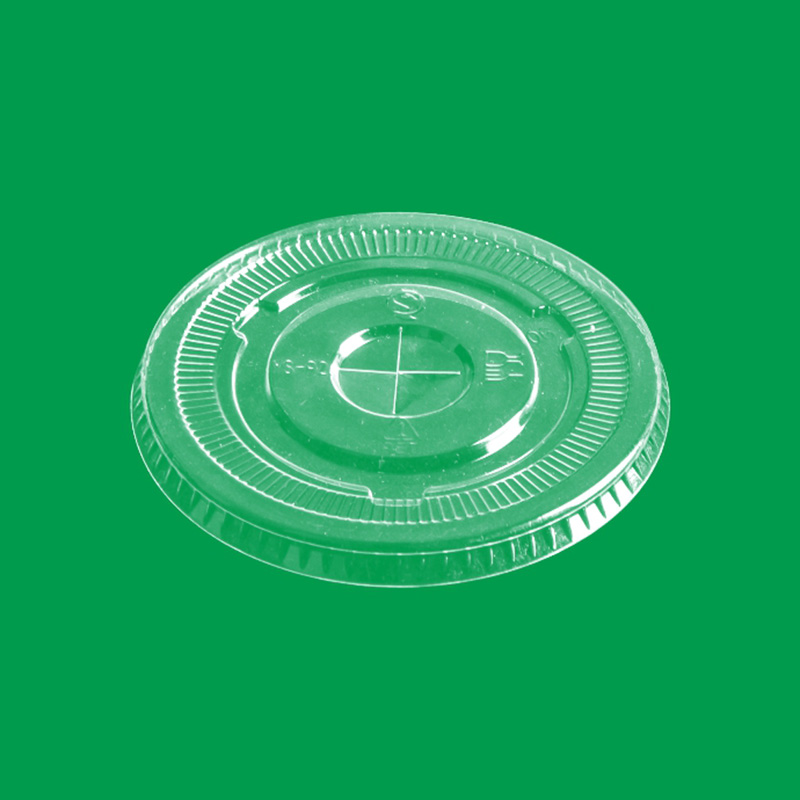
Reliable Barrier Lining
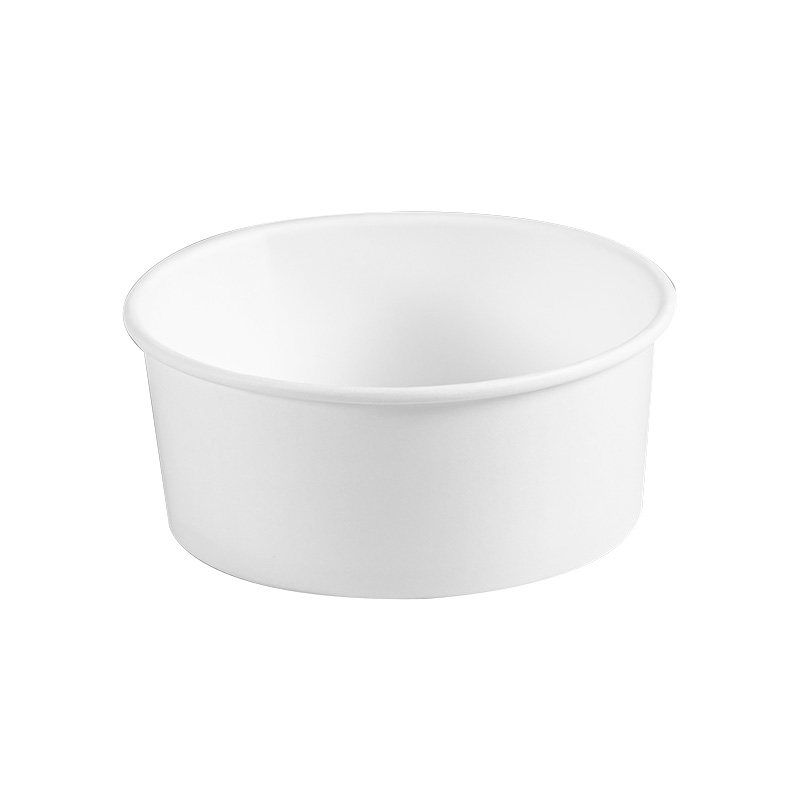
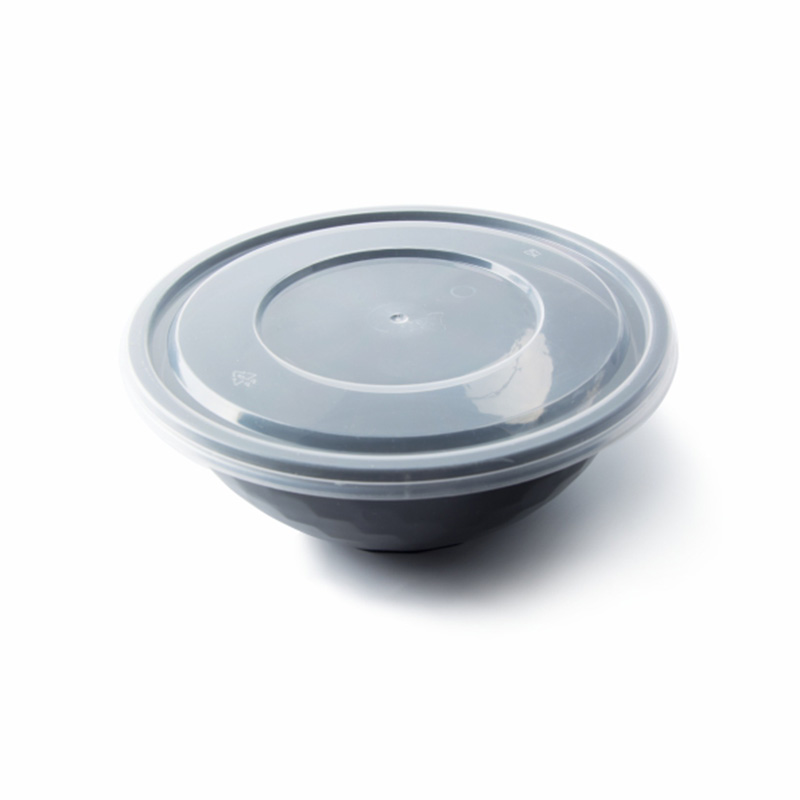
A thin interior lining of PLA or water-based barrier keeps hot soups, sauces and oily dishes from soaking through the paperboard, protecting both the food and the customer's hands.

Grease-resistant paperboard bowls, tubs and boxes with secure matching lids. Natural kraft or fully printed, lined for hot and cold food, and ready for takeaway and delivery.
Explore more compostable and disposable food service products from the same manufacturing group.
How a paperboard container resists grease and moisture, what the lining and the lid are made of, and where a paper container is the right choice.
Biodegradable paper food containers with lids are bowls, tubs and boxes made from food-grade paperboard and fitted with a matching lid. They are used for soups, noodles, salads, rice dishes, curries, desserts and a long list of other hot and cold foods that restaurants sell for takeaway and delivery. Their popularity comes from a simple combination: paper feels natural and light, prints beautifully, and is accepted by customers as a more sustainable alternative to foam and rigid plastic boxes.
What makes a paper container useful for food, rather than merely paper, is the barrier. Raw paperboard would quickly soak up sauce, oil and steam. To prevent that, the inside surface is given a thin lining — commonly a bio-based PLA coating or a water-based barrier — that holds liquid and grease without leaking. The outer surface can remain natural kraft or be printed in full colour. A well-made container keeps a hot soup warm, a salad crisp and a curry sealed during a twenty-minute delivery journey.
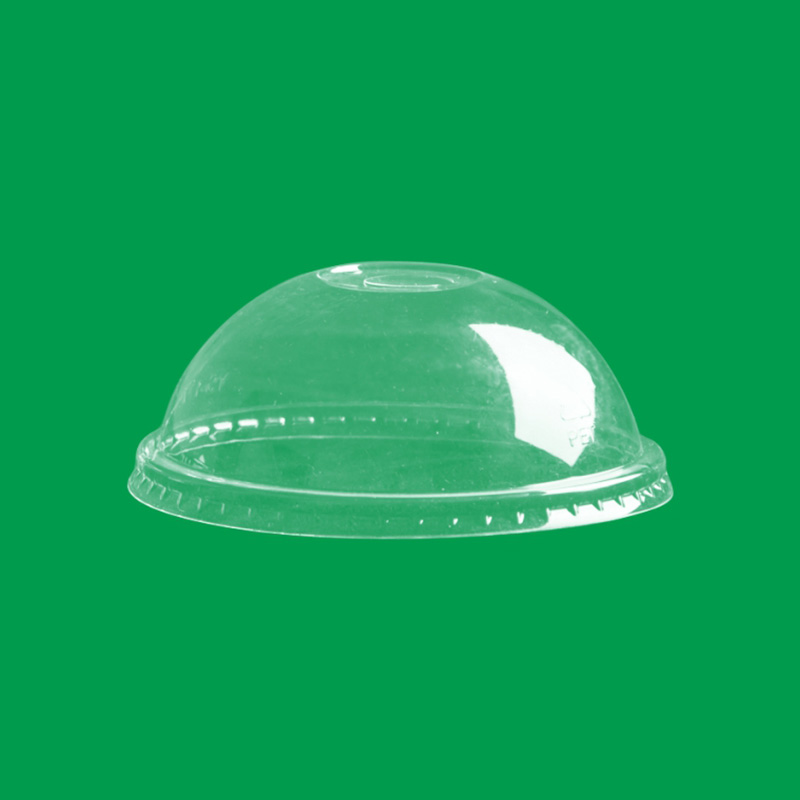
The lid is the second half of the system. Lids may be paperboard, PLA or another material, with a snug fit that locks to the rim of the bowl. Vented lids let steam escape and prevent condensation from making fried food soggy, while sealed lids are better for liquids and for chilled salads. Choosing the right lid for the food is as important as choosing the right bowl.
The best starting point is the food itself. A thin broth, a dense curry, a green salad and a deep-fried snack each stress a container in a different way. Thin broths test the leak resistance of the lining and the seam, curries test grease resistance, salads need a clear view and a tight lid, and fried snacks need ventilation. Matching container type to food reduces complaints and food waste.
Production starts with paperboard that has been coated and printed in rolls or sheets. The blank is die-cut, creased and formed into a bowl or box by heat and pressure, with the side seam sealed. Rim thickness and lid fit are checked, because a lid that is too loose will leak and a lid that is too tight will deform the rim. Most factories test each model with hot water and oil to verify performance.
Disposal is more complex than it seems. A paper container with a PLA lining may be accepted in industrial composting, but not necessarily in standard paper recycling, because the lining must be separated. A water-based coating, on the other hand, may fit existing paper recycling. We recommend stating the correct disposal route for the specific lining chosen and checking local collection practices.
For brands, the paper container is also a canvas. Its large printable surface can carry a logo, a menu story, a QR code or a nutrition panel. When the container travels through delivery apps and across customers' tables, it acts as free advertising, which is why many operators treat the container as an extension of their branding rather than a commodity.
Finally, consider the full meal system. A paper container rarely works alone: it needs a lid, a bag or carrier, cutlery, a napkin and sometimes a sauce pot. Choosing these from one paper-based family reduces mixed-material confusion and simplifies end-of-life messaging. Many delivery brands find that a printed sticker or tamper-evident band across the lid adds a visible quality signal and discourages tampering, while still keeping the whole pack fibre-based and recoverable.
Typical container configurations are listed below. Shape, size, lining, lid type and printing can all be customised.
| Material | Food-grade paperboard (kraft or white) with a barrier lining |
|---|---|
| Lining | Bio-based PLA coating or water-based barrier, selected by application |
| Capacity | 350, 500, 750, 1000, 1300 and 1500 ml standard options |
| Shape | Round bowl, square tub and rectangular takeaway box |
| Lid Options | Paperboard lid, PLA clear lid, vented lid or sealed snap-fit lid |
| Temperature Range | Suitable for hot and cold foods; check lining for oven and microwave use |
| Outer Finish | Natural kraft, white or fully printed in up to four colours |
| Packing | Nested stacks in inner sleeves, packed in master cartons |
| Certification | Food contact testing; compostability depends on lining and market |
| Lead Time | Usually 25 – 35 days after artwork and deposit confirmation |




Packaging that holds the food, shows the brand and keeps the sustainability story consistent from kitchen to doorstep.
A thin interior lining of PLA or water-based barrier keeps hot soups, sauces and oily dishes from soaking through the paperboard, protecting both the food and the customer's hands.
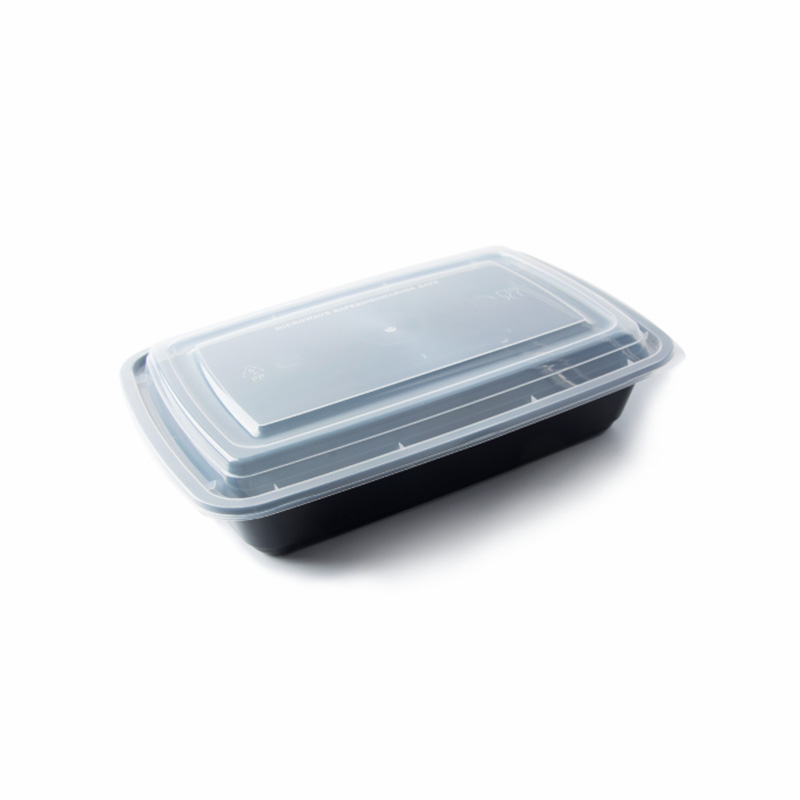
Lids are developed together with the bowl so that rim thickness and curve match. Snap-fit and tab-lock designs hold firmly in transit, which cuts the number of leaks and delivery complaints.
Vented lids release steam from fried or crispy foods, while sealed lids lock in liquids and keep cold salads fresh. One range lets you pick the right closure for every dish.
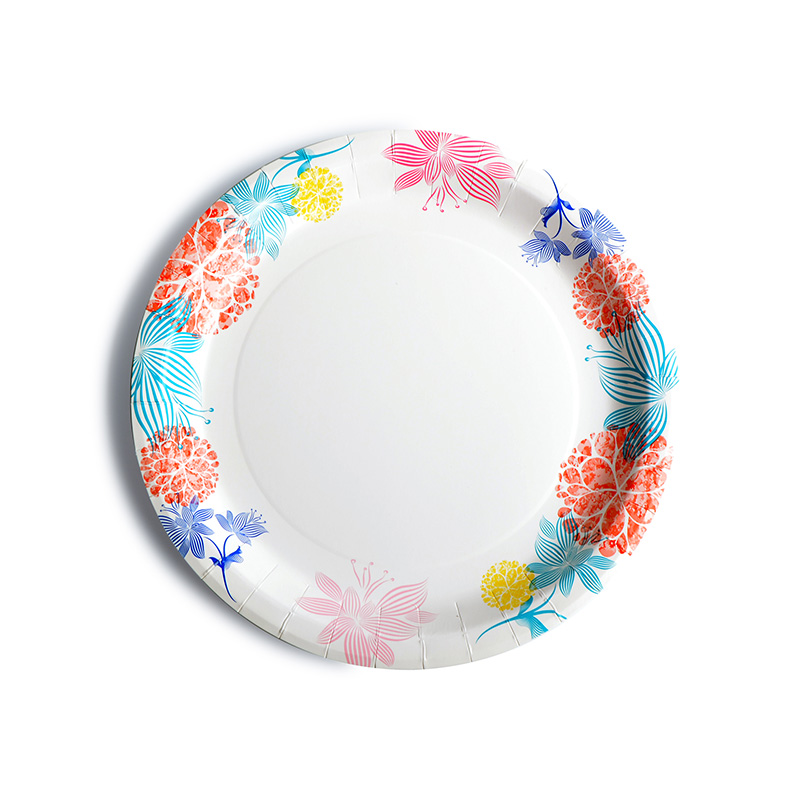
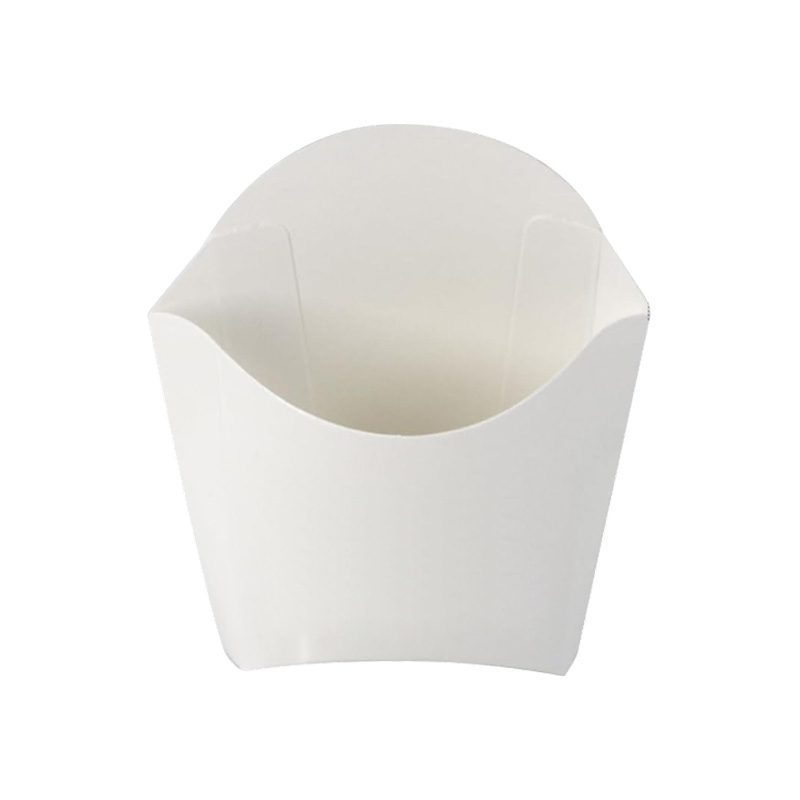
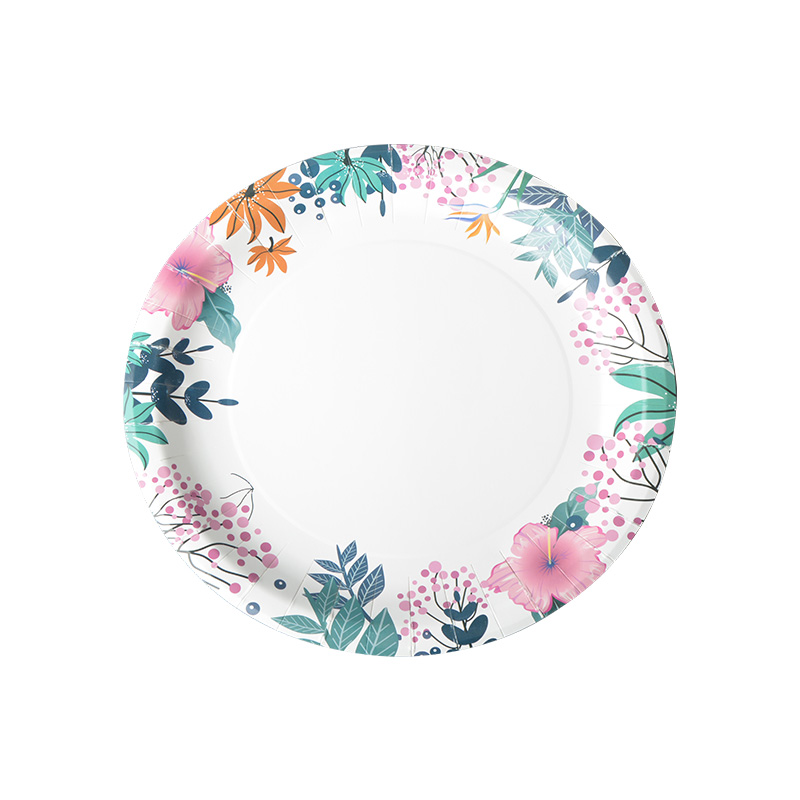
The outer wall can carry a logo, pattern, menu message or QR code in up to four colours. A printed container travels through delivery, making every order a marketing opportunity.
Bowls and lids nest tightly, reducing storage and freight volume. Staff can set up an assembly line quickly, and the stack stays stable on a shelf.
Paperboard is the main structural material, so the container reads as a more natural option than foam or rigid plastic, with a clear, honest disposal message tied to the lining chosen.
We work with distributors, hospitality groups and retail brands across multiple markets and regions.
















Eight strengths that shape how we develop, manufacture and deliver biodegradable paper food packaging at scale.
A recognised voice in the sector, participating in the development of industry standards and supported by growing demand for degradable materials at home and abroad.
R&D, production, manufacturing, sales and service are integrated under one organisation, creating an efficient and sustainable operating ecosystem.
Continuous investment in new technology and production, with targeted material development supported by academic expertise in polymer and materials science.
A broad product line paired with strong design and high customisation capability, so different industries can receive products built for their specific needs.
Intelligent production workshops and automated mechanical equipment keep output consistent and lead times predictable, even at high volume.
A global outlook with service to customers worldwide. Group headquarters in Ningbo, China, and a production base in Vietnam.
More than a decade of focus on quality, with international awards and manufacturing carried out strictly to the highest industry standards.
A diversified core management team drawn from benchmark companies in different industries, forming a distinctive corporate DNA.
A recognised position in the industry with participation in the formulation of industry standards, alongside domestic and global support for the environmentally friendly degradable sector.
R&D, production, manufacturing, sales and service are integrated to create an efficient and sustainable enterprise operation ecology.
Vigorous investment in the development and production of new technologies, with targeted technology development supported by professors from the Institute of Materials of the Chinese Academy of Sciences.
An extensive product line with excellent product design and high customisation capability, producing tailored products for the different needs of various industries.
Intelligent production workshops and automated mechanical production equipment create an industry-efficient enterprise.
Positioning global and serving the world, with the group headquarters in Ningbo, China, and a base in Vietnam.
Thirteen years focused on quality, with numerous international awards and manufacturing carried out strictly in accordance with the highest industry standards.
A diversified core management team with professionals from benchmark companies in different industries and management teams in diversified fields, forming a unique corporate DNA.
Paperboard can be supplied with chain-of-custody certification, documenting that fibre originates from responsibly managed forests.
A food container has to be safe, leak-resistant and honest about its disposal route. Each of those claims is checked through testing and through routine inspection during production.
Paperboard, lining, inks and adhesives produced to meet food-contact requirements in the target market.
Compostability certification for PLA-lined constructions, where tested for the entire container system.
Chain-of-custody paperboard can be supplied for customers who require responsible forestry credentials.
Containers filled with hot oil and water, sealed and inspected for seepage at the seam and rim.
Cut, crease, seam and lid-fit inspection before nesting, counting and packing into master cartons.
Selected certifications and awards that support our compostable and food-contact product range.






How a lined paperboard container compares with rigid plastic and expanded polystyrene foam for takeaway.
For many years, takeaway food travelled in foam or rigid plastic. Foam insulates well and is cheap, but it is restricted in many cities and widely disliked. Rigid plastic has good clarity and strength, but it tends to be seen as unsustainable and is not suited to every disposal route.
Paperboard bowls with lids provide a more natural appearance, with excellent printing and a lighter feel. With the right lining, they can contain hot soups and curries, and they stack and ship efficiently. Their weak points are visibility and microwave performance, which depend on the specification.
The comparison on the right sets out the main differences in raw material, insulation, leakage, printing and regulatory outlook. It is a handy starting point when you evaluate packaging options for dine-out menus.
| Attribute | Paper Container | Plastic Container | Foam Container |
|---|---|---|---|
| Main material | Paperboard with lining | Polypropylene or PET | Expanded polystyrene |
| Compostable lining option | Yes, PLA lining | No | No |
| Hot soups | Good with barrier | Good | Excellent |
| Insulation | Moderate | Low | High |
| Print area | Full outer wall | Limited label area | Poor |
| Visibility of food | Opaque | Clear options | Opaque |
| Storage volume | Nested, compact | Nested, compact | Bulky |
| Regulatory outlook | Favourable | Mixed | Restricted |
From the neighbourhood noodle shop to the national delivery chain, paper containers suit hot and cold meals in motion.


Changya New Material Technology Co., Ltd. was founded in 2013, and the group is headquartered in Ningbo, China. It is a limited liability company integrating R&D, production, and sales. As China Biodegradable Paper Food Containers With Lids Manufacturers and Wholesale Biodegradable Paper Food Containers With Lids Factory,, the company mainly produces paper, PLA & plastic disposable tableware, such as straws, cutlery, microwaveable box, hinged box, cup, carry-out bags, plates, dining kits, etc.
Changya New Material Technology Co., Ltd. has developed rapidly since its establishment, with constant growth each year, and has now become an enterprise in the field of high-quality disposable food and kitchen supplies in China.
Two manufacturing bases with automated production lines and strict quality control at every stage, from raw material to finished carton.

















Choose the shape, lining and print that suit your menu, then pair them with the right lid for every dish.
Round bowls for soups, square tubs for rice and salads, and rectangular boxes for mixed meals. Capacities from 350 ml to 1,500 ml are available.
PLA lining for compostable-focused ranges or water-based barrier for paper-recycling-focused ranges. Each is tested against hot and oily foods.
Paperboard lids for a fully paper look, clear PLA lids for visibility, or vented lids for steam release. Fit is verified with the container before approval.
Apply your logo, brand pattern or menu story to the outside wall, with up to four colours and artwork guidance from our team.
Natural kraft gives a rustic look and white board gives a cleaner base for bright print. Both are available in food-grade quality.
Combine bowls, tubs, lids and cutlery in a single order so a complete takeaway meal can be assembled from one supplier.
A six-dimension comparison of paper, rigid plastic and foam containers. Scores are relative to the best performer in each dimension (5=best).
Strong print area and eco-rating with good leak resistance when lined. Cost is mid-range, and insulation is moderate.
Good leak resistance and clarity, with low insulation and a weaker environmental image in many markets.
Best insulation and cost, but the poorest eco-rating and widely restricted. Bulky to store and ship.
How a lined paper container compares with plastic and foam on end-of-life time and carbon footprint.
Approximate time to break down under ideal conditions for each material. Values are indicative and depend on the lining and environment.
Indicative cradle-to-gate CO₂ equivalent per kilogram of material. Lower is better.
From plant sugar to a wrapped straw on a café counter — five stages that define the quality of the finished product.
Plant sugars from corn starch or sugarcane are fermented by bacteria to produce lactic acid, the building block of the polymer.
Lactic acid molecules are linked into long chains to form PLA resin, which is then pelletised for easy handling and transport.
The resin is melted and pushed through precision dies to form straw tubes with a consistent wall thickness and smooth surface finish.
Tubes are cut to length, the ends are finished to remove burrs, and samples are checked for straightness, diameter and appearance.
Each straw is sealed into its own paper wrapper — plain or printed — then counted into inner boxes and master cartons.

From forest fibre to certified disposal — the full journey of a biodegradable paper food container with lid.
Paperboard is produced from renewable fibre and coated on the inside with a PLA or water-based barrier.
Rolls are printed, die-cut, creased and formed into bowls or boxes, with seams sealed by heat and pressure.
Lids are fitted to the rim and checked for tightness, venting and stacking before cartoning.
The filled container travels through takeaway and delivery, keeping hot and cold foods secure and presentable.
Containers are collected with food waste for industrial composting or in paper streams, depending on the lining.
With two manufacturing bases and long-standing export partnerships, our paper food containers reach customers across five main regions.
Paper food containers arrive flat-nested and compact, which makes them easy to store, but the paperboard remains sensitive to humidity. Store cartons off the floor in a dry, ventilated area and keep them sealed until required.
Avoid storing containers near dishwashing areas, steam outlets or cold rooms with condensation, because damp paperboard can warp, soften and affect lid fit. In hot climates, avoid direct sun on cartons.
At the counter, keep stacks covered to prevent dust, and pair each container with its lid at the start of the shift. A clearly arranged assembly area saves seconds per order and reduces mismatched lids.
If you use hot-filled soups and sauces, allow a short cooling period before sealing the lid, so that steam does not build up and force the lid. For crispy foods, choose vented lids and avoid sealing too soon.
Tell us the diameter, length, color and wrapping you need. Our team will reply within 24 hours with pricing, packing details and delivery time.
PLA straws have significant advantages in raw material selection, which stems from their u...
The biodegradability of PLA straws is one of its significant advantages in the field of en...
Disposable PP Cutlery is an upstart in the catering industry, and its lightweight design h...
Copyright © Changya New Material Technology Co., Ltd.All Rights Reserved.
Wholesale Biodegradable Paper Food Containers With Lids Manufacturers
