 English
 中文简体
中文简体
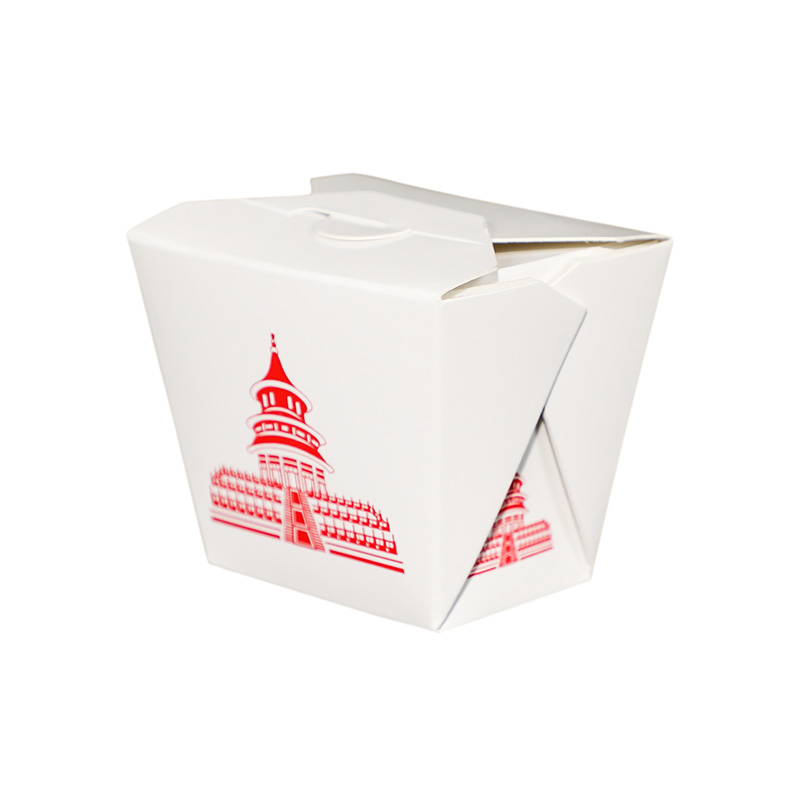
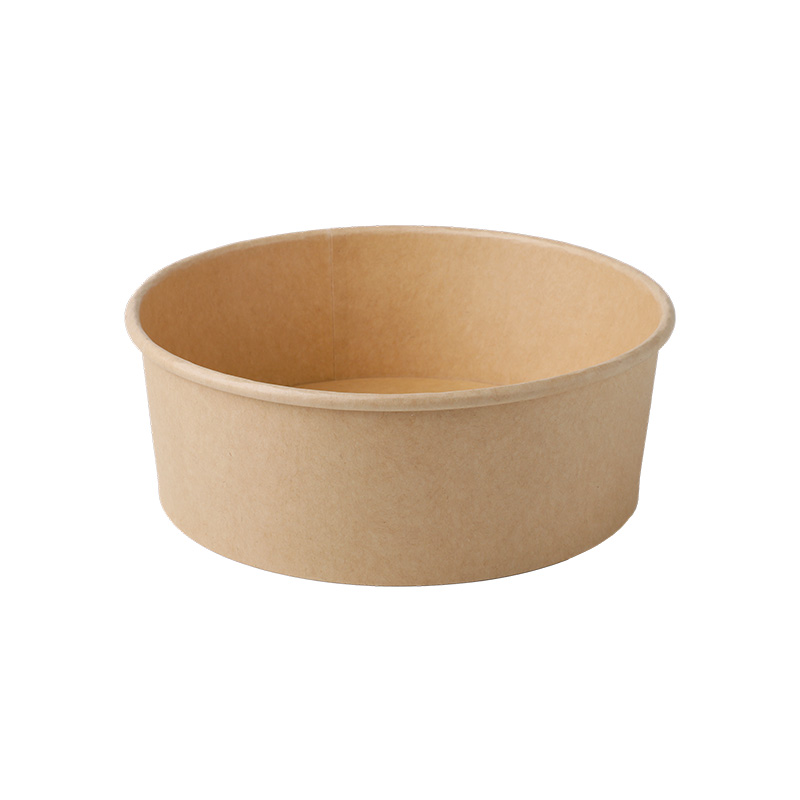
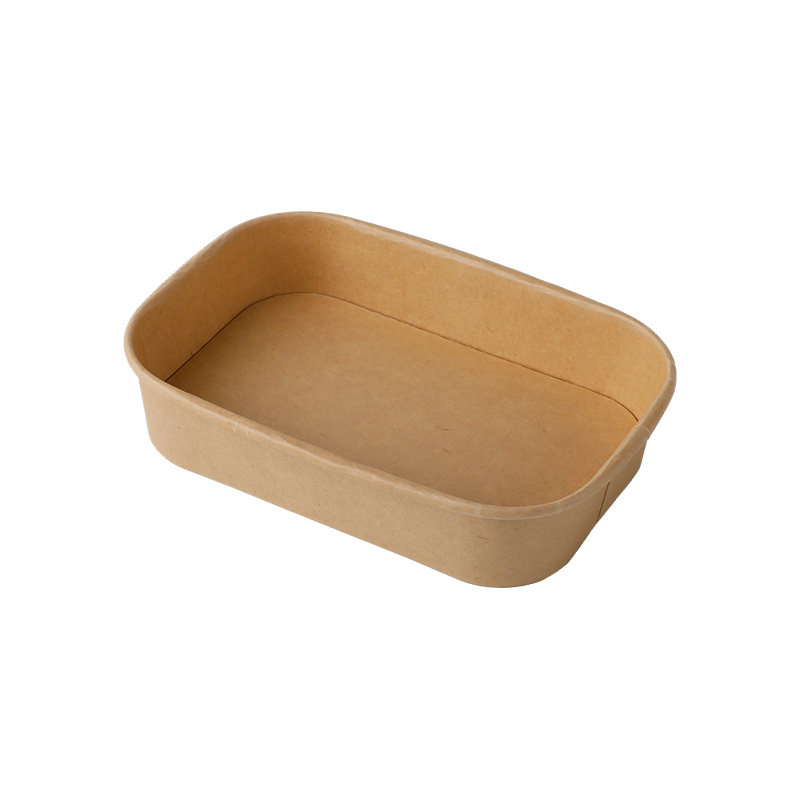
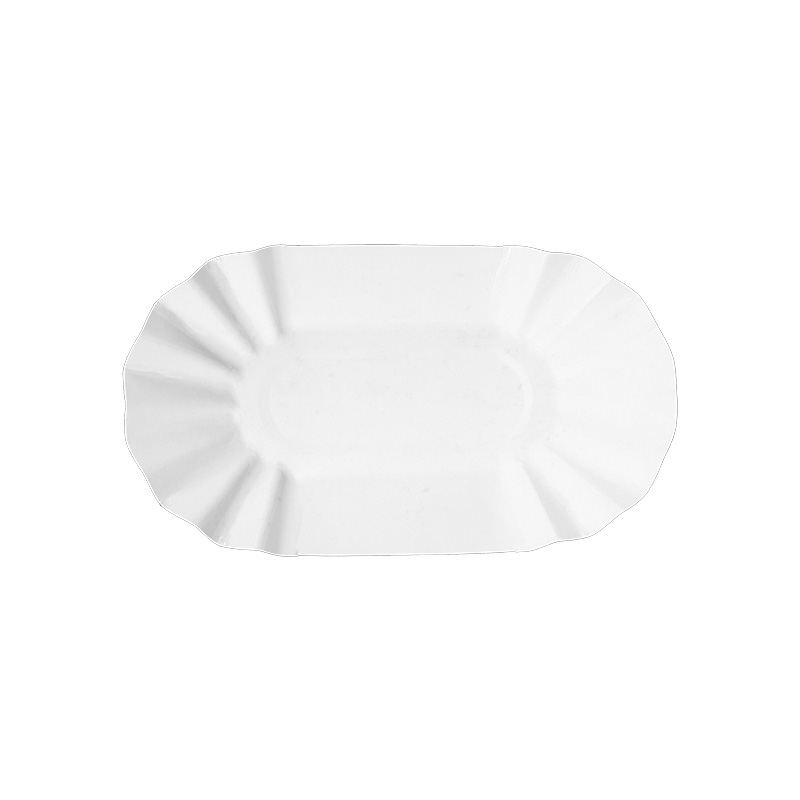
Food-Grade Board and Coating
Board, lining, inks and adhesives are selected for food contact. A thin grease-resistant barrier keeps oil from reaching the paper and protects the box from stains.

Folded kraft paperboard boxes for sandwiches, burgers, rice meals and bento. Grease-resistant, easy to assemble, stackable and ready for your own logo.
Explore more compostable and disposable food service products from the same manufacturing group.
How a folded paperboard box protects a meal, which features make it food grade, and why kraft lunch boxes have become a default for sandwiches, burgers and bento.
Food grade kraft paper lunch boxes are folded paperboard containers, die-cut and glued or locked into shape, used to carry sandwiches, burgers, rice meals, pastries and other ready-to-eat foods. The word food grade means that the paperboard, coating, inks and adhesives are produced to meet the rules for materials that touch food. Kraft refers to the board: a strong, natural brown paperboard that gives the box rigidity, a warm appearance and a surface that takes print well.
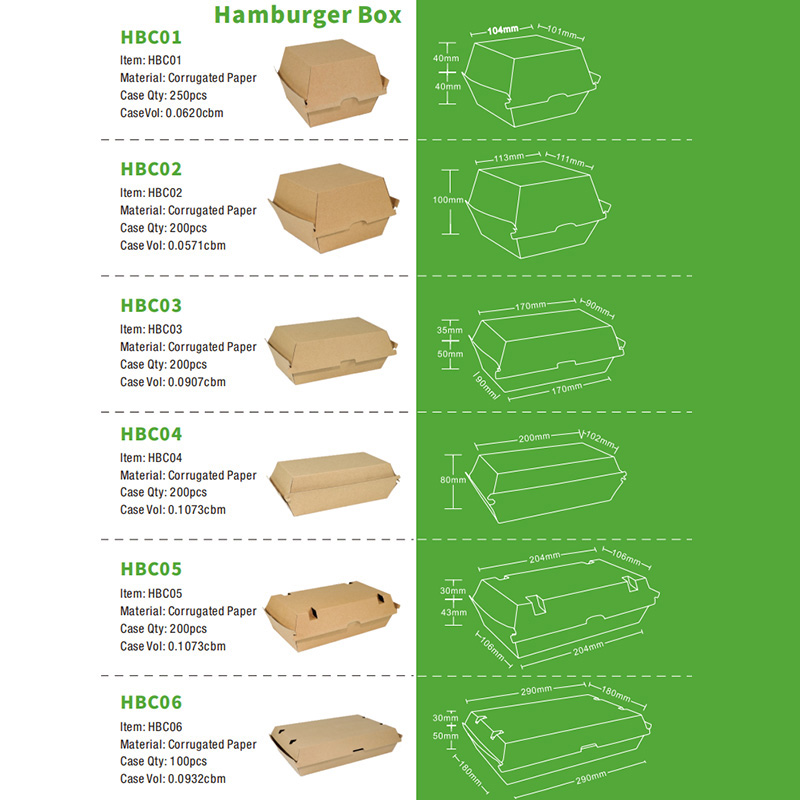
These boxes come in several shapes, and each shape has a job. Tuck-top and tray-style boxes suit sandwiches and wraps. Clamshell boxes with a built-in lid suit burgers and fried foods. Window boxes allow a view of the food, which is popular for pastries and desserts. Multi-compartment boxes keep rice, curry and sides apart. Most arrive flat and are folded by staff in seconds, so storage is compact and set-up is quick.
The box has to cope with grease. Fried chicken, burgers and sauced dishes can quickly spoil unprotected paper, so food grade lunch boxes are usually made with a grease-resistant lining or coating on the inside. This coating is thin but vital: it keeps oil from seeping through, keeps the box rigid and prevents stains on the outside, which keeps the pack looking clean when it reaches the customer.
Think first about the food. A cold sandwich needs only a simple tray with a lid, while a burger and fries needs a deeper box with ventilation to avoid steam. A rice meal with curry needs a leak-resistant box with compartments, and a pastry box needs a clear window and a snug lid to protect delicate tops. Matching the style to the food reduces complaints and maintains presentation.
Next consider speed. Pre-glued boxes pop open quickly, while fold-and-lock designs take a few seconds longer but need no glue. For busy counters, a box that opens with a flick of the wrist and holds its shape on the table saves staff time. Ask for a sample and have a staff member assemble ten boxes while you time them.
Look at the barrier. Water-based barrier coatings can offer an alternative to plastic in the lining and may fit more easily in paper recycling, while PLA or PE linings offer stronger resistance to oil and liquid. The choice depends on your food, the time in the box and your waste stream. We can test the box with your signature dishes.
Finally, think about the brand. Plain kraft is honest, natural and easy to store. A single-colour print with a logo and a short story gives a better presentation at modest cost. A full-colour design on white-coated board makes a more striking look. All can be produced from the same dimensions, which means you can start simply and develop the look over time.
Think also about stacking and delivery. Boxes with a firm tuck or lock closure stay shut in a bag, while open-flap designs can spring open when jostled. Window boxes look attractive on a shelf but can show grease marks more clearly than solid boxes, so the lining and food type should be considered together before choosing a window design.
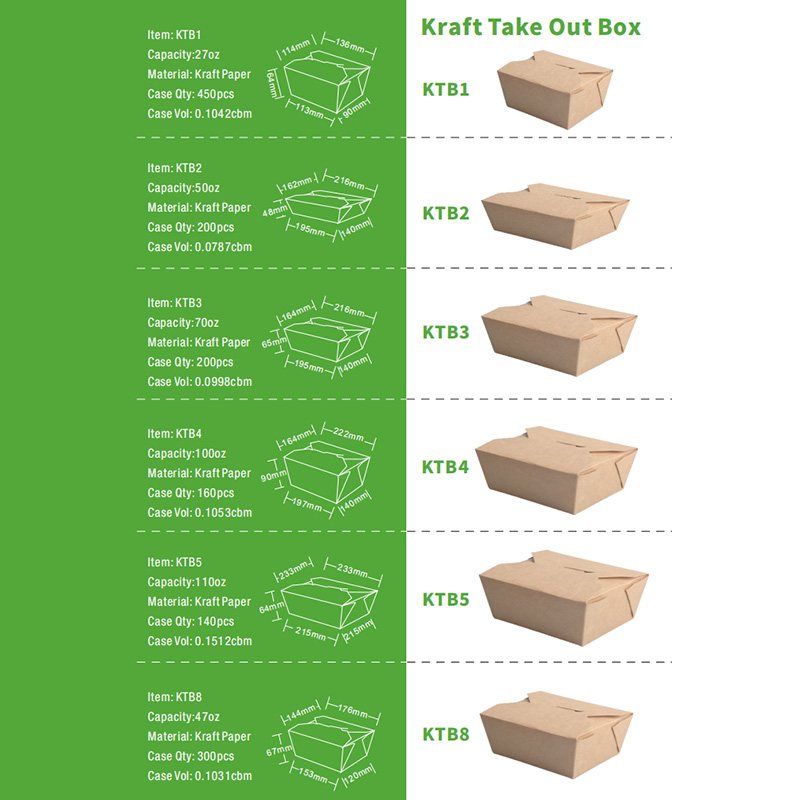
Typical lunch box configurations are listed below. Style, size, lining, window and printing can all be customised.
| Material | Food-grade kraft paperboard, natural brown or white-coated |
|---|---|
| Board Weight | 250 – 350 gsm depending on style and size |
| Styles | Tuck-top tray, clamshell, window box and multi-compartment box |
| Sizes | Sandwich 180 × 110 mm, burger 120 × 120 mm, meal box 1,000 – 1,500 ml |
| Lining | Grease-resistant water-based coating or PE / PLA lining |
| Window | Optional PET or PLA window, or window-free design |
| Closure | Tuck flap, snap lock or hinged lid |
| Printing | Plain or up to four colours; embossing and hot stamping available |
| Packing | Flat-packed in bundles of 50 / 100, cartoned |
| Lead Time | Usually 20 – 35 days for stock; 30 – 45 days for printed |




Practical, natural-looking boxes that protect the meal, speed up service and make the brand look good on the counter.
Board, lining, inks and adhesives are selected for food contact. A thin grease-resistant barrier keeps oil from reaching the paper and protects the box from stains.
Tuck-top trays for sandwiches, clamshells for burgers, window boxes for pastries and compartment boxes for meals give one supplier for the whole menu.
Boxes ship and store flat, using a fraction of the space of rigid containers. Staff erect them in seconds, which suits small kitchens and busy counters.
Rigid board and well-formed corners hold shape under a full meal. Closed boxes stack in a delivery bag without crushing the food.
Kraft board gives a warm, honest look. A simple stamp or one-colour print makes the box unmistakably yours at modest cost.
Mostly paper in construction, boxes with water-based coatings can enter paper recycling in many places, and clean boxes are easy to compost where facilities exist.
We work with distributors, hospitality groups and retail brands across multiple markets and regions.
















Eight strengths that shape how we develop, manufacture and deliver kraft paper food boxes and takeaway packaging at scale.
A recognised voice in the sector, participating in the development of industry standards and supported by growing demand for degradable materials at home and abroad.
R&D, production, manufacturing, sales and service are integrated under one organisation, creating an efficient and sustainable operating ecosystem.
Continuous investment in new technology and production, with targeted material development supported by academic expertise in polymer and materials science.
A broad product line paired with strong design and high customisation capability, so different industries can receive products built for their specific needs.
Intelligent production workshops and automated mechanical equipment keep output consistent and lead times predictable, even at high volume.
A global outlook with service to customers worldwide. Group headquarters in Ningbo, China, and a production base in Vietnam.
More than a decade of focus on quality, with international awards and manufacturing carried out strictly to the highest industry standards.
A diversified core management team drawn from benchmark companies in different industries, forming a distinctive corporate DNA.
A recognised position in the industry with participation in the formulation of industry standards, alongside domestic and global support for the environmentally friendly degradable sector.
R&D, production, manufacturing, sales and service are integrated to create an efficient and sustainable enterprise operation ecology.
Vigorous investment in the development and production of new technologies, with targeted technology development supported by professors from the Institute of Materials of the Chinese Academy of Sciences.
An extensive product line with excellent product design and high customisation capability, producing tailored products for the different needs of various industries.
Intelligent production workshops and automated mechanical production equipment create an industry-efficient enterprise.
Positioning global and serving the world, with the group headquarters in Ningbo, China, and a base in Vietnam.
Thirteen years focused on quality, with numerous international awards and manufacturing carried out strictly in accordance with the highest industry standards.
A diversified core management team with professionals from benchmark companies in different industries and management teams in diversified fields, forming a unique corporate DNA.
Documents cover paperboard, barrier coating, inks and adhesives, and are supported by routine grease and strength tests in the factory.
A box that holds greasy food has to be tested like a food container, not just a carton. Material compliance is documented and performance is verified on every lot.
US food-contact regulations applying to paperboard, coatings and adhesives used in food packaging.
European framework regulation for materials and articles in contact with food, supported by migration testing.
Chain-of-custody certified board supplied on request for responsible forestry claims.
Boxes tested with hot oil and fried food to confirm that grease does not reach the exterior.
Cut, crease, glue-line and corner strength inspected on every production lot.
Selected certifications and awards that support our compostable and food-contact product range.






How a kraft paperboard lunch box compares with rigid plastic and foam boxes.
Foam boxes insulate well and are cheap, but they are restricted in many places and are poorly regarded. Rigid plastic boxes hold liquids well, but they are bulky to store and can feel less natural to customers.
Kraft paperboard boxes arrive flat, store compactly and have a natural look that suits modern restaurants. With the right lining, they handle greasy food well. Their limits are liquids and long holding times, where plastic or lined containers may perform better.
The table on the right compares storage space, grease performance, insulation, printing and regulatory outlook, helping you pick the best format for your menu.
A final point on cost: paperboard boxes arrive flat, so freight volume and warehouse space are a fraction of those for rigid containers. For operations with many small outlets, that can reduce both shipping cost and the number of deliveries.
| Attribute | Kraft Paper Box | Plastic Box | Foam Box |
|---|---|---|---|
| Storage space | Flat-packed | Nested | Bulky |
| Grease resistance | Good with lining | Excellent | Good |
| Liquid foods | Limited | Excellent | Acceptable |
| Insulation | Moderate | Low | High |
| Print area | Large | Label only | Poor |
| Natural look | Strong | Plastic look | Foam look |
| Unit price | Low to mid | Low to mid | Lowest |
| Regulatory outlook | Favourable | Mixed | Restricted |
Settings where food needs to be carried, kept neat and presented as part of the brand.


Changya New Material Technology Co., Ltd. was founded in 2013, and the group is headquartered in Ningbo, China. It is a limited liability company integrating R&D, production, and sales. As China Food Grade Kraft Paper Lunch Boxes Manufacturers and Wholesale Food Grade Kraft Paper Lunch Boxes Factory,, the company mainly produces paper, PLA & plastic disposable tableware, such as straws, cutlery, microwaveable box, hinged box, cup, carry-out bags, plates, dining kits, etc.
Changya New Material Technology Co., Ltd. has developed rapidly since its establishment, with constant growth each year, and has now become an enterprise in the field of high-quality disposable food and kitchen supplies in China.
Two manufacturing bases with automated production lines and strict quality control at every stage, from raw material to finished carton.

















Choose the style, size and lining that fit your menu, then add print and windows to complete the brand look.
Tuck-top, clamshell, window, hinged or multi-compartment boxes, available in matching sizes.
Shallow boxes for sandwiches, medium boxes for burgers and deep boxes for rice meals, with custom sizes available.
Water-based barrier coating, PE or PLA lining, chosen to match your food, holding time and disposal route.
Clear windows in PET or PLA, or window-free designs for a fully paper look.
Plain kraft, one-colour logo, full-colour print, embossing or hot-stamp foil.
Paper bands or sleeves to carry labels, order numbers, ingredients and branding without changing the box.
A six-dimension comparison of kraft paper, rigid plastic and foam meal boxes. Scores are relative to the best performer in each dimension (5=best).
Strong on branding, eco-rating and storage, with good grease resistance when lined.
Excellent grease and liquid performance, but a weaker eco image and bulky storage.
Best insulation and lowest cost, but poor branding and eco-rating, and widely restricted.
How kraft lunch boxes compare with plastic and foam on storage footprint and carbon footprint.
Approximate packed volume of 1,000 boxes. Lower volume means lower storage and transport impact. Values are indicative.
Indicative cradle-to-gate CO₂ equivalent per kilogram of material. Lower is better.
From plant sugar to a wrapped straw on a café counter — five stages that define the quality of the finished product.
Plant sugars from corn starch or sugarcane are fermented by bacteria to produce lactic acid, the building block of the polymer.
Lactic acid molecules are linked into long chains to form PLA resin, which is then pelletised for easy handling and transport.
The resin is melted and pushed through precision dies to form straw tubes with a consistent wall thickness and smooth surface finish.
Tubes are cut to length, the ends are finished to remove burrs, and samples are checked for straightness, diameter and appearance.
Each straw is sealed into its own paper wrapper — plain or printed — then counted into inner boxes and master cartons.

From forest fibre to recycling — the full journey of a food grade kraft paper lunch box.
Kraft paperboard is produced from wood pulp, coated on the inside with a grease-resistant barrier.
Sheets are printed, die-cut and creased, and glue lines or locking tabs are formed.
Blanks or pre-glued boxes are bundled and cartoned flat, saving space in transport and storage.
Staff fold the box, fill it with food and close it. The customer carries and opens it.
Clean boxes are collected in paper streams, or composted where facilities accept lined paper.
With two manufacturing bases and established export partnerships, our kraft lunch boxes reach customers across five main regions.
Flat-packed boxes are convenient, but paperboard picks up moisture. Keep cartons sealed in a dry, ventilated room, off the floor, and away from sinks, steam and external walls.
Avoid squashing bundles or storing heavy cartons on top, because bent creases make boxes harder to fold and weaken corners. In humid climates, use a closed cabinet or a dehumidifier.
At the packing station, keep a small stack of pre-folded boxes ready for rush periods, and keep the rest flat. Folding in advance saves seconds, but folded boxes take more space and should not be stored for long.
Let hot food cool for a short time before closing a box, and use vented designs for fried food. Steam trapped inside a closed box softens paper and creates a wet, unappealing meal.
Tell us the diameter, length, color and wrapping you need. Our team will reply within 24 hours with pricing, packing details and delivery time.
PLA straws have significant advantages in raw material selection, which stems from their u...
The biodegradability of PLA straws is one of its significant advantages in the field of en...
Disposable PP Cutlery is an upstart in the catering industry, and its lightweight design h...
Copyright © Changya New Material Technology Co., Ltd.All Rights Reserved.
Wholesale Food Grade Kraft Paper Lunch Boxes Manufacturers
