 English
 中文简体
中文简体
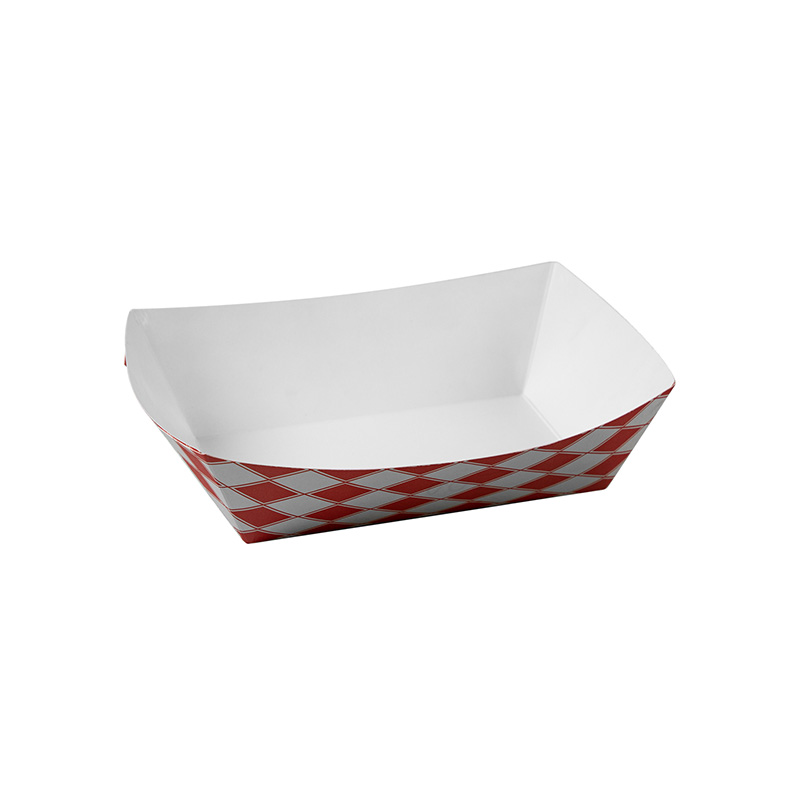
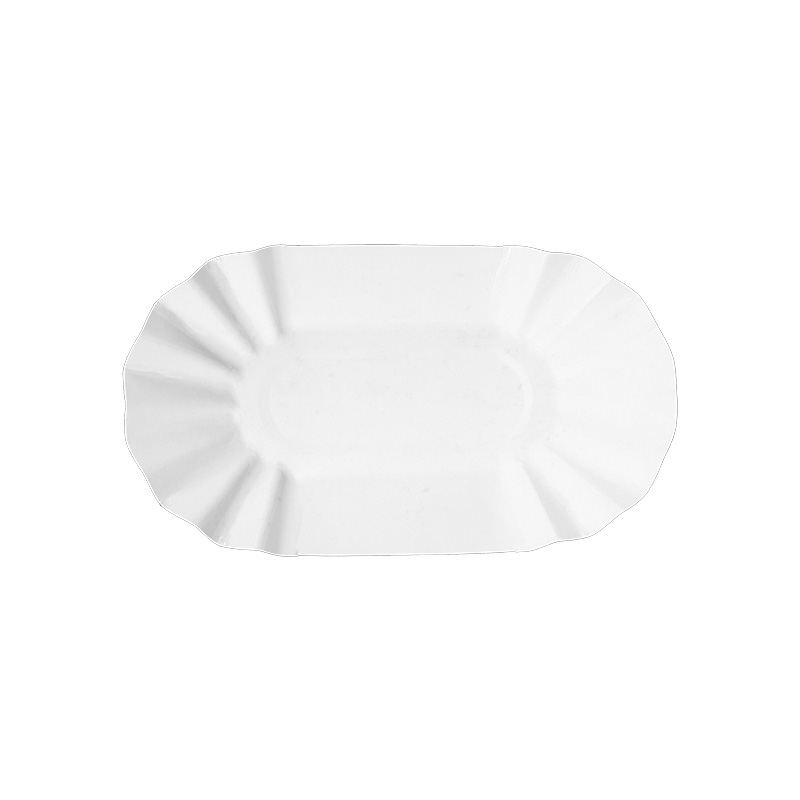
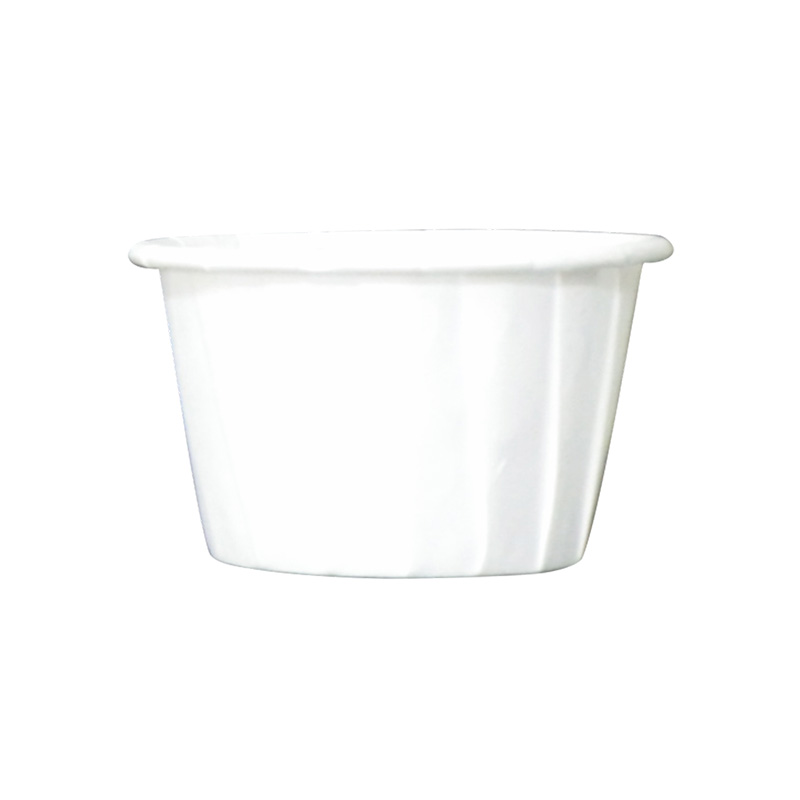
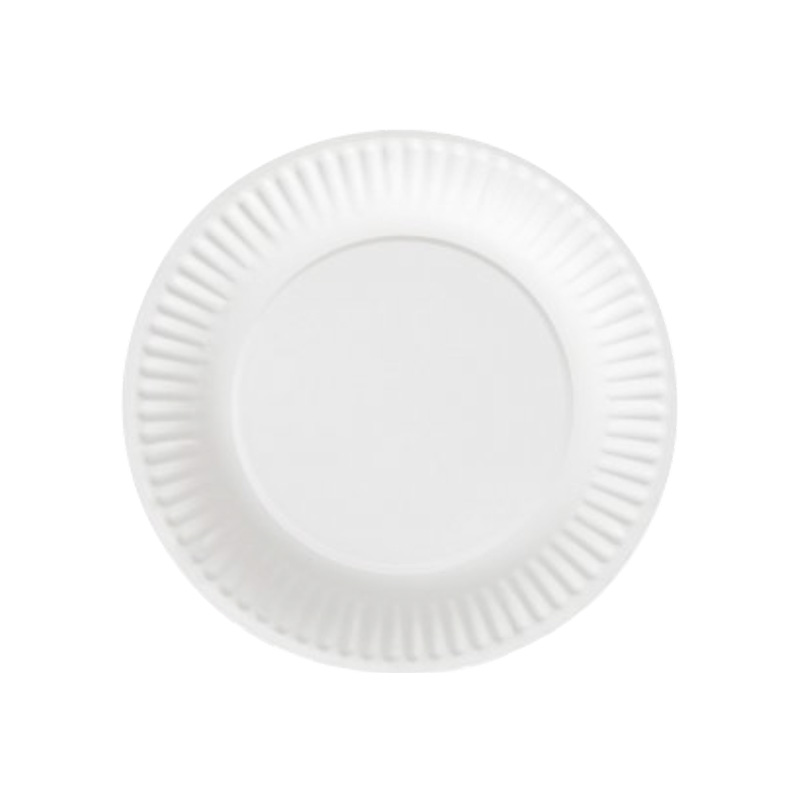

Heavy Gauge Board
Thicker board and reinforced corners keep the tray flat under a loaded portion, even when carried by hand through a crowd.

Thick, grease-resistant paper trays for fries, nachos, hot dogs and finger foods. Boat, rectangular and compartment shapes that stay flat under a full portion and look great in a photo.
Explore more compostable and disposable food service products from the same manufacturing group.
How rigid paperboard trays carry hot, greasy and heavy food, what boat, rectangular and compartment shapes are for, and where a paper tray beats plastic or foam.
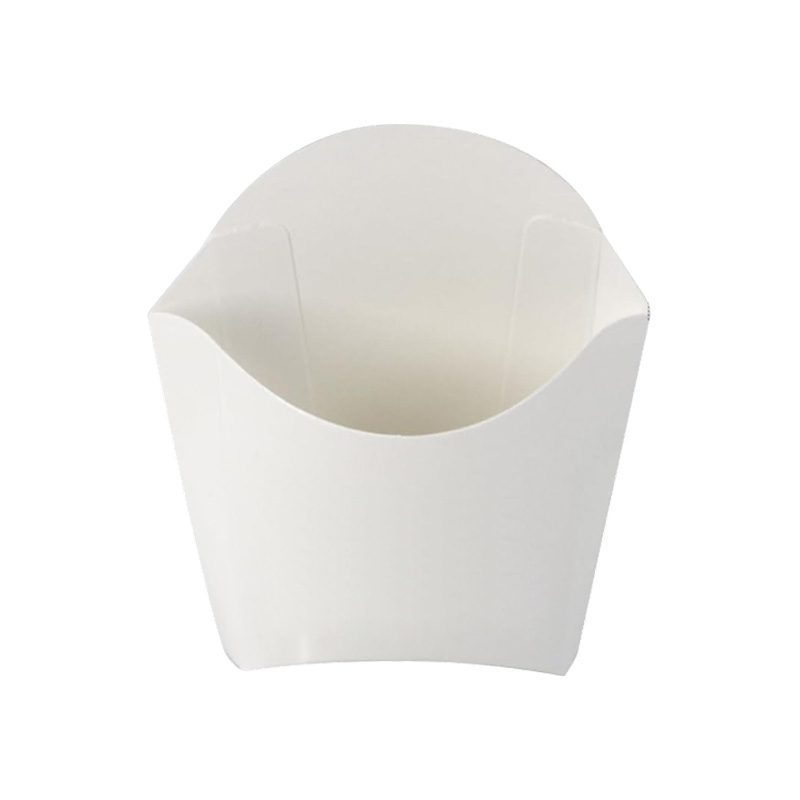
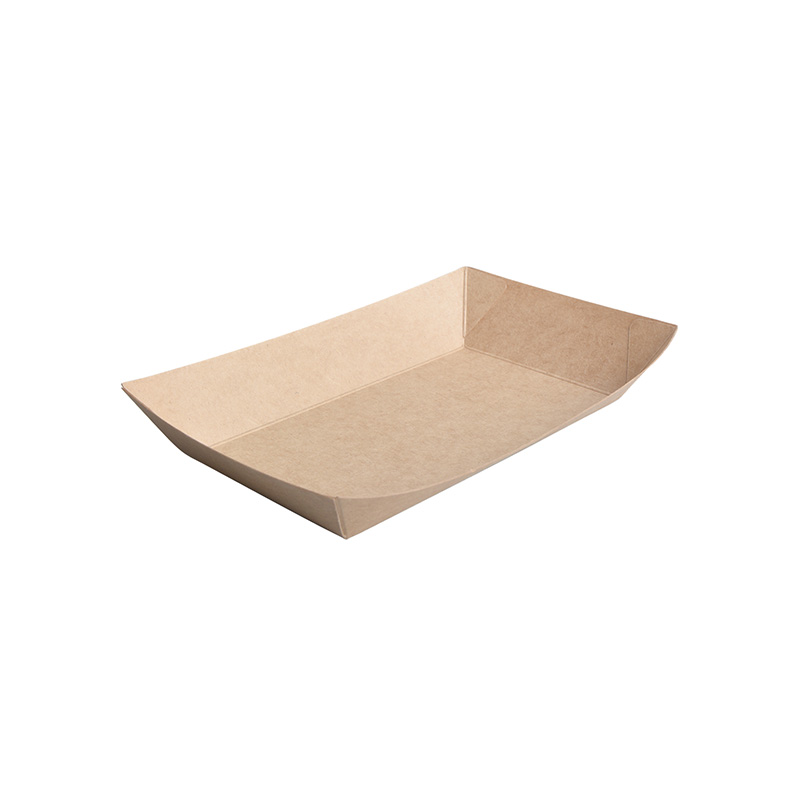
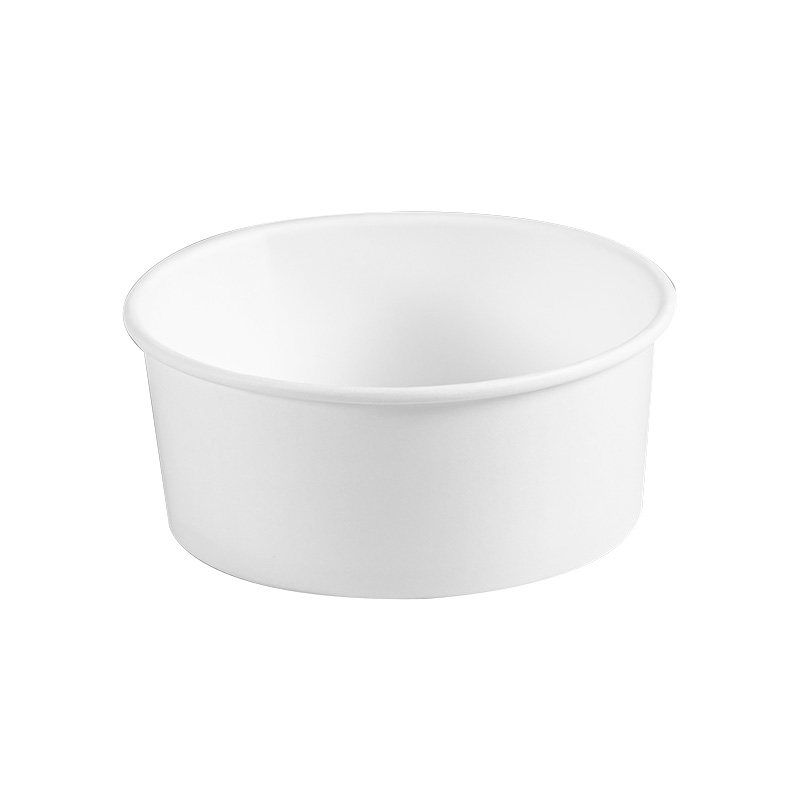
Heavy duty paper food serving trays are open or lidded trays made from thick, grease-resistant paperboard, used to serve and carry foods that are eaten by hand or with minimal cutlery: fries, nachos, hot dogs, fried chicken, tacos, sandwiches, snacks and finger foods. They are shaped in forms such as boat trays with tapered ends, rectangular trays, square trays, and compartment trays, each sized for a specific menu item.
Heavy duty refers to the thickness and rigidity of the board and the strength of the folded corners. A thin tray bends when picked up with one hand, letting food slide off, and can soak through after a few minutes of grease. A heavy duty tray stays flat, supports a full portion and keeps the food in place when carried through a crowd. The board is usually coated or lined to resist oil, so the bottom remains firm and the outside stays clean.
These trays are everywhere that food is sold fast: stadiums, fairs, food trucks, cinemas, street markets and counter-service restaurants. They serve a double role as container and plate. Customers can eat from the tray directly, with no extra plate, and then drop it in a bin. For vendors, that means one item to buy, store and clear, rather than several.
Start with the food and the way it is eaten. Fries and nachos need an open boat tray with low sides. Sandwiches and burgers fit a rectangular tray with a gentle rim. Wings, ribs and fried chicken need a deeper tray that can hold sauce and bones without spilling. A short list of your best sellers will point to two or three tray sizes that cover most orders.
Consider the board strength. For light snacks, a medium weight tray is enough. For heavy plates such as loaded fries or a pound of wings, choose a heavier gauge board with reinforced corners. If the tray will be carried by hand through a crowd, consider a slightly stiffer structure with an upturned lip for grip.
Look at the lining. Grease-resistant coatings are essential for fried and sauced food. Water-based barrier coatings give a plastic-free option with good oil resistance for most snacks, while PE or PLA linings give extra protection for very wet foods or longer holding times. We can test trays with your signature dishes to match the lining to the food.
Finally, plan the brand. Printed trays are often visible in photographs on social media, and they turn a simple snack into a branded product. Checkered patterns, logos or a slogan on the tray can give a vendor a distinctive look. For events, a printed tray with the event name creates an instant keepsake and increases brand recall.
Service speed is a hidden benefit. A tray that holds food firmly allows staff to pass it across a counter with one hand, and customers can walk and eat without a table. In outdoor venues, a tray with a slightly upturned lip also keeps sauces contained in wind and on uneven ground, a small design detail that prevents a large amount of mess.
Typical serving tray configurations are listed below. Shape, size, board weight, lining and printing can all be customised.
| Material | Food-grade paperboard, 300 – 400 gsm, natural kraft or white-coated |
|---|---|
| Shapes | Boat tray, rectangular, square and compartment tray |
| Sizes | From 120 × 70 mm snack trays to 280 × 200 mm sharing trays |
| Lining | Grease-resistant water-based coating or PE / PLA lining |
| Wall Height | 20 – 60 mm depending on style |
| Temperature Range | Suitable for hot fried foods and cold snacks |
| Construction | Die-cut, scored and glued or locked corners |
| Printing | Plain or up to four colours; matte or gloss varnish |
| Packing | Flat-packed or nested trays in bundles, in master cartons |
| Lead Time | Usually 20 – 35 days for stock; 30 – 45 days for printed |




Sturdy, grease-proof and photogenic — the tray that holds the food and makes it look like part of the brand.
Thicker board and reinforced corners keep the tray flat under a loaded portion, even when carried by hand through a crowd.
A coating or lining on the inside stops oil from reaching the paperboard, so the tray stays firm and the outside stays clean.
Boat trays for fries, rectangular trays for burgers and fried fish, and compartment trays for combos give one range for the menu.
Customers eat straight from the tray, so no extra plate is needed. That saves cost and clearing time, and speeds up the line.
Flat-packed or nested trays take little storage space, a real advantage for food trucks and small stalls.
Patterns, logos and slogans show on every photo of the food. Natural kraft or bold prints both work to make the tray part of the brand.
We work with distributors, hospitality groups and retail brands across multiple markets and regions.
















Eight strengths that shape how we develop, manufacture and deliver paper serving trays and takeaway packaging at scale.
A recognised voice in the sector, participating in the development of industry standards and supported by growing demand for degradable materials at home and abroad.
R&D, production, manufacturing, sales and service are integrated under one organisation, creating an efficient and sustainable operating ecosystem.
Continuous investment in new technology and production, with targeted material development supported by academic expertise in polymer and materials science.
A broad product line paired with strong design and high customisation capability, so different industries can receive products built for their specific needs.
Intelligent production workshops and automated mechanical equipment keep output consistent and lead times predictable, even at high volume.
A global outlook with service to customers worldwide. Group headquarters in Ningbo, China, and a production base in Vietnam.
More than a decade of focus on quality, with international awards and manufacturing carried out strictly to the highest industry standards.
A diversified core management team drawn from benchmark companies in different industries, forming a distinctive corporate DNA.
A recognised position in the industry with participation in the formulation of industry standards, alongside domestic and global support for the environmentally friendly degradable sector.
R&D, production, manufacturing, sales and service are integrated to create an efficient and sustainable enterprise operation ecology.
Vigorous investment in the development and production of new technologies, with targeted technology development supported by professors from the Institute of Materials of the Chinese Academy of Sciences.
An extensive product line with excellent product design and high customisation capability, producing tailored products for the different needs of various industries.
Intelligent production workshops and automated mechanical production equipment create an industry-efficient enterprise.
Positioning global and serving the world, with the group headquarters in Ningbo, China, and a base in Vietnam.
Thirteen years focused on quality, with numerous international awards and manufacturing carried out strictly in accordance with the highest industry standards.
A diversified core management team with professionals from benchmark companies in different industries and management teams in diversified fields, forming a unique corporate DNA.
Trays are tested with hot oil and fried food for a set time to confirm that grease does not pass through the board.
A serving tray has to hold hot, oily food safely. Material compliance is documented, and grease, strength and stacking tests are run in the factory.
US food-contact regulations applying to paperboard, coatings and adhesives.
European framework regulation for materials in contact with food.
Chain-of-custody certified board supplied on request for responsible forestry claims.
Trays filled with hot oil and fried food and inspected for seepage and softening.
Corner strength, board stiffness and fold quality checked on every production lot.
Selected certifications and awards that support our compostable and food-contact product range.






How a heavy duty paper tray compares with plastic and foam alternatives for finger food service.
Foam trays are cheap and insulating, but they are restricted in many places and look dated. Plastic trays are strong and reusable, but they cost more per use and take more space.
Paper trays sit between the two. They are cheap, compact, printable and natural-looking. With heavy gauge board and grease-resistant lining, they handle hot fried foods without bending or leaking.
The comparison table sets out strength, grease resistance, storage space, print area and regulatory outlook, helping you decide for your menu and venue.
Consider also the effect on cleaning. A paper tray is thrown away with the food, so there is no washing, no breakage and no storage of dirty items, which is why paper trays are a favourite for pop-up and seasonal operations.
| Attribute | Paper Tray | Plastic Tray | Foam Tray |
|---|---|---|---|
| Strength | High with heavy gauge | High | Moderate |
| Grease resistance | Good with coating | Excellent | Good |
| Storage space | Flat or nested | Nested | Bulky |
| Print area | Large | Label only | Poor |
| Natural look | Strong | Plastic look | Foam look |
| Insulation | Moderate | Low | High |
| Unit price | Low to mid | Mid | Lowest |
| Regulatory outlook | Favourable | Mixed | Restricted |
High-volume venues where food has to be served fast, carried by hand and eaten on the go.


Changya New Material Technology Co., Ltd. was founded in 2013, and the group is headquartered in Ningbo, China. It is a limited liability company integrating R&D, production, and sales. As China Heavy Duty Paper Food Serving Trays Manufacturers and Wholesale Heavy Duty Paper Food Serving Trays Factory,, the company mainly produces paper, PLA & plastic disposable tableware, such as straws, cutlery, microwaveable box, hinged box, cup, carry-out bags, plates, dining kits, etc.
Changya New Material Technology Co., Ltd. has developed rapidly since its establishment, with constant growth each year, and has now become an enterprise in the field of high-quality disposable food and kitchen supplies in China.
Two manufacturing bases with automated production lines and strict quality control at every stage, from raw material to finished carton.

















Choose the tray shape, board and lining for your food, then print it to look like part of the brand.
Boat, rectangular, square and compartment trays in sizes for snacks, mains and sharing platters.
Medium or heavy gauge board according to portion size and the level of grease.
Water-based barrier for light duty, or PE / PLA lining for very oily or wet foods.
Checkered patterns, logos and slogans in up to four colours, with matte or gloss varnish.
Matching lids, paper covers or vented lids for delivery and for protecting food from weather.
Paper liners, napkins and wrap sheets that match the tray and complete the service set.
A six-dimension comparison of paper, plastic and foam serving trays. Scores are relative to the best performer in each dimension (5=best).
Strong, grease-resistant and highly printable, with excellent storage efficiency and a favourable eco image.
Excellent grease resistance and reusable, but costlier per use and a weaker eco image.
Lowest cost and good insulation, but low strength, poor branding and widely restricted.
How paper trays compare with plastic and foam on storage space and carbon footprint.
Approximate packed volume of 1,000 trays. Lower volume means lower storage and transport impact. Values are indicative.
Indicative cradle-to-gate CO₂ equivalent per kilogram of material. Lower is better.
From plant sugar to a wrapped straw on a café counter — five stages that define the quality of the finished product.
Plant sugars from corn starch or sugarcane are fermented by bacteria to produce lactic acid, the building block of the polymer.
Lactic acid molecules are linked into long chains to form PLA resin, which is then pelletised for easy handling and transport.
The resin is melted and pushed through precision dies to form straw tubes with a consistent wall thickness and smooth surface finish.
Tubes are cut to length, the ends are finished to remove burrs, and samples are checked for straightness, diameter and appearance.
Each straw is sealed into its own paper wrapper — plain or printed — then counted into inner boxes and master cartons.

From forest fibre to recycling — the full journey of a heavy duty paper food serving tray.
Paperboard from wood pulp is coated with a grease-resistant barrier.
Sheets are printed, die-cut, scored and folded or glued into tray shapes.
Trays are bundled flat or nested and cartoned to save space.
The tray is filled with hot or cold food, carried and eaten from, then discarded.
Clean trays go to paper recycling; greasy trays go to composting where accepted or to general waste.
With two manufacturing bases and established export partnerships, our paper trays reach customers across five main regions.
Paper trays arrive flat or nested and take little space, but they should be kept dry. Store cartons in a ventilated area off the floor, away from steam and wet surfaces.
Avoid crushing bundles, which can bend creases and weaken corners. If you store trays in a food truck, keep them in a closed container to protect from grease splashes and dust.
At the counter, keep a small stack ready and the rest sealed. Place a liner under very oily food, and serve sauces in small cups beside the tray rather than poured over the tray surface.
In outdoor service, windy conditions can lift empty trays, so keep stacks weighted or in a dispenser. For hot foods, serve promptly, since long standing times can soften any paper tray.
Tell us the diameter, length, color and wrapping you need. Our team will reply within 24 hours with pricing, packing details and delivery time.
PLA straws have significant advantages in raw material selection, which stems from their u...
The biodegradability of PLA straws is one of its significant advantages in the field of en...
Disposable PP Cutlery is an upstart in the catering industry, and its lightweight design h...
Copyright © Changya New Material Technology Co., Ltd.All Rights Reserved.
Wholesale Heavy Duty Paper Food Serving Trays Manufacturers
