 English
 中文简体
中文简体
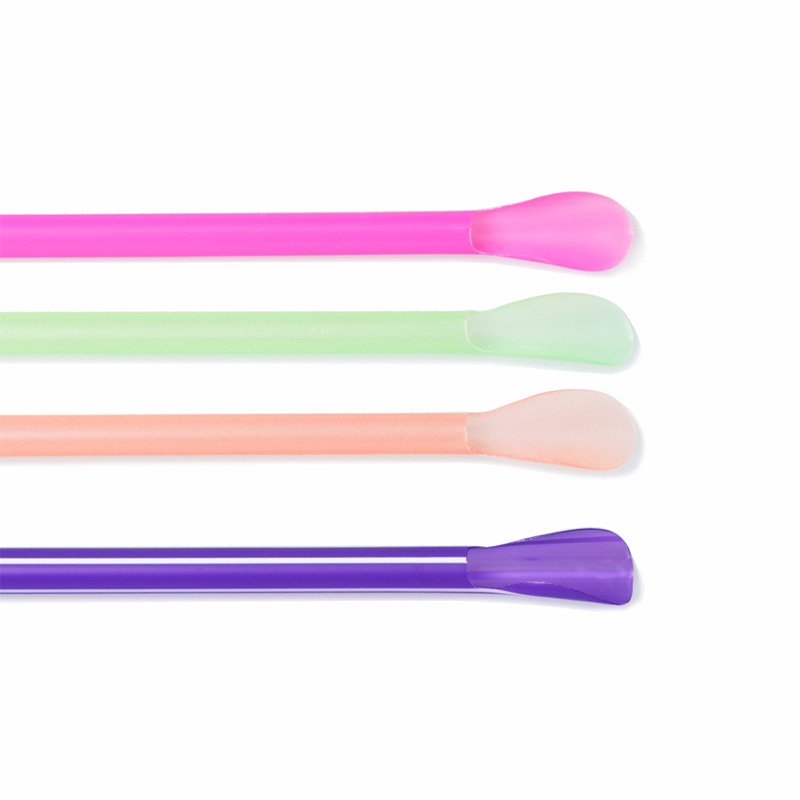
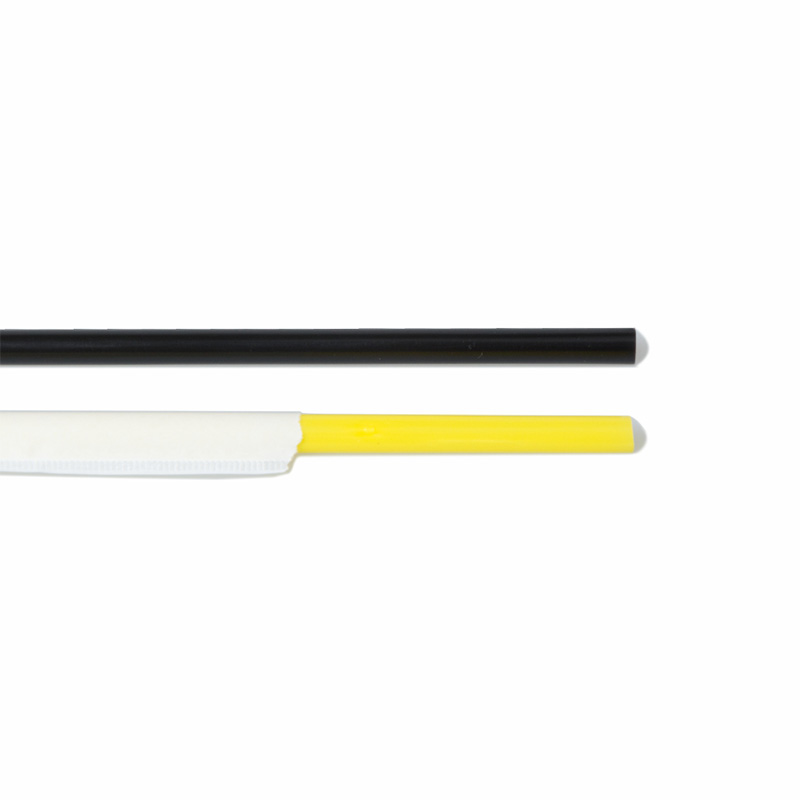
Plant-Based PLA Material
Produced from annually renewable corn starch instead of petroleum. The straw looks and feels like conventional plastic while cutting reliance on fossil resources.

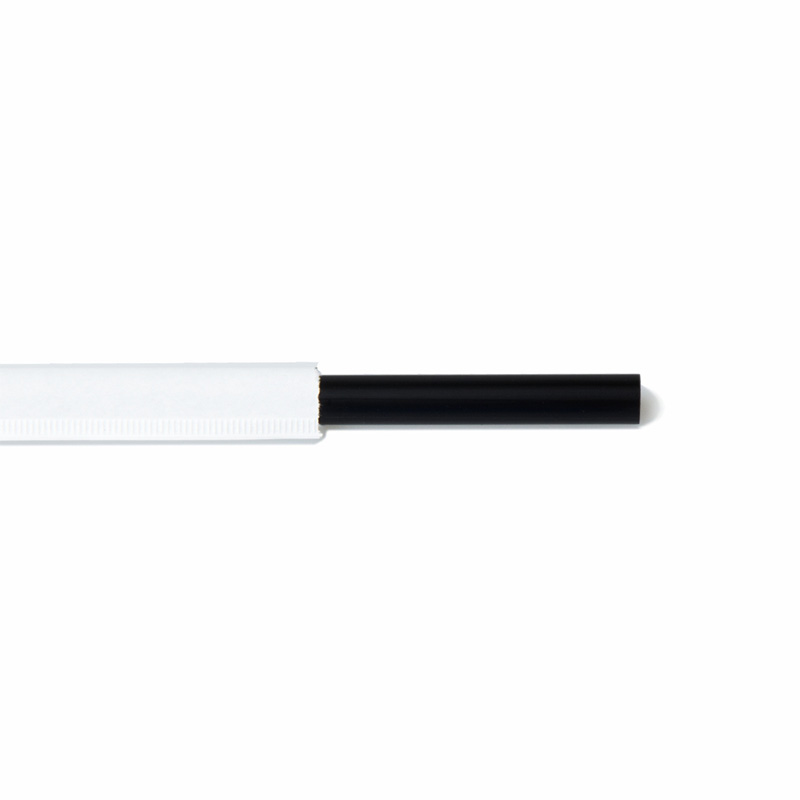
A clean, sturdy drinking straw made from renewable plant-based PLA and sealed in its own paper wrapper. Hygienic for your staff, friendly to the planet, and fully customizable for your brand.
Explore more compostable and disposable food service products from the same manufacturing group.
What the material is, how it is made, why the individual wrapper matters, and where a compostable straw genuinely fits.
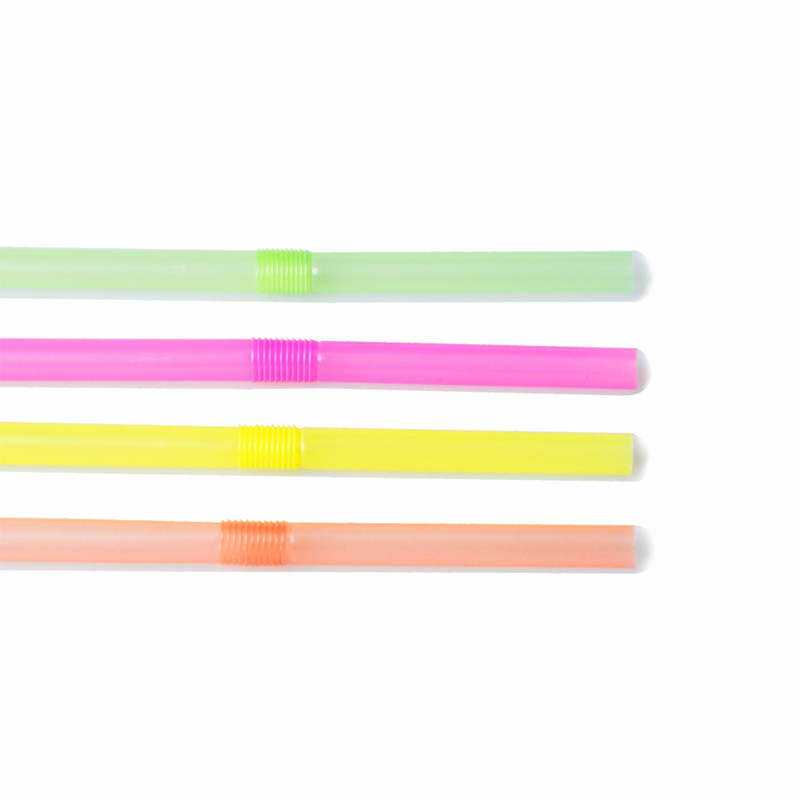
Compostable PLA individually wrapped straws are a single-use drinking accessory that offers a practical answer to plastic pollution without giving up the everyday convenience people expect. At the heart of the product is a material called polylactic acid (PLA) — a biobased polymer produced by fermenting renewable plant resources, usually corn starch or sugarcane, instead of petroleum. The result is a straw that looks, feels and performs like a conventional plastic straw, but follows a very different path once it is discarded.
For any business that serves cold drinks every day — from a corner café to hotels, event venues and delivery platforms — straws have always been one of the hardest single-use items to replace. Paper straws soften in the glass. Metal and bamboo straws need washing. Reusable options depend on the customer remembering to carry one. PLA straws sit in the gap between those choices. They behave like plastic, look like plastic and hold their shape through a normal drinking session, yet in the right conditions they break down into water, carbon dioxide and biomass rather than persisting in the environment for centuries.
The "individually wrapped" part of the name matters more than it first appears. Pre-wrapped straws stay protected from contamination on the journey from warehouse to customer. They allow servers and baristas to pick up a straw by the wrapper without ever touching the part that goes into someone's mouth. For takeaway and delivery orders, they arrive clean instead of loose at the bottom of a bag. In settings where hygiene standards are strict — healthcare facilities, school canteens, airport lounges, hotel minibars — an individually wrapped straw is often the only format that will pass inspection.
From a manufacturing point of view, PLA is produced by converting plant sugars into lactic acid through bacterial fermentation, then polymerizing that lactic acid into long chains. The finished polymer can be extruded, injection moulded and thermoformed on conventional equipment, which means existing production lines can be adapted without a complete rebuild. That is a large part of why PLA products have become cost-competitive with many traditional single-use plastics, and why so many packaging manufacturers around the world have adopted the material so quickly.
It is worth being honest about one thing: PLA does not compost in a backyard heap. Industrial composting facilities hold material at roughly 55–60 °C with carefully controlled moisture, and in those conditions microorganisms break PLA down within weeks rather than decades. In a home compost bin the process is much slower. That distinction matters, and responsible suppliers state the composting conditions clearly instead of hiding behind a vague "biodegradable" label.
When sourcing this type of straw, the questions worth asking are straightforward: is the material genuinely plant-based, is there independent certification for EN 13432 or ASTM D6400, is the wrapper made from virgin or recycled paper pulp, and is the outer packaging paper-based or compostable film? Custom sizing, colour and printed wrappers turn the straw from a commodity into a branding touchpoint — a small but surprisingly valuable detail when the item is handed directly to a customer.
In the end, compostable PLA individually wrapped straws are not a perfect solution. They are a pragmatic, mid-term answer: the same experience for the customer, the same workflow for the operator, and a measurable improvement over a world where billions of straws end up in landfill or the ocean every year.
Standard configurations are listed below. Custom dimensions, colors and packaging are available on request.
| Material | Plant-based PLA (polylactic acid) derived from renewable corn starch |
|---|---|
| Diameter | Slim, standard, wide and extra-wide options — custom diameters available |
| Length | Short, regular and long formats to suit different cup heights |
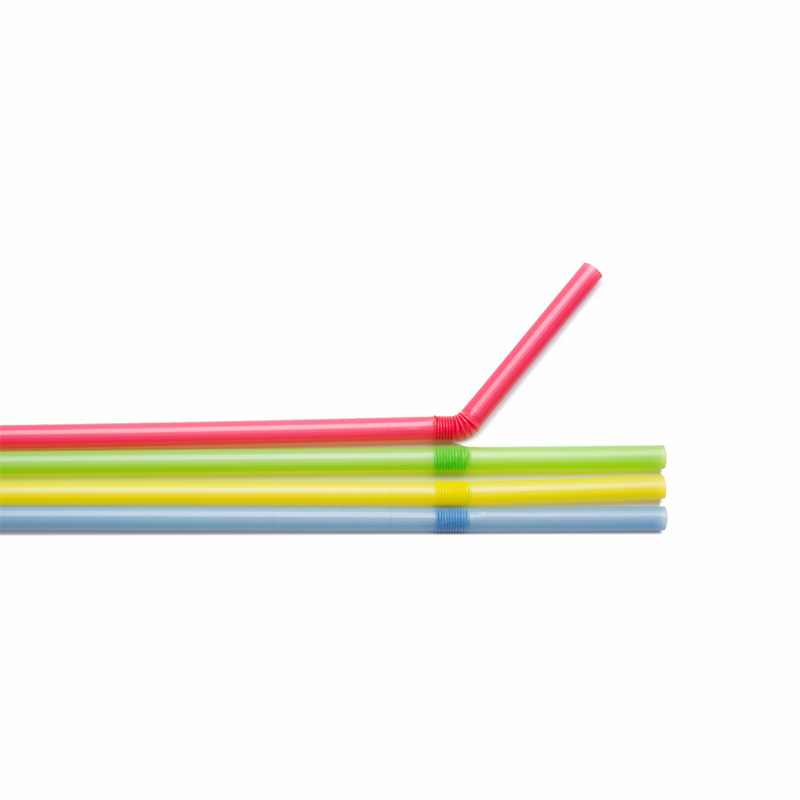
| Color | Natural white, green, black, or custom color matching |
| Wrapping | Individually wrapped in paper — plain or printed with your artwork |
| Heat Resistance | Suitable for cold drinks and short-term use in ordinary warm beverages |
| Certification | EN 13432 / ASTM D6400 / BPI / OK Compost (depending on item) |
| Packing | Flexible inner box and master carton quantities — configured to your needs |
| Minimum Order | Negotiable — trial quantities accepted for first orders |
| Lead Time | Usually 15 – 30 days after artwork and deposit confirmation |




Engineered for everyday food service — the drinking experience your customers expect, with the environmental profile your brand needs.
Produced from annually renewable corn starch instead of petroleum. The straw looks and feels like conventional plastic while cutting reliance on fossil resources.
Meets EN 13432 and ASTM D6400 requirements. In industrial composting conditions the straw breaks down into water, carbon dioxide and biomass — no persistent plastic residue.
Each straw is sealed in its own paper wrapper, keeping it clean and dust-free. Ideal for counters, self-service stations and delivery orders where hygiene matters most.
Precision extrusion gives the wall consistent thickness, so the straw resists softening in cold drinks and holds its shape in ordinary hot beverages. Cut ends are smooth and burr-free.
Choose from slim to wide diameters and a range of lengths to suit water, juice, coffee, smoothies, milkshakes and bubble tea.
Print your logo, colors and message on the paper wrapper or the straw itself. Trial orders and full container loads are both welcome.
We work with distributors, hospitality groups and retail brands across multiple markets and regions.
















Eight strengths that shape how we develop, manufacture and deliver compostable PLA products at scale.
A recognised voice in the sector, participating in the development of industry standards and supported by growing demand for degradable materials at home and abroad.
R&D, production, manufacturing, sales and service are integrated under one organisation, creating an efficient and sustainable operating ecosystem.
Continuous investment in new technology and production, with targeted material development supported by academic expertise in polymer and materials science.
A broad product line paired with strong design and high customisation capability, so different industries can receive products built for their specific needs.
Intelligent production workshops and automated mechanical equipment keep output consistent and lead times predictable, even at high volume.
A global outlook with service to customers worldwide. Group headquarters in Ningbo, China, and a production base in Vietnam.
More than a decade of focus on quality, with international awards and manufacturing carried out strictly to the highest industry standards.
A diversified core management team drawn from benchmark companies in different industries, forming a distinctive corporate DNA.
A recognised position in the industry with participation in the formulation of industry standards, alongside domestic and global support for the environmentally friendly degradable sector.
R&D, production, manufacturing, sales and service are integrated to create an efficient and sustainable enterprise operation ecology.
Vigorous investment in the development and production of new technologies, with targeted technology development supported by professors from the Institute of Materials of the Chinese Academy of Sciences.
An extensive product line with excellent product design and high customisation capability, producing tailored products for the different needs of various industries.
Intelligent production workshops and automated mechanical production equipment create an industry-efficient enterprise.
Positioning global and serving the world, with the group headquarters in Ningbo, China, and a base in Vietnam.
Thirteen years focused on quality, with numerous international awards and manufacturing carried out strictly in accordance with the highest industry standards.
A diversified core management team with professionals from benchmark companies in different industries and management teams in diversified fields, forming a unique corporate DNA.
Independently verified disintegration, biodegradation and ecotoxicity testing for packaging recoverable through composting.
A compostable claim is only as strong as the documentation behind it. Our PLA straws are supported by independent testing and factory-level quality control at every production stage.
European standard for packaging recoverable through composting and biodegradation.
US standard specification for compostable plastics, covering biodegradation and disintegration.
Independent certification scheme confirming suitability for industrial composting streams.
Materials produced to meet food-contact requirements for single-use drinking accessories.
Dimensional checks, wall thickness measurement and appearance inspection before packing.
Selected certifications and awards that support our compostable and food-contact product range.






A side-by-side look at how compostable PLA compares with the two alternatives most businesses are weighing up.
Paper straws were the first replacement most businesses tried, and the experience taught customers to expect a soggy straw after ten minutes. Traditional plastic straws still deliver the best mouthfeel and cost, but they are increasingly restricted or banned outright.
Compostable PLA straws were designed to close that gap. They keep the rigid, smooth drinking experience people associate with plastic, while carrying a plant-based origin and a certified end-of-life pathway. For operators, the practical difference is that staff do not have to apologise for the straw, and customers do not have to compromise on the drink.
The table opposite summarises the main differences across material origin, composting, durability in liquid, heat tolerance and customisation potential. It is a useful starting point when comparing quotations from different suppliers.
| Attribute | Compostable PLA | Paper Straw | Plastic Straw |
|---|---|---|---|
| Raw material | Renewable plant starch | Wood pulp / paper | Petroleum-based |
| Compostable | Yes, industrial | Yes, industrial | No |
| Softens in drink | Very slowly | Quickly | No |
| Mouthfeel | Smooth, rigid | Dry, papery | Smooth, rigid |
| Cold drinks | Excellent | Acceptable | Excellent |
| Warm drinks | Good, short term | Poor | Good |
| Printed branding | Wrapper or straw | Limited | Limited |
| Restaurant acceptance | High | Mixed | Restricted |
A practical replacement for single-use plastic straws across food service, hospitality and retail channels.


Changya New Material Technology Co., Ltd. was founded in 2013, and the group is headquartered in Ningbo, China. It is a limited liability company integrating R&D, production, and sales. As China Compostable PLA Individually Wrapped Straws Manufacturers and Wholesale Compostable PLA Individually Wrapped Straws Factory,, the company mainly produces paper, PLA & plastic disposable tableware, such as straws, cutlery, microwaveable box, hinged box, cup, carry-out bags, plates, dining kits, etc.
Changya New Material Technology Co., Ltd. has developed rapidly since its establishment, with constant growth each year, and has now become an enterprise in the field of high-quality disposable food and kitchen supplies in China.
Two manufacturing bases with automated production lines and strict quality control at every stage, from raw material to finished carton.

















Build the exact straw your business needs — from the first sample to full production.
Add your logo, brand colors, promotional message or a QR code to the paper wrapper. Up to four printed colors, with artwork guidance provided by our team.
Natural white and classic green are always in stock. Black, kraft tones and fully matched brand colors can be produced to order.
Choose the diameter and length that fit your cups and your drinks — slim for water and juices, wider for smoothies and bubble tea.
Paper wrap or compostable film wrap, individually or in bulk, with inner box and master carton quantities arranged to suit your warehouse and distribution.
Counter-top dispensers, shelf-ready boxes and consumer packs can be developed for retail, vending and online sales channels.
Combine different sizes, colors and wrapped formats in a single container to simplify ordering and reduce freight cost per unit.
A six-dimension comparison of compostable PLA straws, paper straws and conventional plastic straws. Scores are relative to the best performer in each dimension (5=best).
Strong across durability, mouthfeel and eco-rating. Slightly lower on cost and heat resistance, which is where plant-based material naturally sits today.
Excellent eco-credentials but limited on durability and heat resistance. Best suited to quick-service venues where drinks are consumed quickly.
Still the benchmark on cost and performance, but with a very low eco-rating and increasingly restricted in many markets.
A closer look at how compostable PLA performs across decomposition time and carbon footprint compared with the alternatives.
Approximate time to break down under ideal conditions for each material. Values are indicative and vary by environment.
Indicative cradle-to-gate CO₂ equivalent per kilogram of material. Lower is better.
From plant sugar to a wrapped straw on a café counter — five stages that define the quality of the finished product.
Plant sugars from corn starch or sugarcane are fermented by bacteria to produce lactic acid, the building block of the polymer.
Lactic acid molecules are linked into long chains to form PLA resin, which is then pelletised for easy handling and transport.
The resin is melted and pushed through precision dies to form straw tubes with a consistent wall thickness and smooth surface finish.
Tubes are cut to length, the ends are finished to remove burrs, and samples are checked for straightness, diameter and appearance.
Each straw is sealed into its own paper wrapper — plain or printed — then counted into inner boxes and master cartons.

From plant harvest to certified disposal — the full journey of a compostable PLA individually wrapped straw.
Renewable plant starch from corn or sugarcane is harvested and converted into lactic acid via fermentation.
PLA resin is extruded into straws, cut to length, quality-checked and individually wrapped in paper.
The wrapped straw is stored, distributed and handed to the customer, where it performs like a conventional plastic straw.
Used straw and wrapper are collected through the venue's organic waste stream or returned to an industrial composting facility.
In industrial composting conditions the straw breaks down into water, CO₂ and biomass within weeks, returning nutrients to soil.
With two manufacturing bases and long-standing export partnerships, our compostable straws reach customers across five main regions.
PLA is a hygroscopic material, which means it naturally absorbs moisture from the air. That is not a problem in normal use, but it does mean storage conditions matter for products that may sit in a stockroom for several months.
Keep cartons sealed until the straws are needed, store them in a dry, ventilated area away from direct sunlight, and avoid stacking them against external walls where condensation can form. Typical warehouse conditions are perfectly suitable. Once a box is opened, use it within a reasonable period and reseal any partly used cartons.
For front-of-house use, a covered counter dispenser keeps wrapped straws clean and accessible without exposing them to splashes or dust. Because each straw is individually wrapped, staff can refill dispensers quickly and hygienically without touching the drinking surface.
Outer packaging can be specified as paper-based or compostable film, depending on your waste streams and your customers' expectations. If your venue separates organic waste on site, matching the outer packaging to the same compostable stream keeps the whole product consistent from wrapper to carton.
Tell us the diameter, length, color and wrapping you need. Our team will reply within 24 hours with pricing, packing details and delivery time.
PLA straws have significant advantages in raw material selection, which stems from their u...
The biodegradability of PLA straws is one of its significant advantages in the field of en...
Disposable PP Cutlery is an upstart in the catering industry, and its lightweight design h...
Copyright © Changya New Material Technology Co., Ltd.All Rights Reserved.
Wholesale Compostable PLA Individually Wrapped Straws Manufacturers
