 English
 中文简体
中文简体
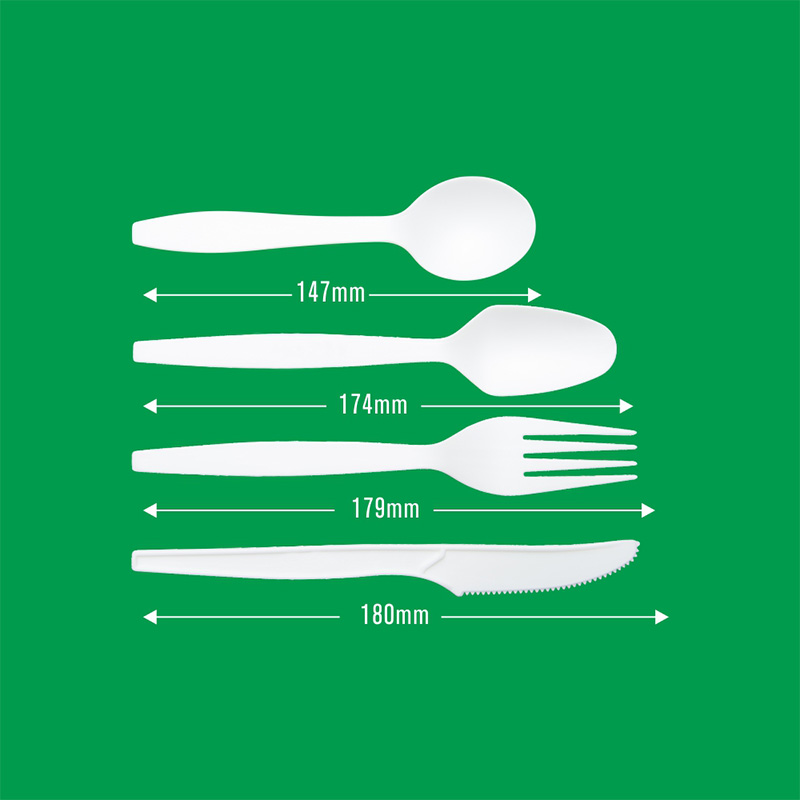
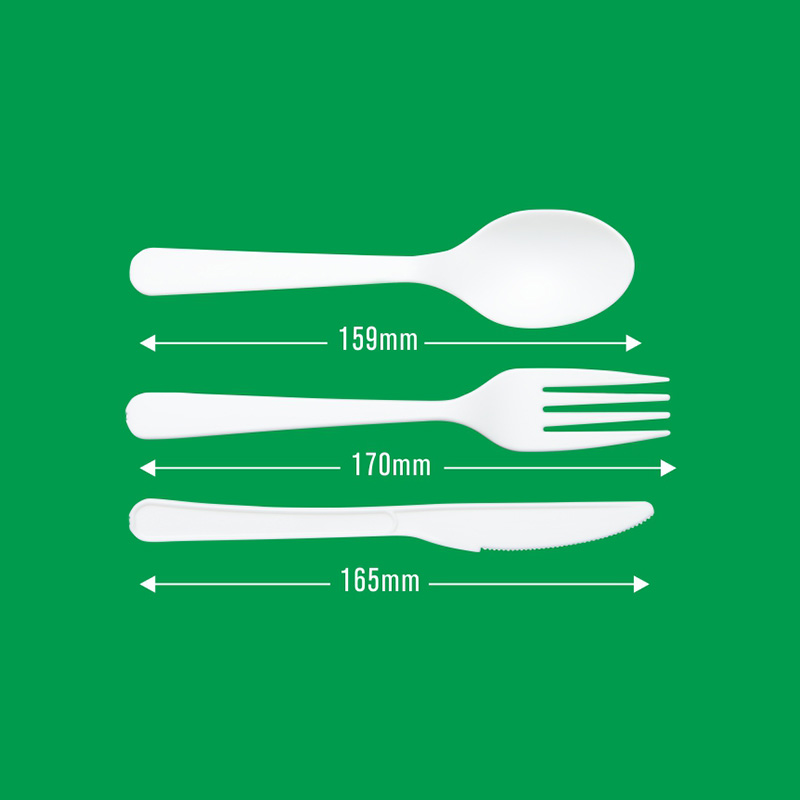
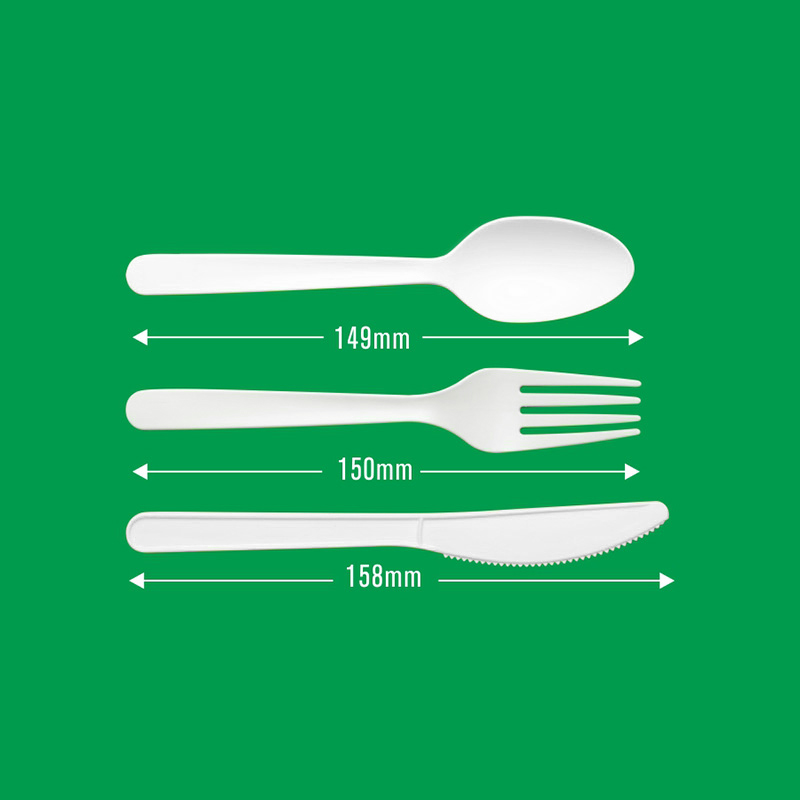
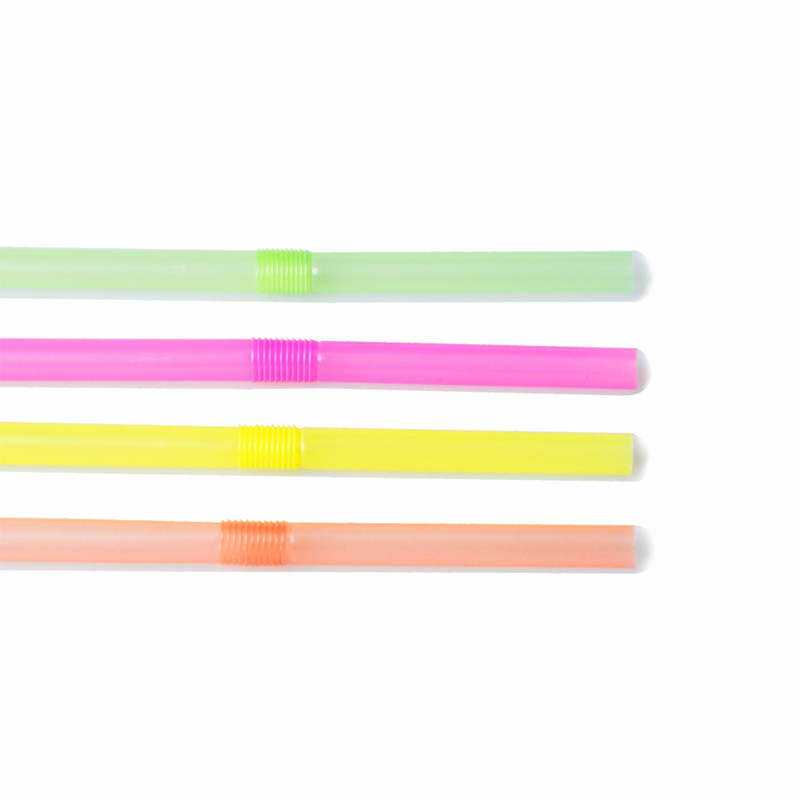
Renewable Plant-Based Material
Extruded from PLA made from annually renewable corn starch, the straw reduces dependence on fossil resources while keeping the appearance and feel that customers recognise.

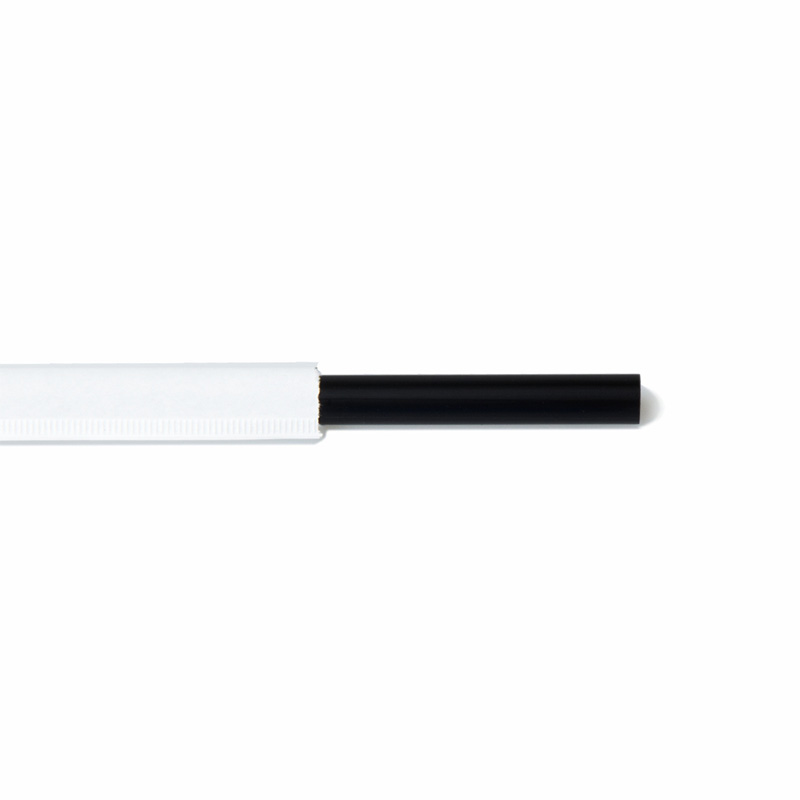
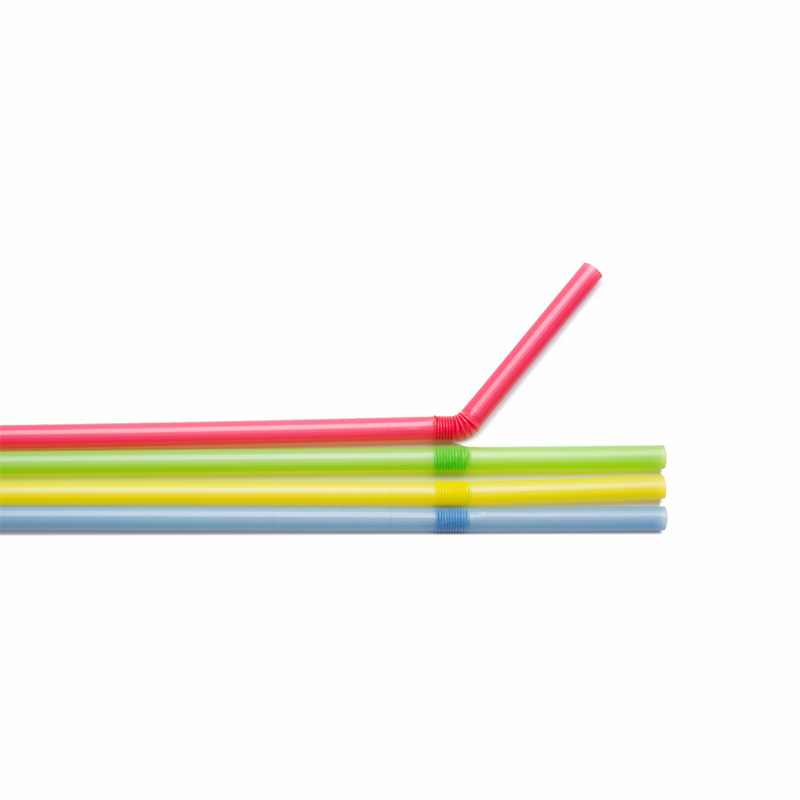
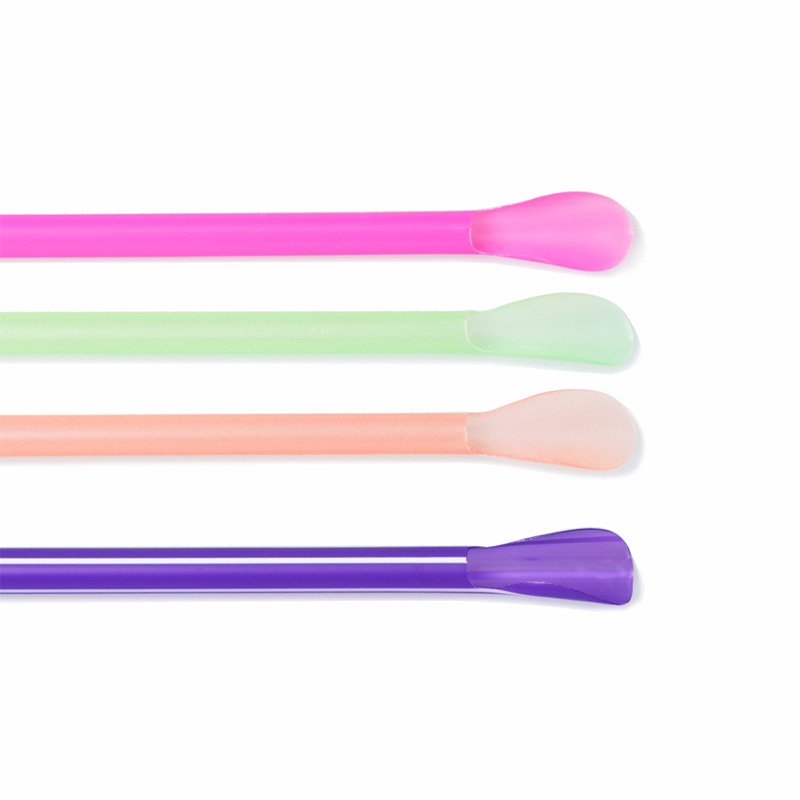
Smooth, sturdy plant-based drinking straws for everyday cold-drink service. Supplied in bulk or dispenser boxes, from slim cocktail sizes to jumbo boba straws with a pointed tip.
Explore more compostable and disposable food service products from the same manufacturing group.
Why bulk plant-based straws are the workhorse of the drinks trade, how they differ from wrapped and paper options, and what to specify when ordering at volume.
Eco friendly PLA drinking straws are single-use straws extruded from polylactic acid, a plant-derived polymer made from fermented corn starch or sugarcane. Supplied loose, in bulk bags or in dispenser boxes, they are the volume workhorse of the cold-drink trade: the straw dropped into an iced tea, a soda or a milkshake thousands of times a day. Their selling point is simple. They look and feel like a conventional plastic straw, yet they are made from a renewable raw material and can be composted in industrial facilities.
Most cafés, bubble-tea shops and quick-service restaurants do not need every straw to be individually wrapped. They want a reliable straw at a price that makes sense at volume, delivered in a format that fits a dispenser or a straw caddy. Bulk PLA straws are designed for exactly that: they are packed efficiently, cost less per unit than wrapped versions, and are available in diameters from slim cocktail straws to jumbo boba straws with a pointed tip.
The material also solves a problem that paper straws have never fully fixed. A PLA straw does not soften in a long-drunk soda or an iced coffee that sits on a desk for an hour. It keeps its shape, has a smooth rim and does not alter the taste of the drink. That consistency helps the operator, who gets fewer complaints, and the customer, who gets a drinking experience that matches what they expect.
For high-volume operators, packaging format is as important as raw material. Individually wrapped straws are essential in healthcare or airline settings, but they cost more, take longer to produce and generate extra packaging waste. Loose or lightly bagged straws give a lower unit cost, a smaller shipping volume and faster restocking, which is why they dominate the quick-service sector.
The production process is straightforward. PLA resin is dried carefully, because moisture is the enemy of clean extrusion, and then extruded through a die that forms the tube. The tube is cooled, cut to length and inspected. Wall thickness is monitored continuously, since a straw that is too thin will collapse and one that is too thick will feel stiff and use more material than necessary.
Responsible suppliers should describe the end-of-life clearly. PLA straws are designed for industrial composting at around 55 – 60 °C, where they break down within weeks. They are not a licence to litter, and they do not behave like a food scrap in a backyard compost bin. Honest communication, such as a simple note on the cup sleeve or bin sticker, protects both the customer's trust and your own reputation.
When specifying an order, consider cup height, drink viscosity, colour and packaging in turn. A small test with your usual drinks and cups, including a long-sit test, will reveal whether the diameter and length are correct. That small investment up front avoids a large-volume order of the wrong straw.
Cost per thousand is only part of the picture. Consider how many straws are wasted by customers who take two, how many cups are served per labour hour, and how often a soft straw leads to a complaint. A well-specified PLA straw, kept in a covered dispenser and handed out one at a time, often delivers a lower real cost per drink than a cheaper straw that is replaced or grabbed in handfuls. Ask for a landed cost comparison that includes freight, storage and wastage.
Standard bulk configurations are listed below. Diameter, length, tip style, colour and packing can all be customised.
| Material | Plant-based PLA (polylactic acid) derived from renewable corn starch |
|---|---|
| Diameter | 5 mm cocktail, 6 – 8 mm standard, 10 mm smoothie, 12 mm jumbo boba |
| Length | 140, 210, 230, 250 and 265 mm standard options |
| Tip Style | Straight cut or angled pointed tip for sealed cups |
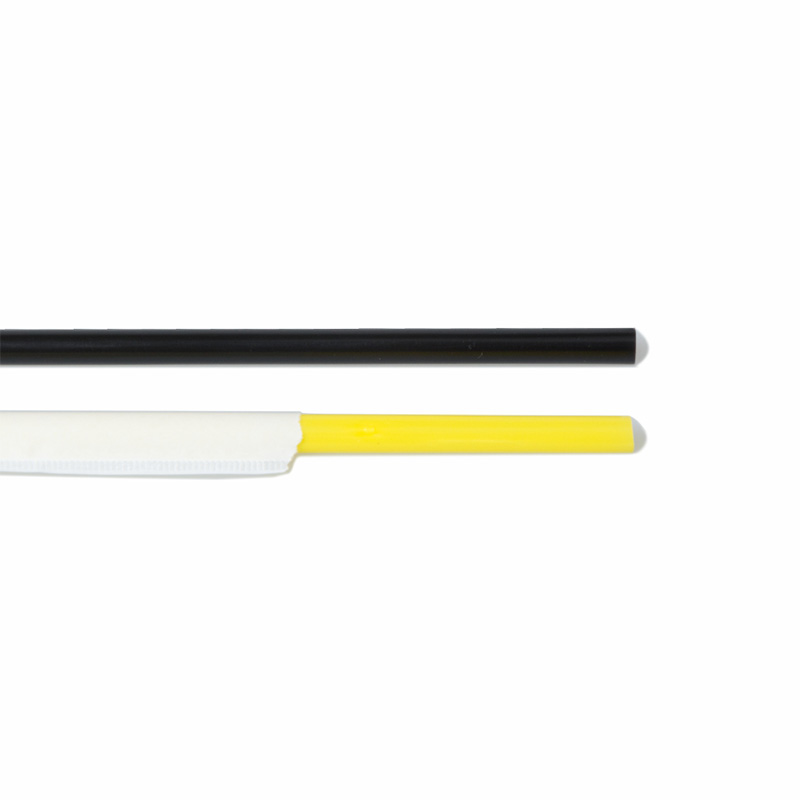
| Color | Clear, white, black, green or custom colour matching |
| Wall Thickness | Controlled for rigidity without excessive material use |
| Heat Resistance | Best for cold drinks and short use in lukewarm beverages |
| Packing | Bulk bags, paper inner boxes, dispenser boxes or master cartons |
| Certification | EN 13432 / ASTM D6400 / OK Compost (depending on item) |
| Lead Time | Usually 15 – 28 days after sample approval and deposit confirmation |




Built for the daily volume of a busy counter — dependable straws that perform in the cup and fit your sustainability plan.
Extruded from PLA made from annually renewable corn starch, the straw reduces dependence on fossil resources while keeping the appearance and feel that customers recognise.
A smooth, consistent wall resists softening in cold drinks and does not collapse in long-sit sodas, iced teas or milkshakes the way paper can.
From slim cocktail straws to wide smoothie and jumbo boba straws, one family covers every drink on a typical menu and every cup size in your range.
Angled-tip straws pierce film-sealed cups cleanly, a requirement for bubble tea and many takeaway drinks. Tip geometry is tuned to avoid splitting or crushing.
Loose or lightly bagged packing reduces packaging cost and shipping volume, so the straws cost less per unit than wrapped alternatives while remaining easy to store and dispense.
Clear, white, black and green are common, and colour matching lets a straw echo your brand palette. Printed boxes and dispenser labels add recognition at the counter.
We work with distributors, hospitality groups and retail brands across multiple markets and regions.
















Eight strengths that shape how we develop, manufacture and deliver eco friendly PLA drinking straws at scale.
A recognised voice in the sector, participating in the development of industry standards and supported by growing demand for degradable materials at home and abroad.
R&D, production, manufacturing, sales and service are integrated under one organisation, creating an efficient and sustainable operating ecosystem.
Continuous investment in new technology and production, with targeted material development supported by academic expertise in polymer and materials science.
A broad product line paired with strong design and high customisation capability, so different industries can receive products built for their specific needs.
Intelligent production workshops and automated mechanical equipment keep output consistent and lead times predictable, even at high volume.
A global outlook with service to customers worldwide. Group headquarters in Ningbo, China, and a production base in Vietnam.
More than a decade of focus on quality, with international awards and manufacturing carried out strictly to the highest industry standards.
A diversified core management team drawn from benchmark companies in different industries, forming a distinctive corporate DNA.
A recognised position in the industry with participation in the formulation of industry standards, alongside domestic and global support for the environmentally friendly degradable sector.
R&D, production, manufacturing, sales and service are integrated to create an efficient and sustainable enterprise operation ecology.
Vigorous investment in the development and production of new technologies, with targeted technology development supported by professors from the Institute of Materials of the Chinese Academy of Sciences.
An extensive product line with excellent product design and high customisation capability, producing tailored products for the different needs of various industries.
Intelligent production workshops and automated mechanical production equipment create an industry-efficient enterprise.
Positioning global and serving the world, with the group headquarters in Ningbo, China, and a base in Vietnam.
Thirteen years focused on quality, with numerous international awards and manufacturing carried out strictly in accordance with the highest industry standards.
A diversified core management team with professionals from benchmark companies in different industries and management teams in diversified fields, forming a unique corporate DNA.
Independent assurance that the material is suitable for industrial composting streams, supported by laboratory testing of disintegration and biodegradation.
High-volume buyers need paperwork that stands up to scrutiny. Our PLA straws are supported by independent testing and production-line quality control at every stage.
European standard for packaging recoverable through composting and biodegradation.
US standard specification for compostable plastics, covering biodegradation and disintegration.
Independent certification scheme confirming suitability for industrial composting streams.
Materials produced to meet food-contact requirements for single-use drinking accessories.
Diameter, wall thickness, straightness and cut-end inspection on every production lot before packing.
Selected certifications and awards that support our compostable and food-contact product range.






A practical look at how bulk PLA straws compare with the two alternatives most often quoted to high-volume drink operators.
For a busy drinks counter, straws are a daily consumable measured in thousands. A small difference in unit price, packing density or complaint rate becomes a significant annual figure. That is why operators compare options carefully rather than choosing on appearance alone.
Paper straws are widely accepted but can soften in long drinks and are bulkier to store. Conventional plastic straws are cheapest and perform well, but face restrictions and negative sentiment. PLA straws provide a mid-price, plant-based alternative with a familiar drinking experience.
The table on the right sets out the differences in origin, softening, storage volume, boba suitability and regulatory outlook. Use it to prepare a quotation comparison that covers more than the headline price.
| Attribute | PLA Straw | Paper Straw | Plastic Straw |
|---|---|---|---|
| Raw material | Renewable plant starch | Wood pulp / paper | Petroleum-based |
| Compostable | Yes, industrial | Yes, industrial | No |
| Softens in drink | Very slowly | Quickly | No |
| Boba suitability | Excellent | Acceptable | Excellent |
| Storage volume | Compact | Bulkier | Compact |
| Unit price at volume | Mid | Mid to high | Lowest |
| Colour options | Wide | Wide | Wide |
| Regulatory outlook | Favourable | Favourable | Restricted |
High-volume cold-drink service where a reliable straw has to go into every cup without slowing down the counter.


Changya New Material Technology Co., Ltd. was founded in 2013, and the group is headquartered in Ningbo, China. It is a limited liability company integrating R&D, production, and sales. As China Eco Friendly PLA Drinking Straws Manufacturers and Wholesale Eco Friendly PLA Drinking Straws Factory,, the company mainly produces paper, PLA & plastic disposable tableware, such as straws, cutlery, microwaveable box, hinged box, cup, carry-out bags, plates, dining kits, etc.
Changya New Material Technology Co., Ltd. has developed rapidly since its establishment, with constant growth each year, and has now become an enterprise in the field of high-quality disposable food and kitchen supplies in China.
Two manufacturing bases with automated production lines and strict quality control at every stage, from raw material to finished carton.

















Specify the straw dimensions and format that suit your cups, then add the packaging that suits your counter.
Choose from cocktail, standard, smoothie and jumbo diameters, in lengths from 140 to 265 mm. Custom sizes are possible for unusual cup shapes.
Straight-cut for open cups or angled pointed tips for film-sealed cups. Tip angle and sharpness are tuned to cut cleanly without cracking the straw.
Clear, white, black and green are common. Custom colours can be matched to a brand palette or seasonal campaign.
Loose bags for large kitchens, paper inner boxes for stock rooms, and dispenser boxes for front-of-house use, arranged to suit your warehouse.
Add your logo, branding or sustainability message to boxes and dispenser labels to reinforce your story at the counter.
Combine different diameters, colours and lengths in a single container to simplify ordering and cut freight cost per unit.
A six-dimension comparison of bulk PLA, paper and conventional plastic straws. Scores are relative to the best performer in each dimension (5=best).
Strong durability and boba performance with a good eco-rating. Cost sits between paper and plastic, and heat resistance is limited to cold and lukewarm drinks.
Strong environmental image but limited durability and thick-drink performance. Works best in quick-service settings with short drinking times.
The performance and cost benchmark, with the lowest eco-rating and increasingly restricted in many markets.
How bulk PLA straws perform on decomposition time and carbon footprint compared with paper and conventional plastic.
Approximate time to break down under ideal conditions for each material. Values are indicative and vary by environment.
Indicative cradle-to-gate CO₂ equivalent per kilogram of material. Lower is better.
From plant sugar to a wrapped straw on a café counter — five stages that define the quality of the finished product.
Plant sugars from corn starch or sugarcane are fermented by bacteria to produce lactic acid, the building block of the polymer.
Lactic acid molecules are linked into long chains to form PLA resin, which is then pelletised for easy handling and transport.
The resin is melted and pushed through precision dies to form straw tubes with a consistent wall thickness and smooth surface finish.
Tubes are cut to length, the ends are finished to remove burrs, and samples are checked for straightness, diameter and appearance.
Each straw is sealed into its own paper wrapper — plain or printed — then counted into inner boxes and master cartons.

From plant harvest to certified disposal — the full journey of an eco friendly PLA drinking straw.
Corn starch or sugarcane is harvested and converted into lactic acid by fermentation, then polymerised into PLA.
Dried PLA resin is extruded through a die, cooled, cut to length and checked for diameter and wall thickness.
Straws are counted and packed into bags, boxes or dispenser cartons, ready for storage and shipping.
The straw serves cold drinks at the counter and in the cup, behaving like a conventional plastic straw.
Collected with food waste, the straw breaks down in industrial composting into water, CO₂ and biomass within weeks.
With two manufacturing bases and regular container programmes, our eco friendly PLA straws reach customers across five main regions.
Bulk PLA straws are light, compact and easy to store, but they react to moisture and heat like any other PLA product. Cartons should remain sealed until needed and stored away from damp floors and external walls.
A dry, ventilated stockroom is ideal. Avoid leaving open boxes on a counter near a window, where sun can warm the straws and affect straightness. If a bag has been opened, reseal it and place it back in the carton.
For front-of-house use, a covered dispenser keeps straws clean and prevents customers from touching more straws than they need. Loading dispensers at the start of each shift limits handling and reduces waste.
Because straws are a high-volume consumable, tracking usage helps avoid overstocking. Monitoring weekly consumption lets you order the right quantity and keep stock fresh, which is particularly valuable for seasonal drinks.
Tell us the diameter, length, color and wrapping you need. Our team will reply within 24 hours with pricing, packing details and delivery time.
PLA straws have significant advantages in raw material selection, which stems from their u...
The biodegradability of PLA straws is one of its significant advantages in the field of en...
Disposable PP Cutlery is an upstart in the catering industry, and its lightweight design h...
Copyright © Changya New Material Technology Co., Ltd.All Rights Reserved.
Wholesale Eco Friendly PLA Drinking Straws Manufacturers
