 English
 中文简体
中文简体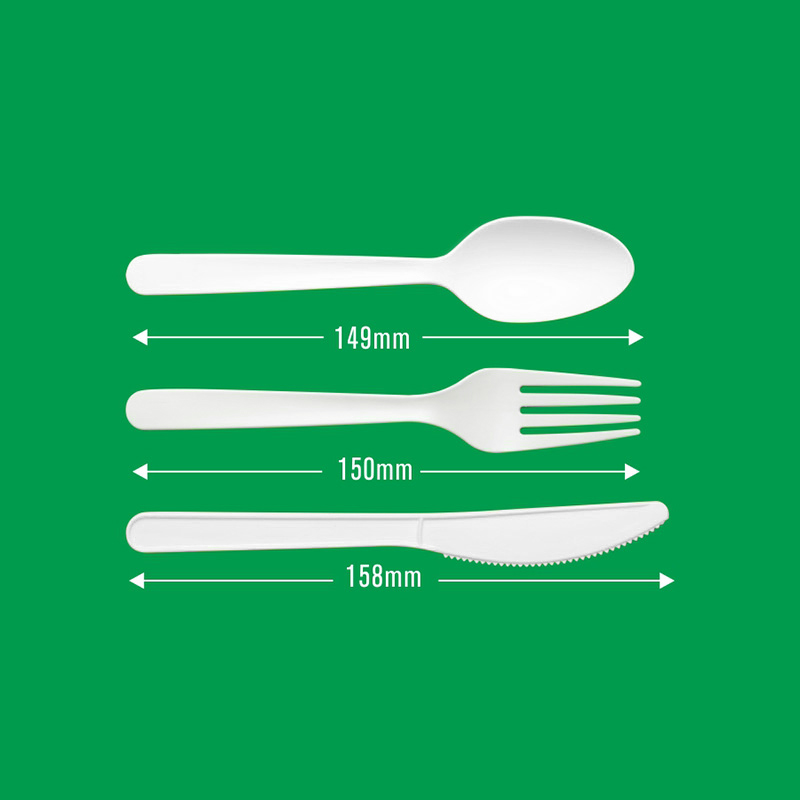
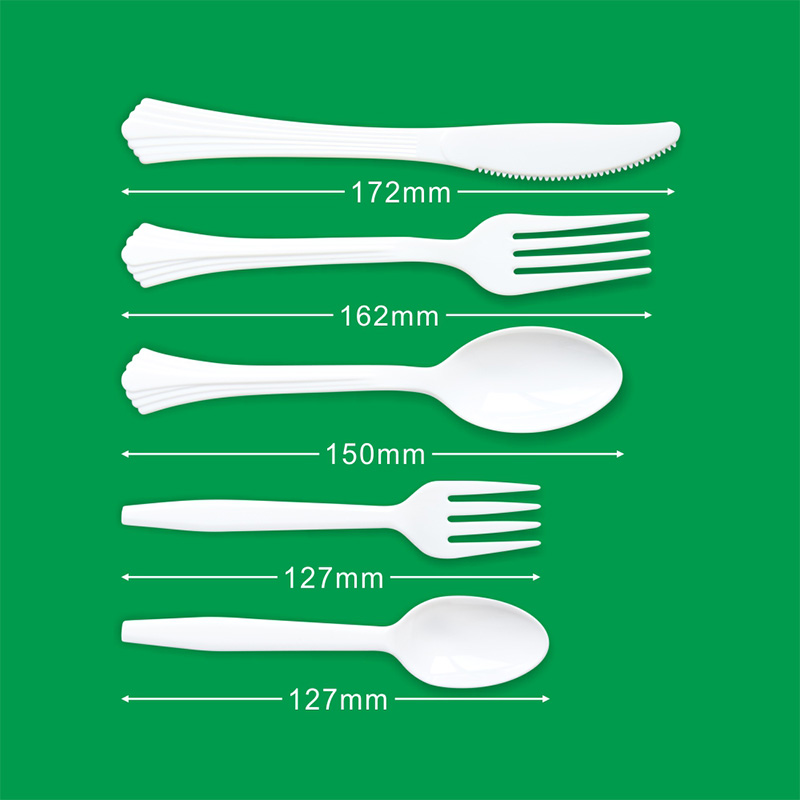
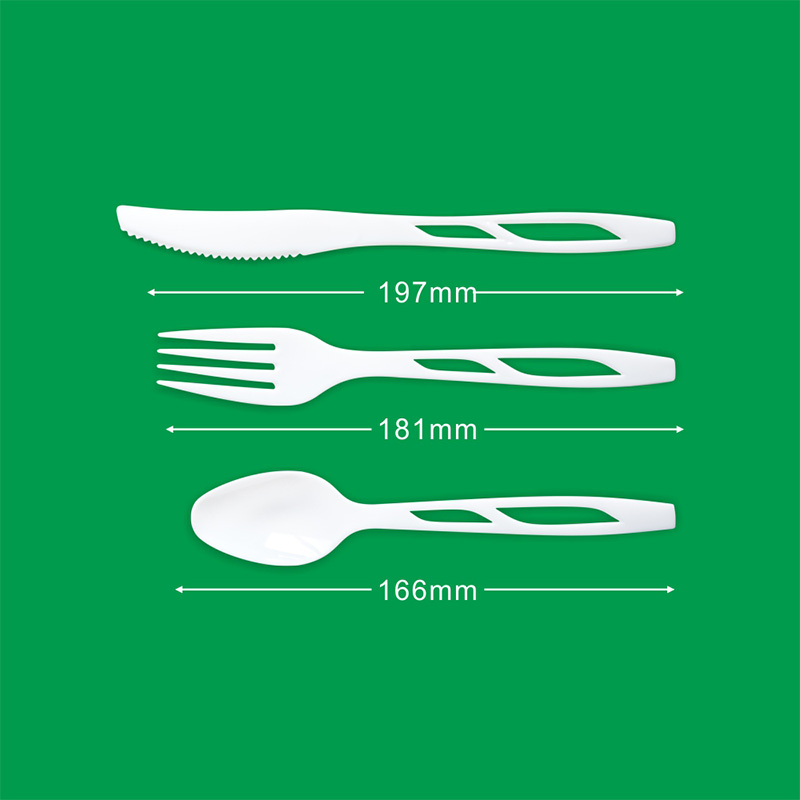
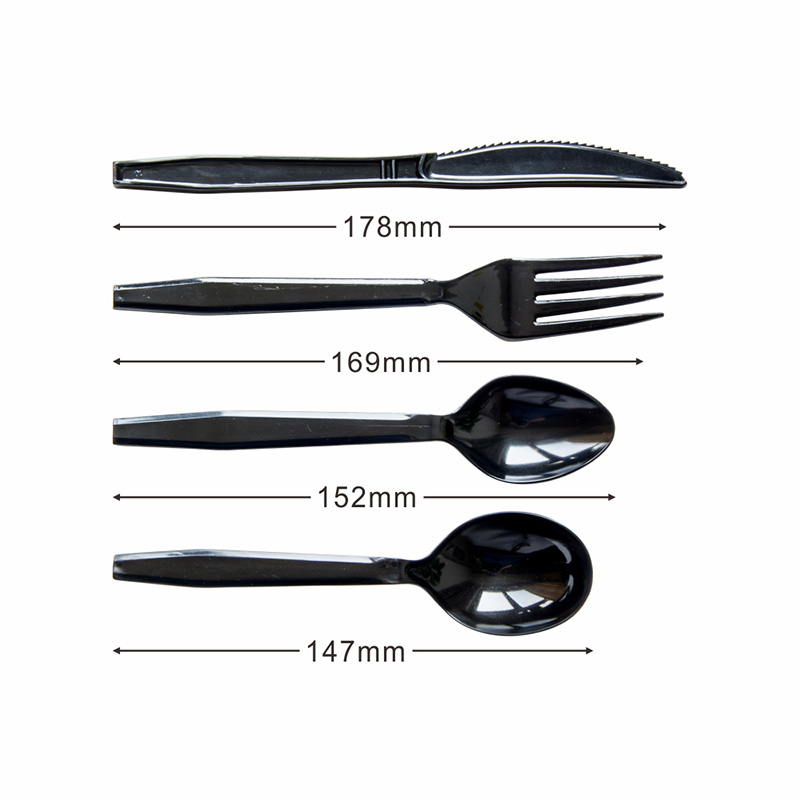
Complete Set in One Pick
One pack contains everything, so staff no longer count utensils. Packing is faster, and the chance of missing items falls.

Sealed dining kits with knife, fork, spoon and optional napkin, wipe and condiments, assembled and packed ready to hand out. Hygienic, fast to pack and easy to brand.
Explore more compostable and disposable food service products from the same manufacturing group.
Why a sealed kit is more than a set of utensils, how kits are assembled for airlines, caterers and delivery, and how to specify the contents.
Pre packaged disposable dining kits are sealed pouches or sleeves that contain everything a diner needs to eat a meal: typically a fork, knife and spoon, often joined by a napkin, a wet wipe, salt and pepper sachets, a toothpick and sometimes a straw. They are assembled in a factory or on a packing line, sealed, and delivered in cartons ready to be handed out. The customer receives a clean, complete set with a single tear.
The main value of a dining kit is not the cutlery but the system. Staff do not count utensils or reach into several bins. The kit protects the contents from dust and handling, which matters in hygiene-sensitive services such as airlines, hospitals, schools and delivery. The packing line is faster, mistakes are fewer, and stock control is simpler, because there is only one item to track for each meal.
Kits are usually made from plastic cutlery in polystyrene or polypropylene, with paper napkins and film or paper outer wraps. The weight of the cutlery, the type of napkin and the number of items can be adjusted to suit the meal and the budget. A basic two-piece kit with a fork and napkin costs very little, while a six-piece kit with knife, fork, spoon, napkin, salt and pepper and a wipe gives a full dining experience.
Begin with the service. An airline or rail operator needs compact, lightweight kits with a napkin, salt and pepper, and sometimes a wipe. A hospital needs sealed hygienic kits with sturdy cutlery for patients with limited strength. A delivery brand wants a simple, branded kit that fits in a bag. A school wants a low-cost three-piece kit that is easy to open for small hands.
Next, select the cutlery weight. Medium weight is enough for soft foods and short service, while medium-heavy and heavy cutlery is better for steak, chicken and dense foods. Remember that cutlery weight is a large part of the cost of a kit, so choose the weight your menu actually needs rather than defaulting to the heaviest.
Consider the wrap. A heat-sealed clear film is economical, airtight and shows the contents. A paper wrap looks natural and can carry print, but it is slightly more expensive and may need a seal sticker. For brands with sustainability goals, paper wraps and paper napkins can be combined with plant-based cutlery from our other ranges.
Finally, check the regulations. Some markets restrict plastic cutlery, so check local rules before ordering. If plastic is restricted, we can assemble the same kit with PLA, CPLA or fibre cutlery and paper wrap, preserving the format and the packing speed while meeting the rules.
A small point with a large effect is opening. A kit that is hard to tear creates frustration, especially for children, older customers and patients. A notched seal or a tear strip makes the kit easy to open without scissors, and is a small detail that customers appreciate and rarely forget. We can add a tear notch to film wraps on request.
Typical dining kit configurations are listed below. Contents, cutlery weight, wrap and printing can all be customised.
| Kit Formats | 2-piece (fork + napkin), 3-piece (knife, fork, spoon), 4-piece (+ napkin), 5-piece (+ salt and pepper), 6-piece (+ wet wipe) |
|---|---|
| Cutlery Material | Food-grade polystyrene (PS) or polypropylene (PP) |
| Cutlery Weight | Medium, medium-heavy or heavy class |
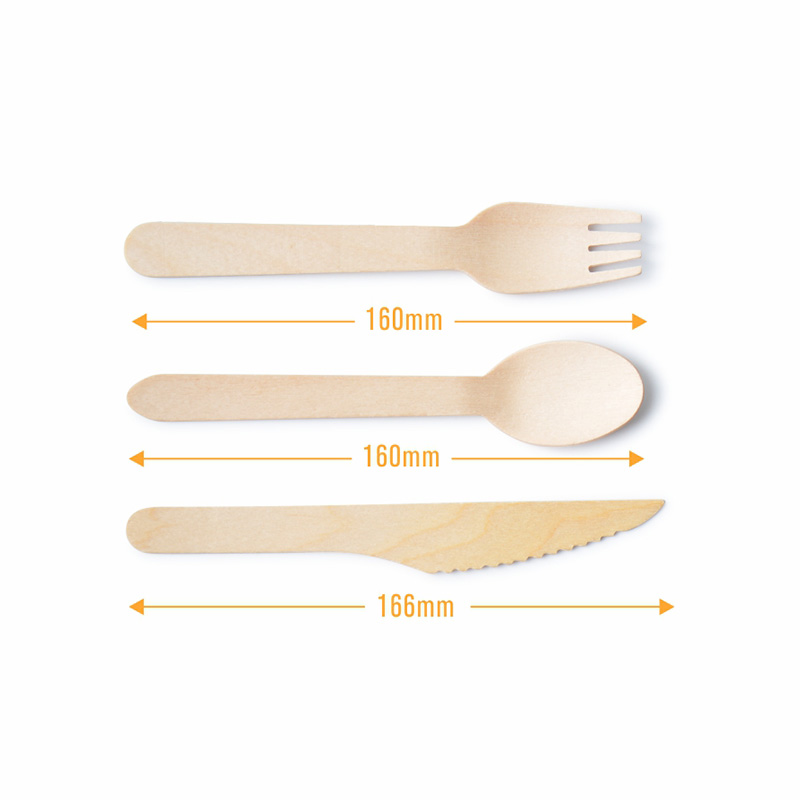
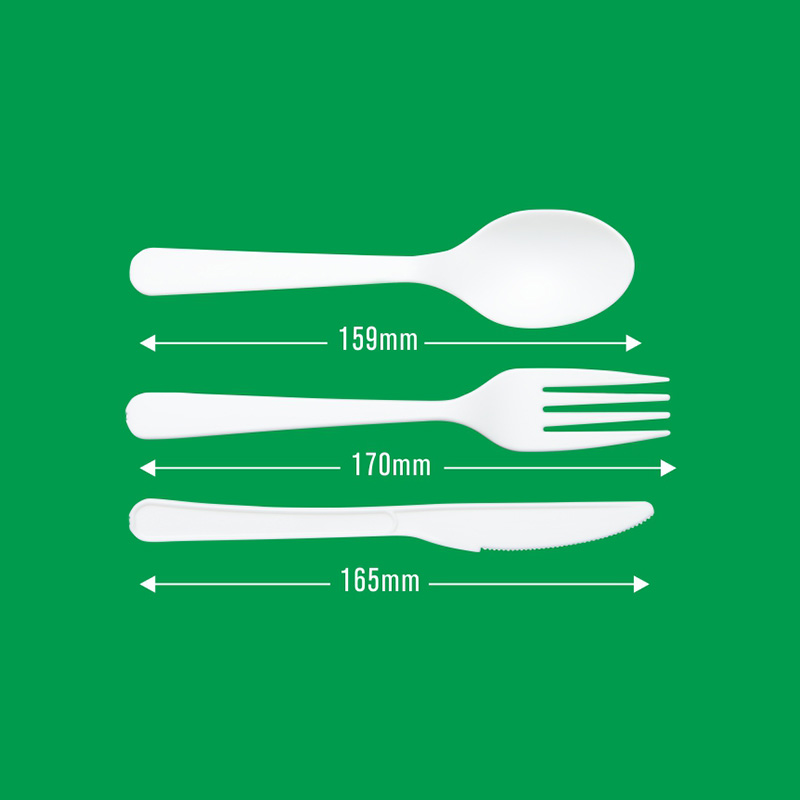
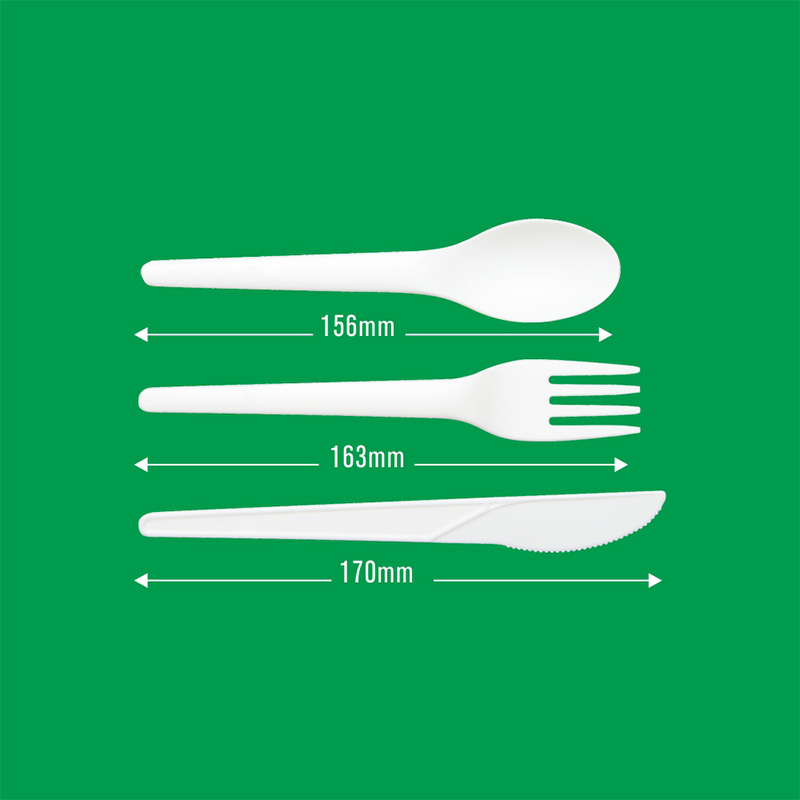
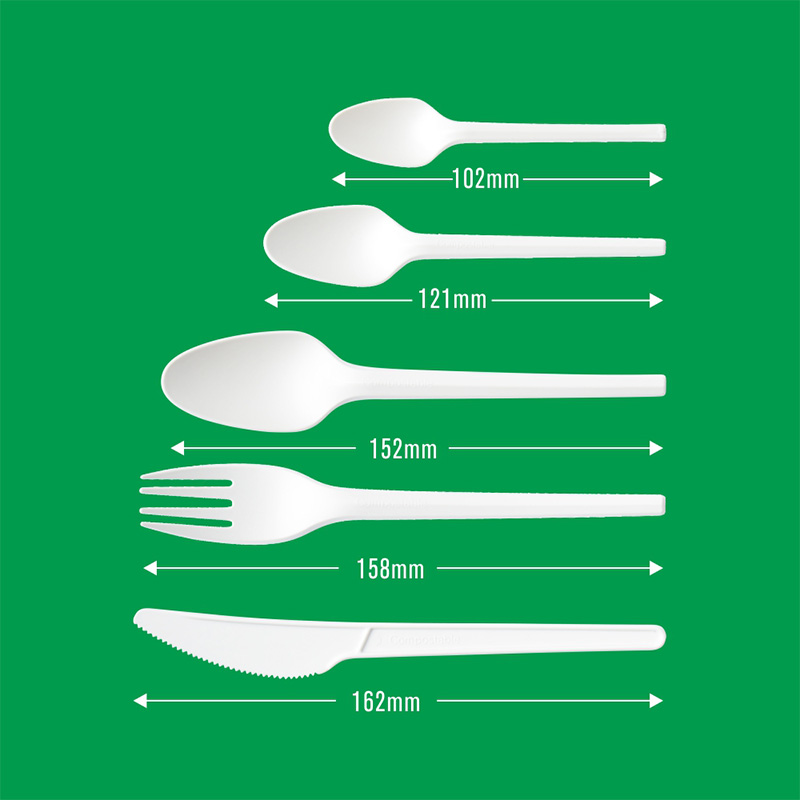
| Utensil Length | Fork, knife and spoon 150 – 185 mm |
| Napkin | 1-ply or 2-ply white or kraft, 30 × 30 cm or 33 × 33 cm |
| Outer Wrap | Clear PP film, PE film or printed paper wrap |
| Seal | Heat-sealed edges, sticker seal or paper band |
| Packing | Kits stacked in inner boxes of 250 / 500, in master cartons |
| Compliance | FDA and EU food-contact materials |
| Lead Time | Usually 20 – 35 days after artwork and deposit confirmation |




A single sealed pack that makes service faster, cleaner and more consistent, from the kitchen to the table.
One pack contains everything, so staff no longer count utensils. Packing is faster, and the chance of missing items falls.
Sealed packaging keeps cutlery clean from factory to table. This is essential for airlines, hospitals, schools and delivery.
Choose two to six pieces, with napkin, wipe, salt and pepper or toothpick, to suit each meal and budget.
Select medium, medium-heavy or heavy cutlery to match your menu and your price point, so you pay only for the strength you need.
Printed film, paper wraps and branded napkins carry your logo, message or QR code to every customer.
One item per meal simplifies ordering, storage and tracking, and gives a precise unit cost per meal.
We work with distributors, hospitality groups and retail brands across multiple markets and regions.
















Eight strengths that shape how we develop, manufacture and deliver pre-packaged dining kits and foodservice disposables at scale.
A recognised voice in the sector, participating in the development of industry standards and supported by growing demand for degradable materials at home and abroad.
R&D, production, manufacturing, sales and service are integrated under one organisation, creating an efficient and sustainable operating ecosystem.
Continuous investment in new technology and production, with targeted material development supported by academic expertise in polymer and materials science.
A broad product line paired with strong design and high customisation capability, so different industries can receive products built for their specific needs.
Intelligent production workshops and automated mechanical equipment keep output consistent and lead times predictable, even at high volume.
A global outlook with service to customers worldwide. Group headquarters in Ningbo, China, and a production base in Vietnam.
More than a decade of focus on quality, with international awards and manufacturing carried out strictly to the highest industry standards.
A diversified core management team drawn from benchmark companies in different industries, forming a distinctive corporate DNA.
A recognised position in the industry with participation in the formulation of industry standards, alongside domestic and global support for the environmentally friendly degradable sector.
R&D, production, manufacturing, sales and service are integrated to create an efficient and sustainable enterprise operation ecology.
Vigorous investment in the development and production of new technologies, with targeted technology development supported by professors from the Institute of Materials of the Chinese Academy of Sciences.
An extensive product line with excellent product design and high customisation capability, producing tailored products for the different needs of various industries.
Intelligent production workshops and automated mechanical production equipment create an industry-efficient enterprise.
Positioning global and serving the world, with the group headquarters in Ningbo, China, and a base in Vietnam.
Thirteen years focused on quality, with numerous international awards and manufacturing carried out strictly in accordance with the highest industry standards.
A diversified core management team with professionals from benchmark companies in different industries and management teams in diversified fields, forming a unique corporate DNA.
Every component of a dining kit — cutlery, napkin, wrap and sachets — needs food-contact documentation, because the customer handles all of them.
A dining kit is a combination of several materials. Documents confirm each component, and packing checks confirm that kits are complete and sealed.
US food-contact regulations covering PS and PP cutlery and film wraps.
European plastic food-contact regulation, applying to cutlery and film wraps.
Napkins and paper wraps produced from food-safe paper and low-migration inks.
Counts verified on samples from each batch to confirm that every kit contains the correct items.
Heat seals and bands inspected to confirm that kits are closed and clean.
Selected certifications and awards that support our compostable and food-contact product range.






How a sealed dining kit compares with loose cutlery and with individually wrapped single utensils.
Loose cutlery is cheap and flexible, but it is handled by staff and often over-supplied. Single utensil packs are hygienic but need three picks per meal and generate more packaging.
Dining kits combine hygiene and speed. They pack everything in one pouch, which suits airlines, hospitals and delivery. The kit also gives a clear unit cost and a branded wrap.
The comparison table sets out hygiene, speed, cost control, packaging waste and brand space, helping you decide which format fits your service.
Cost transparency is another difference. With a kit, the cost per meal for cutlery, napkin and condiments is a single number, which helps finance teams and menu planners compare options clearly.
| Attribute | Dining Kit | Loose Cutlery | Single Utensil Pack |
|---|---|---|---|
| Hygiene | Sealed kit | Handled by staff | Sealed utensils |
| Packing speed | One pick | Several picks | Three picks |
| Cost control | Precise unit cost | Over-giving | Moderate |
| Packaging waste | One wrap | None | Three wraps |
| Brand space | Wrap and napkin | None | Three small wraps |
| Contents flexibility | High | High | Limited |
| Unit price | Mid | Lowest | Highest |
| Customer experience | Complete | Basic | Hygienic |
Services where hygiene, speed and consistency matter more than the lowest possible price per piece.


Changya New Material Technology Co., Ltd. was founded in 2013, and the group is headquartered in Ningbo, China. It is a limited liability company integrating R&D, production, and sales. As China Pre Packaged Disposable Dining Kits Cutlery Manufacturers and Wholesale Pre Packaged Disposable Dining Kits Cutlery Factory,, the company mainly produces paper, PLA & plastic disposable tableware, such as straws, cutlery, microwaveable box, hinged box, cup, carry-out bags, plates, dining kits, etc.
Changya New Material Technology Co., Ltd. has developed rapidly since its establishment, with constant growth each year, and has now become an enterprise in the field of high-quality disposable food and kitchen supplies in China.
Two manufacturing bases with automated production lines and strict quality control at every stage, from raw material to finished carton.

















Specify the contents, weight and wrap, then let us assemble the kit the way your kitchen packs orders.
Choose two to six pieces, including cutlery, napkin, wipe, salt, pepper and toothpick, to match each meal.
Medium, medium-heavy or heavy cutlery in white, black, clear or coloured, to suit your menu and look.
Clear film, printed film or paper wrap, with heat seal, sticker or band.
1-ply or 2-ply, white or kraft, plain or printed with your logo or message.
Print your logo, allergen information, disposal icons or promotional messages on the wrap.
Order several kit formats in one shipment, such as a three-piece kit for mains and a two-piece kit for desserts.
A six-dimension comparison of dining kits, loose cutlery and single utensil packs. Scores are relative to the best performer in each dimension (5=best).
Highest hygiene, speed and completeness, with a printable wrap. Eco-rating depends on the material.
Cheapest and most flexible, but handled by staff, slower to pack and no brand space.
Hygienic but needs several picks and creates more packaging waste.
How dining kits compare on packaging per meal and carbon footprint.
Approximate number of separate wrapped items per meal. Fewer pieces mean less packaging and faster service. Values are indicative.
Indicative cradle-to-gate CO₂ equivalent per kilogram of material. Lower is better.
From plant sugar to a wrapped straw on a café counter — five stages that define the quality of the finished product.
Plant sugars from corn starch or sugarcane are fermented by bacteria to produce lactic acid, the building block of the polymer.
Lactic acid molecules are linked into long chains to form PLA resin, which is then pelletised for easy handling and transport.
The resin is melted and pushed through precision dies to form straw tubes with a consistent wall thickness and smooth surface finish.
Tubes are cut to length, the ends are finished to remove burrs, and samples are checked for straightness, diameter and appearance.
Each straw is sealed into its own paper wrapper — plain or printed — then counted into inner boxes and master cartons.

From raw material to disposal — the full journey of a pre packaged disposable dining kit.
PS or PP resin, paper for napkins and film or paper for the outer wrap are produced and supplied.
Cutlery is injection moulded, napkins are folded and wraps are printed with your design.
Components are fed into an automated packing line, combined and sealed in the wrap.
The kit is handed to the diner, who opens the pack and uses the utensils and napkin.
Utensils, wrap and napkin go to general waste or recycling streams where accepted.
With two manufacturing bases and established export partnerships, our dining kits reach customers across five main regions.
Dining kits are compact and light, but napkins and paper wraps are sensitive to moisture. Keep cartons sealed and stored in a dry, ventilated room, off the floor and away from steam.
Avoid heavy stacking on top of inner boxes, because crushed kits can bend utensils and burst seals. Store inner boxes upright, and keep opened boxes covered at the counter.
At the packing station, place boxes within reach and refill at the start of each shift. Kits can be placed directly in the bag, next to the meal, without any extra step.
For hot service, place the kit away from steaming food, since heat and moisture can soften paper wraps and napkins. Keep a few spare kits in a dry place for replacements.
Tell us the diameter, length, color and wrapping you need. Our team will reply within 24 hours with pricing, packing details and delivery time.
PLA straws have significant advantages in raw material selection, which stems from their u...
The biodegradability of PLA straws is one of its significant advantages in the field of en...
Disposable PP Cutlery is an upstart in the catering industry, and its lightweight design h...
Copyright © Changya New Material Technology Co., Ltd.All Rights Reserved.
Wholesale Pre Packaged Disposable Dining Kits Cutlery Manufacturers
